
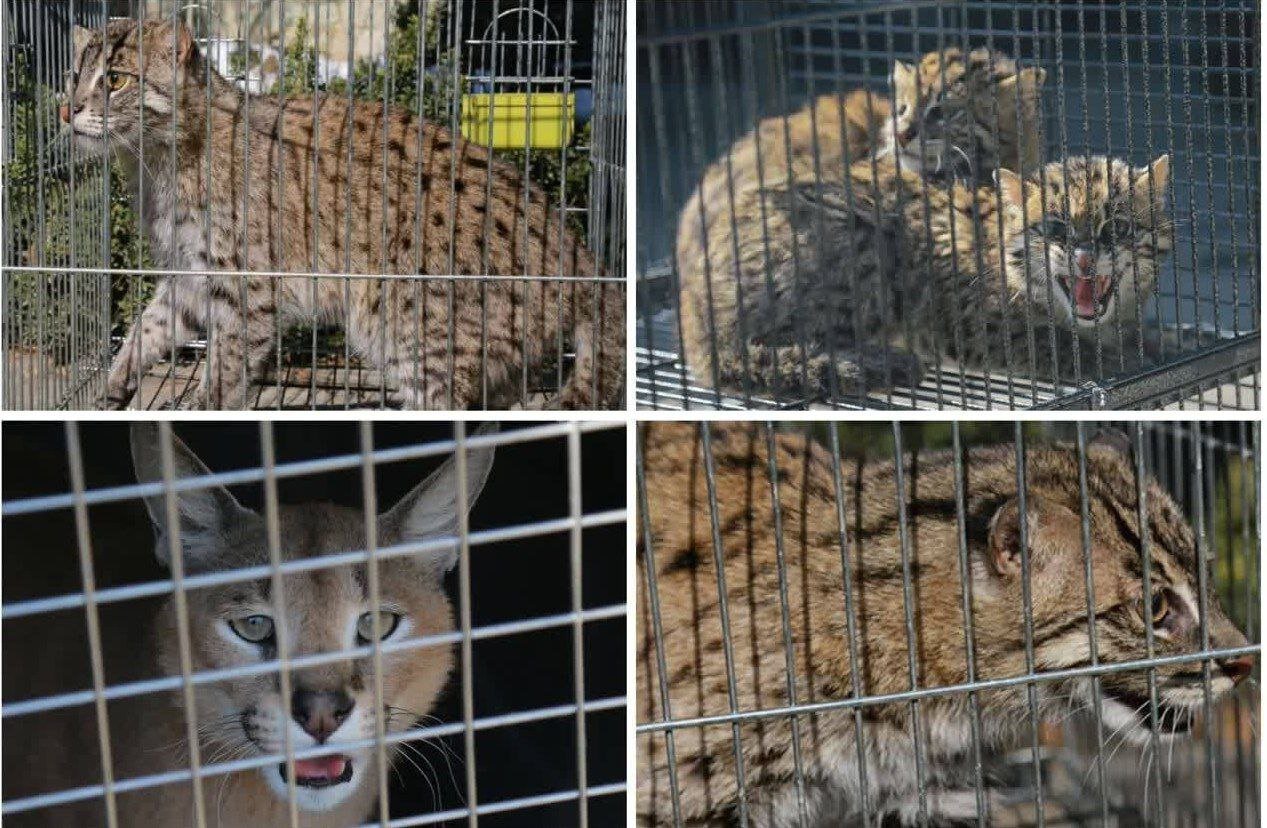
TEHRAN – The Ministry of the Environment (DOE) has established a working group to monitor wildlife cybercrime and combat illegal wildlife trade, a DOE official said.
Wildlife trafficking is the third most profitable crime after drug and weapons trafficking.
Research shows that 25% of species advertised for sale are listed as being prohibited in international trade by the International Trade Treaty of Endangered Species of Wild Fauna (CITES).
From lion cubs to birds such as pythons, salamanders, Persian squirrels, rhesus monkeys, falcons, bastards and sacred falcons, various types of hawks, invertebrates, native and non-native turtles, snakes, snakes and iguanas, the most common wild species are sold.
The DOE is working with experts in wildlife organizations to develop another plan to combat wildlife trafficking. This will be implemented nationwide once approved.
The main goal is to attract more attention to wildlife trafficking and deal with wildlife traffickers more resolutely.
Penalties increased to curb wildlife crimes
In 2024, the DOE increased penalties for wildlife crimes, blocked crime and increased conservation measures.
Crimes include illegal killing, fishing, or hunting of wildlife without permission. Penalties for these crimes vary based on the various biological values, population crisis, and the status of the endangered species, whether the species is at risk of extinction or not.
Penalties for hunting, capturing and destroying vegetation have increased from 20 million rials (approximately $20) to 102 million rials (approximately $1,004).
Hunting and fishing penalties between prohibited seasons and times, hunting and fishing using unauthorized equipment and methods, and destruction of water sources like fountains of animals in protected areas increased from 153 million rials ($156) to 366 million rials (nearly $313).
Hunting and fishing fines protect wildlife in protected areas and wildlife sanctuaries without a particular permit. Contaminates river water; lakes, protected wetlands. Hunting rare and endangered wildlife. Hunting in national parks; hunt or kill wild animals using venom and explosives. By taking action to pollute the Caspian Sea, the Persian Gulf and the Oman Sea with non-petroleum materials, it raised 204 million rials ($208) to 340 million rials ($346) and 408 million rials ($416) to 578 million rials ($590).
mt/mg