
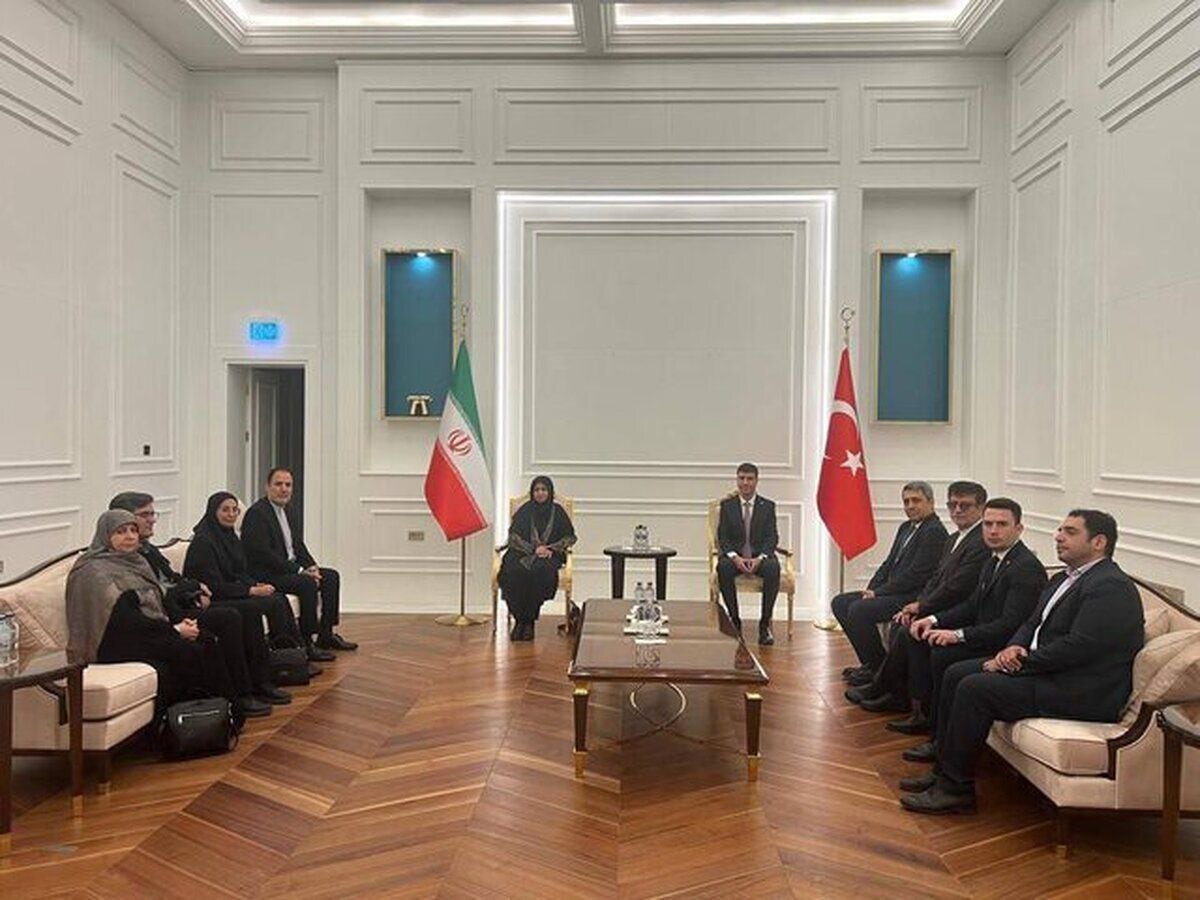
TEHRAN – A delegation led by Environment Ministry Secretary Shina Ansari is participating in the Global Zero Waste Forum to be held in Istanbul from October 17th to 19th.
Organized by the Zero Waste Foundation and Turkish ministries, the forum is themed “People, Place and Progress”.
The three-day event will focus on a variety of themes including translating policy into concrete action, scaling up effective solutions, mobilizing financial resources and building strong international coalitions to tackle the global waste problem.
This forum will provide a great opportunity to strengthen environmental exchanges between Iran and other countries.
waste management
One of the country’s most serious environmental problems is the improper management of all municipal, domestic, industrial, hospital, and hazardous wastes, which causes environmental pollution and adversely affects the quality and quantity of biological resources (water, soil, and air), causing huge losses every year.
To that end, DOE is working with the ministries of industry, energy, petroleum, agriculture, and health to develop a national strategic plan for waste management.
The plan will focus on modifying production and consumption patterns, minimizing waste generation and promoting waste segregation at source.
Large-scale industries such as cement and steel require the use of solid fuels to meet some of their energy demands, especially during peak periods.
The Ministry of Energy must also guarantee the purchase of electricity generated from waste, and the Ministry of Petroleum must guarantee the issuance of licenses to purchase or sell liquid fuels generated from waste.
In addition, the Ministry of Agriculture must ensure the purchase of organic fertilizers made from recycled waste.
According to DOE official Mehdi Khadem Sameni, the country’s mismanagement of waste costs the environment and natural resources 870 trillion rials (approximately $791 million) annually.
IRNA said approximately 445,000 tons of urban, rural, medical, agricultural and industrial waste is generated per day, equivalent to 164 million tons per year, leading to land, water and air pollution, Mehdi Khadem-Sameni said.
The official said he regretted that the waste management methods currently used in the country were outdated and that up to 80 per cent of waste that could be recycled and repurposed was discarded.
“Of the approximately 600 waste management centers across the country, only four or five are standardized. In other words, approximately 96 percent of waste ends up in landfills.”
MT/MG