
Tehran – At least 37 people have been killed in the latest wave of sectarian violence in war-torn Syria.
More than 100 other people were injured in a violent clash in southern Syria.
It is primarily between members of the Druze community and government-related Bedouins.
According to the Syrian Human Rights Observatory, the battle erupted in Al Maks district, east of Sweida city and its surrounding area. Among the victims were 27 druzes, two of them and 10 Bedouins.
The violence reportedly began when Bedouin fighters established a checkpoint on the Damascus Suweda Highway, where they took the young Druze man and attacked him brutally.
The incident caused a cycle of retaliatory accrual, attacks and road closures, escalating local tensions.
Syrian Home Ministry has expressed “deep concern” about what is called “armed conflicts,” noting that early numbers show more than 30 deaths and nearly 100 injuries.
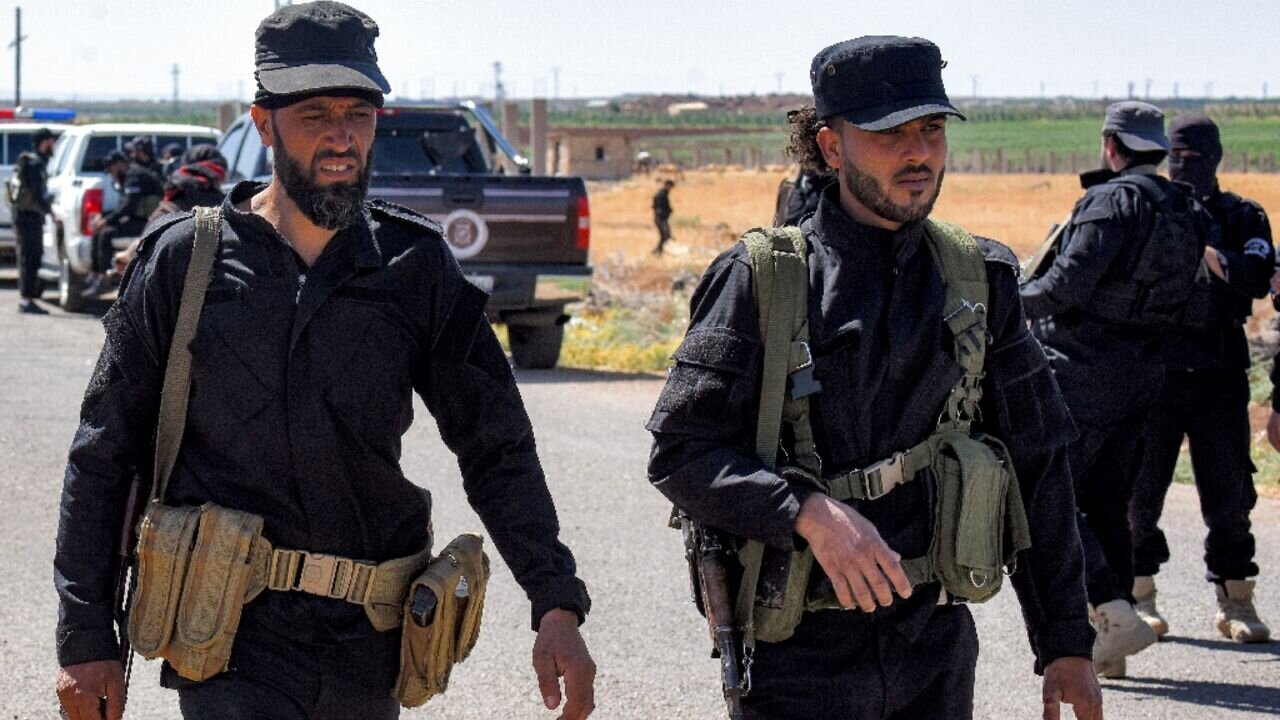
In cooperation with the Ministry of Defense, security forces began to step in to restore order, arrest the responsible persons and introduce the judiciary.
Sana, a state communications agency, reported that several Syrian army personnel were killed during the clash.
Violence has shown the most severe outbreak since similar conflicts in April and May.
Local news outlet Suwayda 24 cited medical sources that reported that both machine guns and mortars were used in combat.
The main Damascus-Suweda Highway has been closed, indicating a deterioration in the security environment.
Videos circulating on social media show militants pledging support for the Bedouin and sending reinforcements to the frontline.
In response to the violence, Sweda Governor Mustafa al-Bakkor called for “control, reason, dialogue” and declared that the state “does not tolerate threats to citizen security.”
The Druze spiritual leader reflected these feelings and urged the Damascus government to step in immediately to protect civilians and prevent further escalation.
Current uncertainty follows a wave of similar violence earlier this year when the clashes that began near Damascus spread to Sweida, eventually killing at least 119 people, including Druze fighters and government security personnel.
In the aftermath, the elders of the Druze and representatives of the Syrian government brokered a temporary ceasefire agreement aimed at reducing tensions.
The Israeli regime, which occupied Golan Heights from 1967 and annexed unilaterally in 1981, launched airstrikes and warned Damascus against the harm of the Deleuze community.
Experts say the regime used the presence of the Golan Heights Druze as an excuse to entrench illegal occupation in southern Syria.
On Monday, Syrian Home Affairs Ministry announced that its forces would begin direct intervention in Sweida to quell the violence. The Ministry of Defense reportedly sent large reinforcements to the area. Local news sources say the armed group controls the village of Al Surrer in rural Sweda, prompting a wave of civilian movement.
Artillery and gunfire continue in several areas, promoting fear of wider sectarian conflict.
Since the collapse of Bashar al-Assad government, Syria has witnessed a cycle of deadly violence rooted in sectarian divisions, furthering the country’s instability.
In one of the most shocking episodes, Syrian government forces were accused of massacring thousands of Alawian civilians in March. This is a tragedy that was condemned as a war crime by international human rights groups.
As violence escalates, the Syrian government is calling for a more inclusive approach by incorporating representatives of the country’s diverse ethnic and religious communities into its political and security system.