
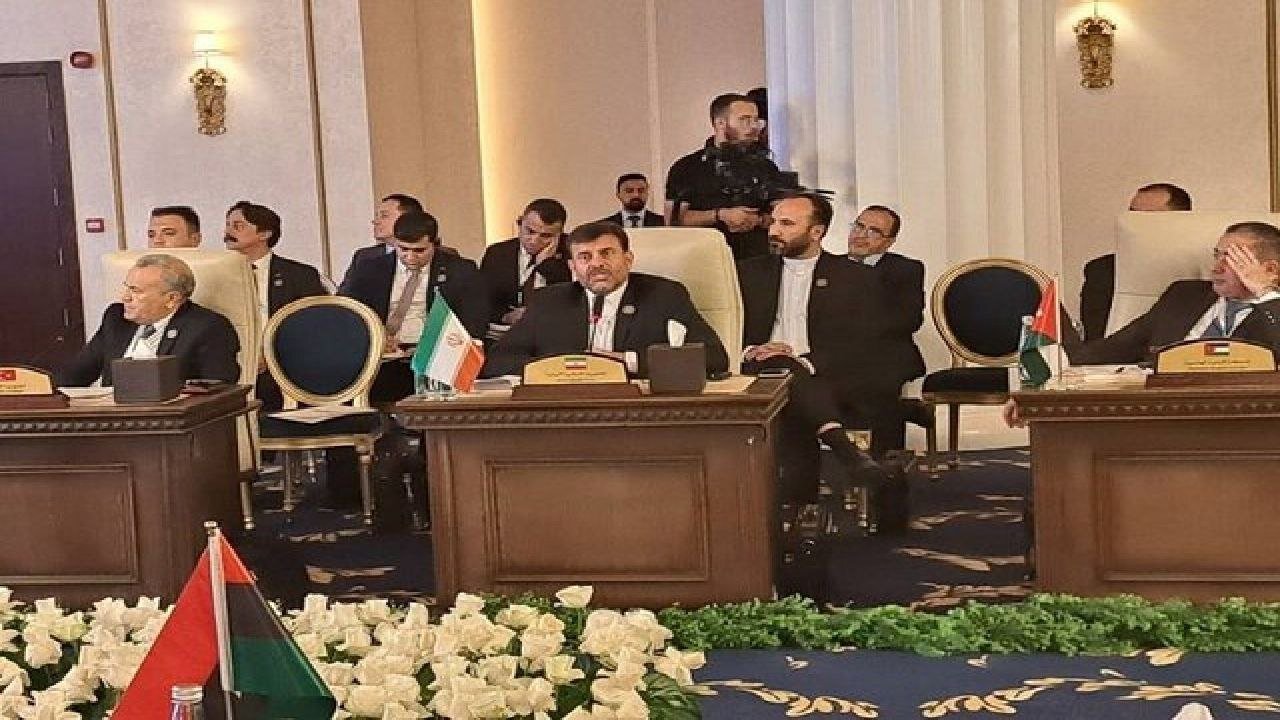
TEHRAN – A delegation of senior police officials led by Iran’s anti-narcotics police chief Iraj Kakavand participated in the Third International Conference on Combating Drugs, held in Baghdad, Iraq, on December 7th and 8th.
The conference, which will be held under the theme “Working together to fight drugs,” will bring together delegations from countries such as Iran, Pakistan, Turkey, Jordan, Syria, Lebanon, Libya, the United Arab Emirates, and Kuwait.
The delegation also plans to brief Iran’s measures in the fight against drugs and participate in bilateral meetings during the two-day event.
Iran and Iraq sign memorandum of understanding
In September, Iranian and Iraqi officials signed a memorandum of understanding to foster cooperative efforts in the fight against illicit drugs.
The memorandum of understanding was signed during the second joint meeting of the Task Force on Narcotic Drugs and Psychotropic Substances in Baghdad on September 11.
Brigadier General Hossein Zolfakari, Secretary-General of the Drug Control Headquarters (DCHQ), participated in the second meeting at the invitation of Iraq’s Minister of Health Saleh Al-Hasnawi, who is also the Chairman of Iraq’s Supreme Committee for Counter-Narcotics.
The memorandum focuses on measures to improve training, empowerment, security and technical skills.
Strengthening border security, empowering law enforcement agencies through cross-training workshops, developing scientific capacity of experts in demand reduction, prevention, treatment and empowerment, exchange of joint activities, and strengthening the monitoring of psychotropic drugs and chemical precursors under international supervision to prevent their use in the illegal production of drugs are among the main goals of the agreement.
On Wednesday, Mr. Zolfakari and Iraq’s Interior Minister Abdul Amir Al Shammari met and highlighted their countries’ efforts to combat drugs as one of the greatest social and security challenges of our time.
This ominous phenomenon targets national security and society, especially the health of young people, and the economic stability of both countries. Our shared geography should be a source of prosperity and progress,” IRNA quoted Zolfakari as saying.
Elaborating on early achievements in the war on drugs, he said, “The sharing of information and expertise on drugs has paved the way for effective countermeasures. But our common enemy is sophisticated, armed and equipped with the latest technological means. Therefore, these early successes should not detract from our efforts to address the broader aspects of the threat.”
The official went on to propose the establishment of a joint border security operations center with liaison officers from both countries to enable real-time exchange of information and better coordinate joint missions.
He also expressed Iran’s readiness to hold specialized training courses for anti-drug police in both Iran and Iraq on the latest strategies to detect and combat organized smuggling and money laundering.
The establishment of a legal subcommittee was also a proposal from the Iranian side. The objective is to identify and freeze the assets of smuggling networks operating in both countries, as well as to facilitate and expedite coordination in the field of judicial laws and protocols.
Collaborative efforts in the fight against drugs should not be limited to land borders. Cooperation in monitoring drug trafficking at air borders, cyberspace and social networks will have a major impact on smugglers.
MT/MG