
TEHRAN — Recognized as one of the world’s best tourist villages by the United Nations Tourism Organization, Esfahak is a symbol of cultural heritage and rural sustainable development, said Seyyed Ahmad Balabadi of the South Khorasan Cultural Heritage, Tourism and Handicrafts Department.
Referring to the anniversary of Esfahak’s inscription as a World Heritage Site, the prime minister said, according to IRIB news agency, that this measure demonstrates the authenticity, integrity, indigenous architecture and continuity of cultural life of Esfahak village, which makes it a unique symbol of sustainable habitability in the desert.
He added that this success is the result of the concerted efforts of the people, officials, experts, researchers and tourism activists, who have played a role in preserving Isfahan’s historical identity by adhering to the principles of conservation, authenticity-based restoration and ethnographic research.
Balabadi said that today Isfahan is not only a responsible tourist destination, but also a successful model of sustainable rural development, linking cultural heritage, local ecosystems and livelihoods of host communities.
He expressed hope that with consistent planning and sustainable tourism infrastructure development, Isfahan’s global status will be transformed into effective cultural and economic opportunities for the region. He appreciated all efforts made in this direction.
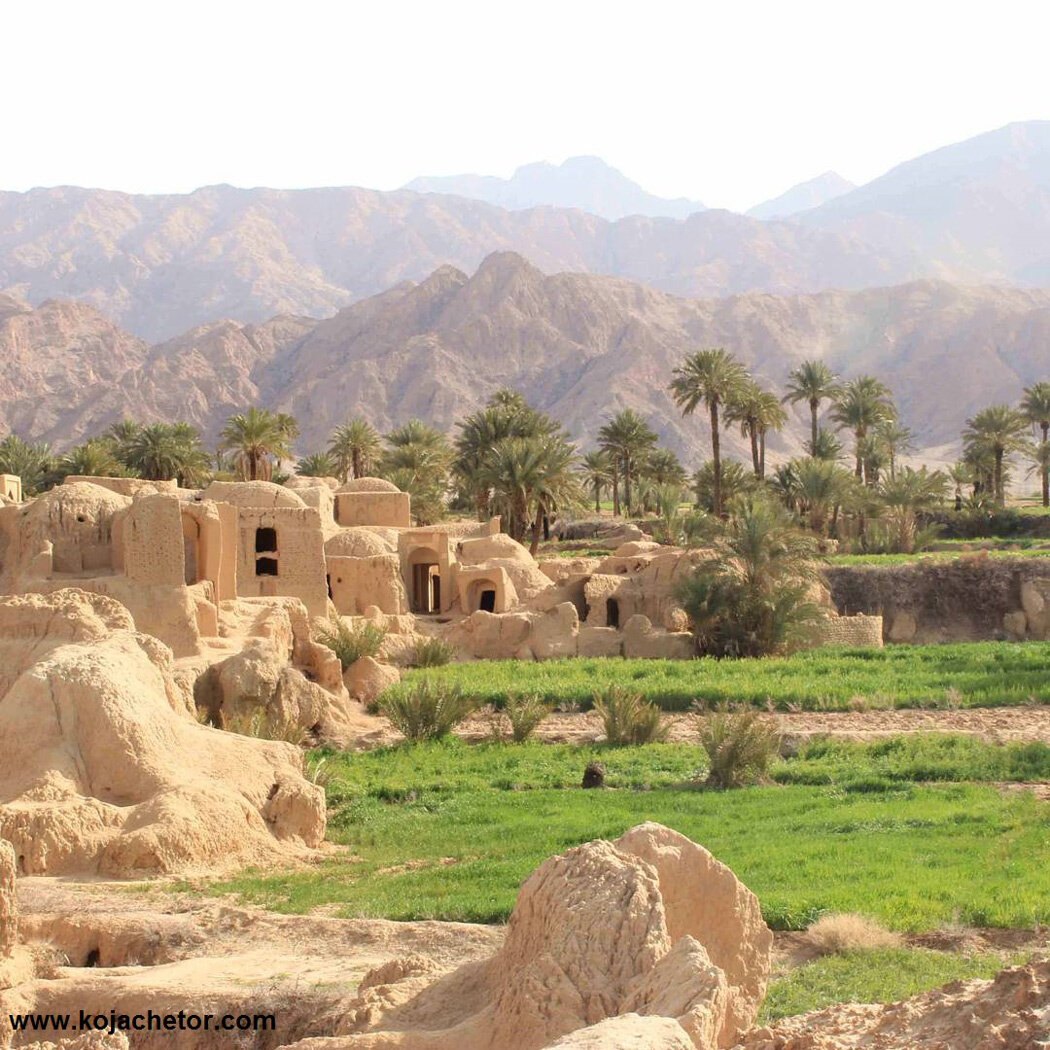
Esfahak village is one of the beautiful tourist attractions located 38 kilometers away from Tabas city in South Khorasan province. This desert and historic village with traditional architecture and adobe and mud houses is considered one of the historical and cultural regions of Iran due to its ancient texture and special architecture.
The village has attracted international attention for its sustainable reconstruction and architectural preservation efforts. The nomination dossier for global recognition included extensive scientific research carried out by EMC, which played a key role in winning the UNESCO research quota.
UNESCO’s research commissions promote higher education and collaborative knowledge production around the world in fields such as education, science and culture. Each chair is established within a university or research institution for a renewable four-year term and must include distinguished academic leaders, researchers, faculty, and students who collaborate in a specialized field of research.
Last year, Esfahak was named one of the best tourist villages of 2024 by the United Nations Tourism Organization. Additionally, the village won the TO-DO Award in 2020. This award is awarded annually by the German Institute for Tourism Development.
Severely damaged by the 1978 earthquake that struck Tabas, Esfahak was at one time deemed uninhabitable, with residents living in temporary tents. They then built makeshift wooden rooms known as otag-e-chobi (wooden rooms) to rebuild their lives.
Committed to sustainability and cultural preservation, villagers have been rebuilding their communities over the years, developing ecolodges and restoring traditional homes using ancient adobe techniques.
Esfahak has been transformed into a cultural and ecotourism destination, and its unique architecture and sustainable practices have attracted attention, with the village winning the prestigious Asian Architecture Award. Today, it attracts tourists from all over the world, drawn to its picturesque adobe structures and efforts to preserve local identity.
Since 2021, the Best Tourism Villages initiative has aimed to promote sustainable tourism in rural areas, with a focus on the preservation of indigenous lifestyles, including natural landscapes, cultural heritage, gastronomy and local values.
KD