
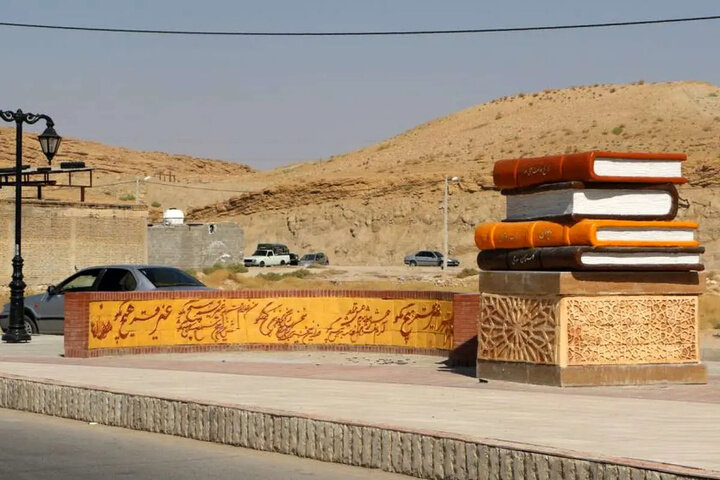
TEHRAN — In a climate scarce in water but rich in intellectual and social assets, the city of Evaz in the southern province of Fars has earned the title of “Iran’s Book Capital” and has become the center of Iran’s cultural vision. This choice, officially decided by hosting the opening ceremony of the 33rd Iranian Reading Week, marks the city’s flourishing cultural potential and the beginning of a new chapter in literary tourism.
According to Milas Aria (CHTN), Evas’ appointment was no coincidence. The city has built its own special status over the years, relying on a unique model of public participation and cultural management that comes from the heart of the community. Fars Governor Hossein Ali Amiri described Evaz as a symbol of wisdom, culture and interest in science. The city has long been known for its seminary, active library, prominent scholars and thinkers, and has a deeply rooted written culture.
As the Minister of Culture and Islamic Guidance said, Evaz is a national model for social participation in culture.
Evas’ long tradition of philanthropy is not limited to building schools and hospitals. Developing libraries, supporting cultural projects and social investment in the field of reading are among the priorities of the people here.
A well-stocked library, an active literary society, and the presence of a younger generation in cultural activities provided the basis for Evas to take a naturally deserved place in the competition for book capital.
The title of Iran’s capital of books has served as a powerful driving force for Evaz, and its effects are currently visible in the city’s cultural tourism.
Tourism in Fars Province used to be centered around Shiraz and its historical monuments, but now Evaz, the book capital of Iran, is establishing itself as a cultural brand. The title conveys a clear message to cultural tourists. It is an authentic, popular, book-centric destination located in southern Fars.
A tourism executive at the Governor General’s Office also mentioned this feature, saying that Evaz has a “geography with little water and a rich culture.”
This status has brought the development of Evaz’s tourism infrastructure to the attention of national and state agencies.
The most important results of this initiative include the development of ecotourism accommodation in the city’s historical houses with a literary approach, the flourishing of handicrafts and cultural products inspired by the written history of the region, the design of literary and historical tourism routes that include visits to libraries, cultural halls and prominent cultural centers, and the attraction of special and high-quality tourists.
Today, Evaz is a destination for cultural tourists, writers, poets, researchers and professional bookworms. These groups travel with purpose, stay in their destinations longer, and contribute more to the local economy. This trend was reinforced by the presence of the country’s cultural figures at the beginning of the reading week.
This title strengthened the people of Evas’ sense of belonging and social pride, and provided a platform to showcase the city’s little-known potential on a national level.
Evaz has great potential not only from a cultural perspective, but also from a social and architectural perspective.
The history of the Evaz people, their local architecture, rituals, and lifestyle is a strong foundation for forming a literary and cultural experience. The creation of an anthropological museum, the launch of a book cafe, and the revitalization of historic homes for cultural use are among the programs that can deepen this bond.
The large and influential Evaz community residing in the Persian Gulf littoral states is a strategic opportunity to promote inbound tourism and develop regional cultural diplomacy.
Despite this great opportunity, Eva’s needs to address some shortcomings in order to gain the desired position in the cultural tourism field.
Local officials say Evas faces shortcomings in terms of increasing water supply capacity, creating two-way roads and establishing a well-equipped medical center. Addressing these shortcomings is essential for tourism development.
KD