
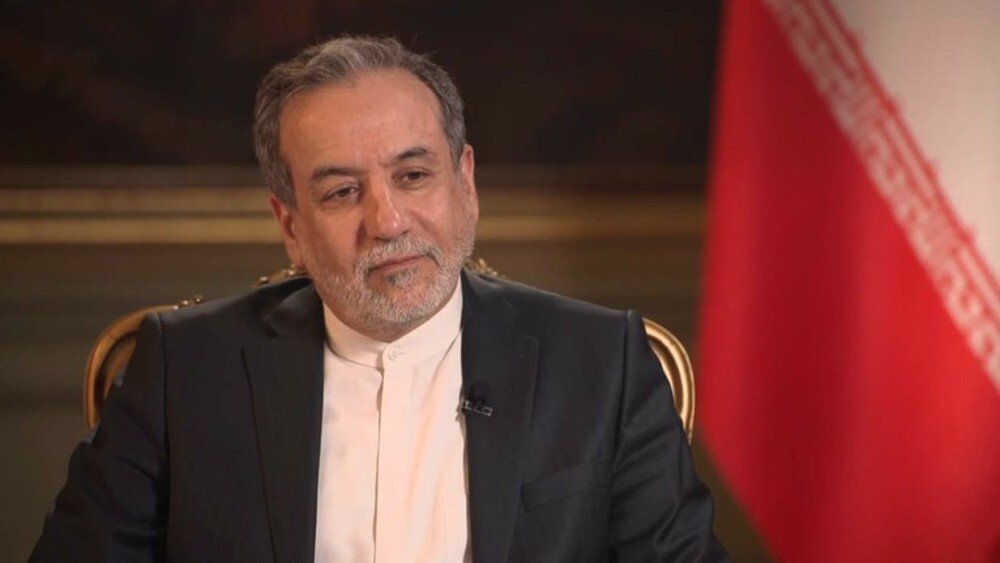
Abbas Araghchi made comments in a recent interview with the Financial Times (FT).
He emphasized to the FT that “the road to negotiation is narrow” as he sets terms for new post-war diplomacy.
The US must agree to compensate Iran for losses that occurred during the war last month, the Islamic Republic’s foreign minister said Tehran is strengthening its position and imposing new conditions for it to resume nuclear talks with the Trump administration.
The minister further said Iran does not agree to “normal business” after a 12-day conflict with Iran.
“They need to explain why they attacked us in the middle of negotiations, and they must ensure that they will not repeat it (during future lectures),” he said in an interview in Tehran. “And they have to compensate for the damages they have done.”
Araguchi, Iran’s chief nuclear negotiator, said he and US envoy Steve Witkov had exchanged messages with each other during and since the war, saying that Iranians needed a “good solution for both sides” to resolve long-standing standoffs to Iran’s nuclear program.
“The road to negotiation is narrow, but that’s not impossible. If we go to negotiation, we need to convince my class that the other side is bringing real resolve for a deal that is beneficial to both sides,” he said.
Aragut said Witkov tried to convince him that it was possible and proposed consultations to resume. However, the veteran Iranian diplomat added, “We need real confidence building measures from their side.”
He said this should include financial compensation without giving details, and there is a guarantee that Iran will not be attacked again during negotiations.
“My message (to Witkov) is not that complicated,” Araguchi said. “The recent attacks proved that there is no military solution to Iran’s nuclear program, but said that a negotiated solution could be found.”
Araguchi said the third new enrichment plant near Isfahan – Tehran had a few days before he said it would be activated in response to accusations by the International Atomic Energy Agency’s Governor’s Committee – was also attacked.
“As far as I know, the preparation was done (for enrichment), but it was not active when it was attacked,” Araguchi said.
In signs of the challenges facing a reopening of diplomacy, he said the war has encouraged increased resistance to negotiations within Iran’s ruling party.
The minister argued that the Islamic Republic would commit to a peaceful civilian programme and not change its doctrine and would comply with the two-year old fatwa issued by Ayatollah Ali Khamenei, which banned the development of nuclear weapons.
However, Araguchi said the war only deepened the distrust of US President Donald Trump. President Donald Trump waived the 2015 contract that Iran signed with the Obama administration and other world powers during his first term.
“There are very high negative feelings,” Araguchi said. “People are telling me, ‘Don’t waste your time anymore, don’t be fooled by them… If they come to negotiate, it’s just a cover-up of their other intentions.”
Araguchi said there will be no deals as long as Trump requires Iran to agree to enrichment, but Washington should address that concern through negotiations.
“We can negotiate, they can present their arguments, they will present our own arguments,” Araguchi said. “But there’s zero concentration and we have nothing.”
Araguchi clashed with a 2015 agreement, signatories from the UK, France, Germany and Europe. They warned that if Tehran resumes negotiations with Washington and does not resume cooperation with the IAEA, it would trigger a “snapback” mechanism to reinstate UN sanctions at the end of August.
Araguchi said that if Tehran ends talks with European powers, he will accuse them of failing to meet their commitments under the 2015 agreement if they do so.
“There’s no reason to negotiate with the Europeans because they can’t lift the sanctions. They can’t do anything,” he said. “If they’re going to snap back, that means it’s the end of the road for them.”
MNA