
Bali (Indonesia) – A familiar tour of Bali, with many Iranian journalists and social media influencers taking part in Bali’s recently preserved media, was a journey to discover the authentic faces of the country’s culture and nature.
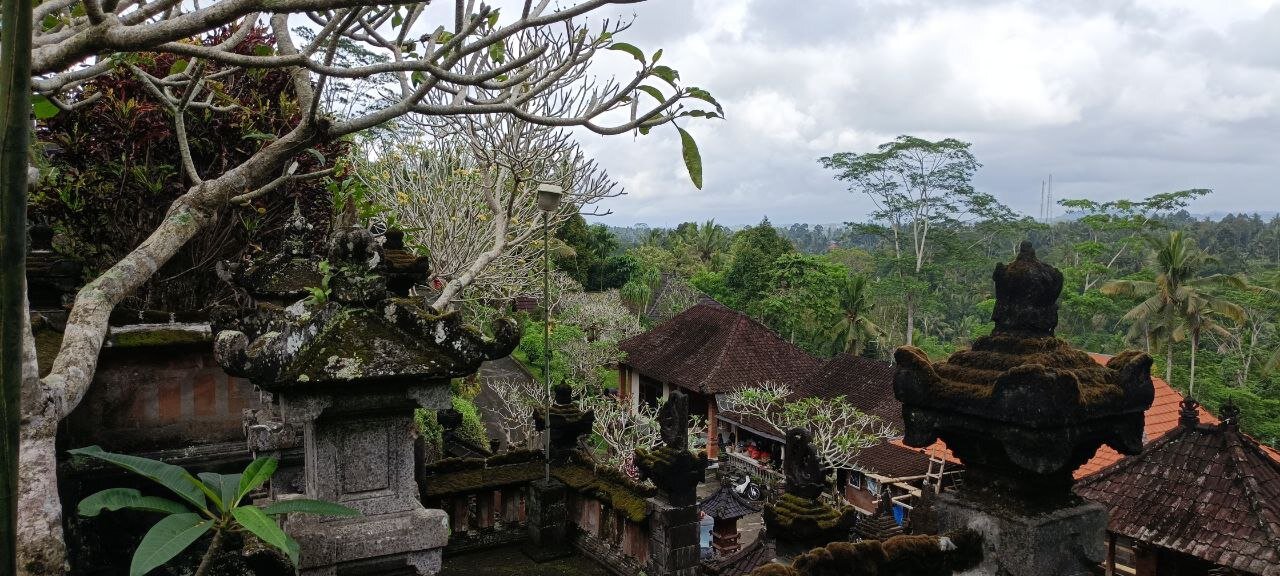
The first day began with a visit to temples and village homes in Bali, a famous Indonesian province where traditional architecture and religious rituals play a central role in everyday life.
The group then explored rice and coffee farms, the grandeur of Tegeunungan Waterfalls, the tranquility of Lake Batur, and panoramic views of Kintamani village. Each stop offered a rare combination of culture and nature, creating a sense of connection with the Balinese spirit.
When I step into a Bali terrace, I feel like I’m stepping into a living green canvas in countless shades. These fields, like the carpets that stretch between the earth and the sky, offer centuries that have shaped the island’s cultural identity as well as the staple foods.
The morning air was refreshingly cooled from the mountains, setting a rhythm that refreshed the spirits and soothe the calm sounds of the water.
Our local guide explained that rice cultivation in Bali is not only agriculture, but also a sacred tradition. Bali believes in the rice goddess who bless and protect the harvest. This respect preserves the island’s ancient irrigation system, a UNESCO World Heritage Site, and shows how people and nature can live in harmony.
Walking along the terrace, every step revealed a new perspective. The farmers laughed warmly at us as if they were proud to plough with cow-drawn plows, then transplant the seedlings and host distant guests. The smell of wet soil and freshly cut stems produced unexpected mildness. Drinking coconut water in the field has become an unforgettable part of the experience.
Lunch was served in a rustic village restaurant. There, fresh Balinese rice was served with tropical fruits and aromatic spices. The taste revealed the richness of the island’s cuisine, but the unfamiliar taste may challenge some visitors.
For us, Rice Terrace was more than a tourist attraction. They were a deep encounter with the way that land, culture and spirituality were interwoven in Bali.
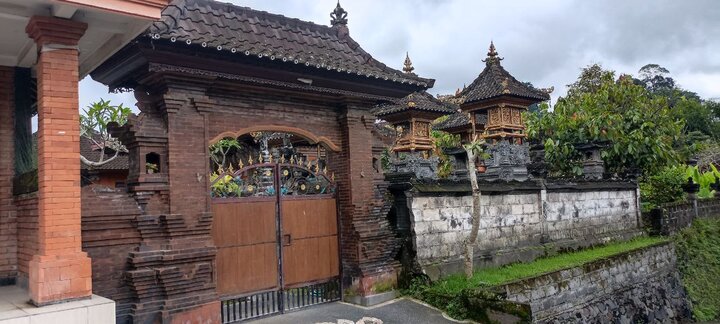
Our next destination was Quintamani, a highland village with breathtaking views of Mount and Lake Batur. The cool mountain air greeted us on arrival, and the narrow streets lined with that roofed houses reflected traditional Balinese life.
The locals welcomed us with warm smiles. In the small market, villagers sold fresh produce, handicrafts and spices. The guide explained that the market was held at about 5am with morning prayers, marking the start of the day. The brightly colored clothing and spice scent created an energetic atmosphere.
Quintamani is famous for its view. Visitors frequently paused to photograph the camera landscape. The temple, decorated with carved stones and wood, was testified to the strong religious traditions of the villagers. Rituals and festivals still revolve around these sacred places.
By the time we left, the daytime sun was high, the humidity, cool breezes and the occasional sounds of passing the bike into the village rhythms were fused.
Visiting a coffee farm in Bali felt like it was going back in time. The air was brought with its wet earth scent, rainy leaves and ripe coffee cherries. The shiny green tree has clusters of red berries that sparkle like ruby.
Our guide explained that Bali coffee is not only a crop, but also a way of life. Generations of farmers have grown trees with patience and respect. We saw the villagers’ harvest and hand-shattered the beans.
After observing drying, roasting and grinding, we sampled a variety of flavors, including vanilla, chocolate, coconut coffee, and local herbal tea. The first bite was a deep, earthy taste with a pleasant bitterness, unlike the coffee we tried before.
As the rain lightly fell, overlooking the forest and the distant mountains, we sipped our fresh brew, carrying the aroma of roasted beans. It was more than a farm visit. It felt like each cup told the story of land, labor and enduring culture.
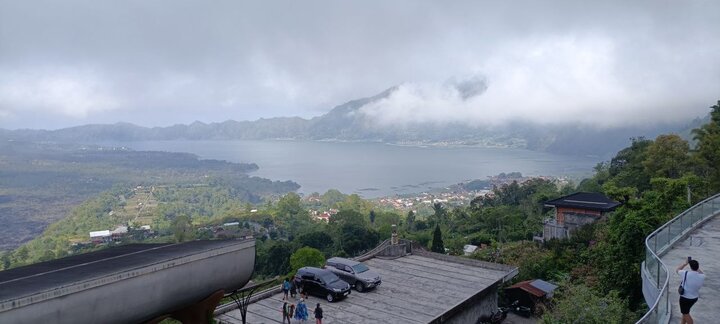
By the afternoon, we headed to Lake Batur in light rain and prolonged mountain mist. The lake, located inside the crater of Mount Batur, sparkled like a mirror, reflecting the shades of gray and blue.
Our guide pointed out its important role as a major source of water for the surrounding fields and as a centre of traditional fishing. The volcanic soils of Mount Batur enrich agriculture despite the history of the eruption, symbolizing the balance between danger and life, and fire and water.
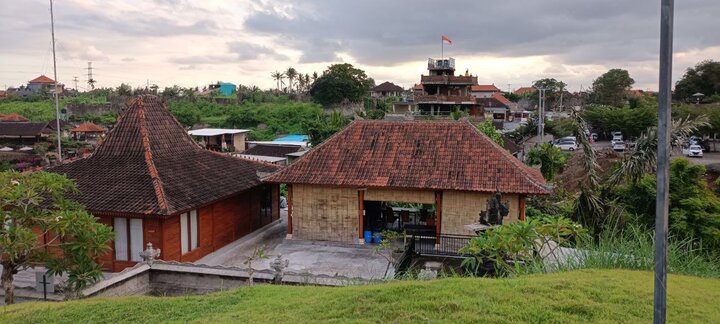
Around the lake, vendors and small markets catered to visitors, adding familiar local commerce. But the lake was more than a destination. It reminded me of the power and beauty of nature.
The Taegenungan Falls is our next destination, where we have heard beforehand echoing through the forest. The trail is wrapped between lush trees, and the humidity gets thicker as we approach.
Tourists crowded the area, some swimming in muddy waters, others sat down to see and see on the rocks. The sound of the waterfall owned everything else, leaving only a sense of freedom.
Our guide explained that the accessibility of this site has become one of the most popular waterfalls in Bali, which locals have visited for rituals, as water is considered sacred.
Media tours were part of Indonesia’s cultural diplomacy. Starting September 14, a delegation of Iranian media representatives and social media influencers was held to commemorate the 75th anniversary of diplomatic relations between the two countries.
morning