
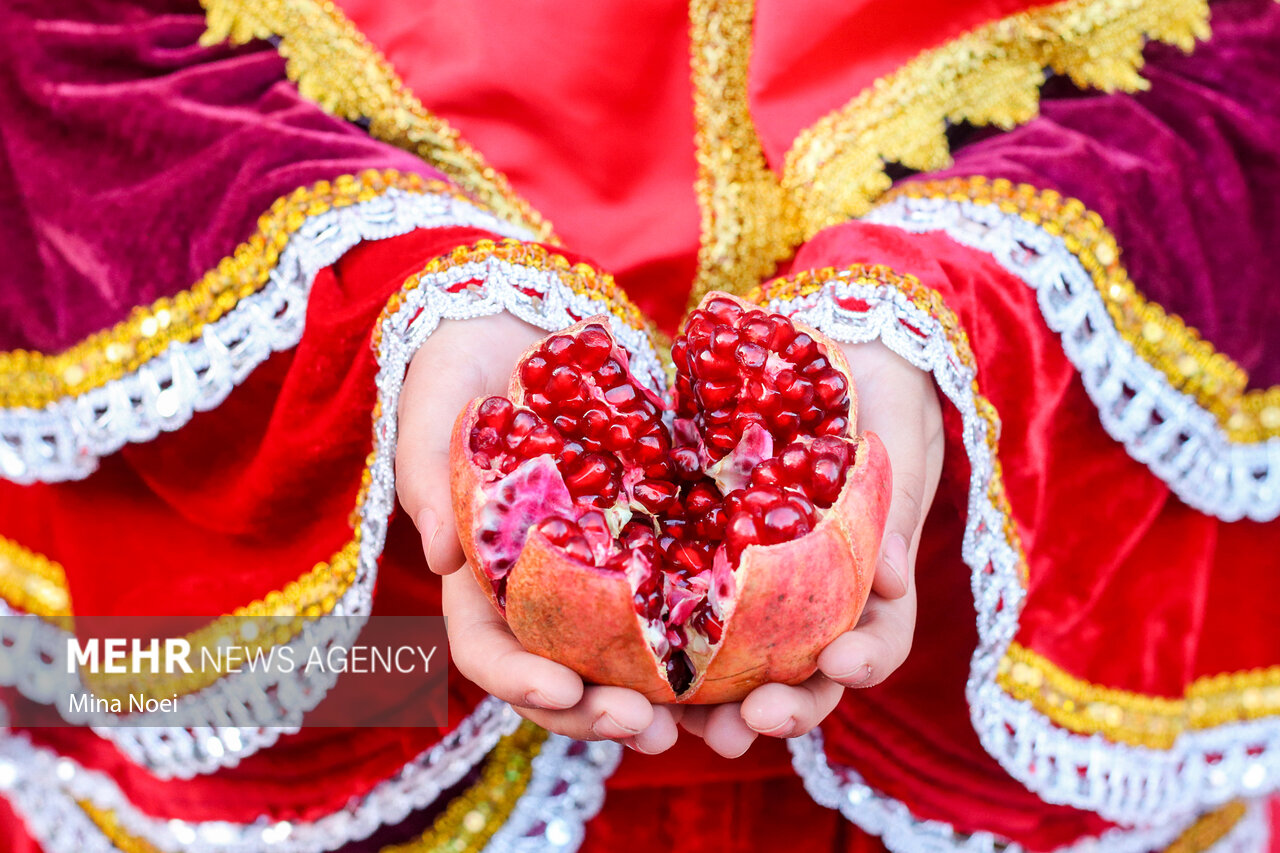
In the midst of autumn, as the air crisps and autumn leaves paint the streets amber, Iran celebrates the pomegranate, a fruit woven into the fabric of its culture. This small ruby-red treasure, known as ‘Anar’ in Persian, is more than just a fruit, it is a symbol of richness, beauty and tradition, cherished across generations and regions of the country. Every October, families, markets and festivals pay homage to its presence, filling the home with its scent and color.
Walking through the local bazaar on this day, you can feel the intertwined pulse of history and culture in every stall. Farmers will display glistening pomegranates harvested from orchards in different parts of the country, and vendors will share stories of ancient cultivation methods passed down through the centuries. Encased in a leathery crimson shell, the fruit’s delicate seeds have long inspired poets, artists, and chefs alike, appearing in literary, pictorial, and culinary traditions as a reminder of the sweetness and resilience of life.

Beyond their beauty, these fruits support local livelihoods, global trade, and amazing modern science, from cancer diagnosis to environmentally friendly pest control. This report traces Iran’s pomegranate from orchard to table, revealing how the ancient fruit is shaping a modern nation. ”
Cultural and literary importance of pomegranate in Iran
Pomegranates have held a special place in Iranian culture for centuries, appearing in rituals, celebrations, and daily life as a symbol of fertility, prosperity, and divine blessings. It often appears on tables from traditional weddings to Yalda Night (the longest night of the year), and its seeds represent the promise of life, abundance, and rebirth. In rural villages, families are often seen carefully harvesting fruit together, preserving a tradition that connects generations through both work and celebration.

In Persian literature, the pomegranate is more than just a fruit. It is a poetic emblem. Classical poets such as Hafez and Saadi frequently cited the pomegranate’s bright red seeds and its sweet, tangy juice as metaphors for love, beauty, and the hidden treasures of the human heart. It is also a recurring motif in Persian miniature paintings and stories, expressing the hidden depth, vitality, and interconnectedness of nature and human emotions. The image of a pomegranate opening to reveal its myriad seeds reflects the literary exploration of the many layers of life, making it a favorite symbol across centuries of Persian art and writing.
Pomegranate in Iranian cuisine
In Iranian kitchens, pomegranates are more than just a seasonal fruit, they are a symbol of flavor, color and tradition. Its tangy-sweet flavor and jewel-like seeds enrich a wide range of dishes, bringing both visual appeal and cultural meaning to any meal. From the daily family table to celebratory gatherings, the presence of pomegranate reflects Iran’s deep culinary traditions.
One of the most beloved uses of pomegranates is fesenjan, a slow-cooked stew made with walnuts and pomegranate molasses. The rich, nutty base and tangy sweetness of the pomegranate combine to create a complex, memorable flavor that is traditionally served with duck, chicken, or meatballs.

Another classic dish is zeitoun parvarde (marinated olives and pomegranate), a popular appetizer in northern Iran. This dish combines olives with pomegranate seeds, pomegranate paste, walnuts, and herbs for a perfect balance of acidity, sweetness, and flavor.
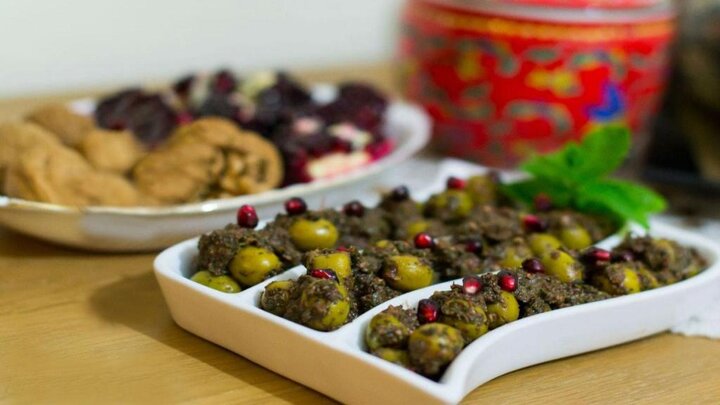
Pomegranates are also used in salads, rice dishes, and sauces. Its seeds add freshness and color, and pomegranate juice and molasses add depth to stews and seasonings. Whether used in celebratory dishes like fesenjan or simple appetizers like zeitoun parvarde, the fruit’s versatility and vibrant flavor make it an important part of Iranian cuisine, which blends flavors and centuries-old traditions.
Pomegranate in Iranian handicrafts
The influence of pomegranate in Iran is not limited to the kitchen. Its unique shape, bright red color, and symbolic meaning have inspired generations of Iranian artisans and appear in a variety of traditional crafts. From miniature paintings and pottery to textiles and metalwork, pomegranates are often used as a motif of fertility, abundance, and beauty.
Persian miniature paintings depict pomegranates in garden scenes, wedding celebrations, and festival gatherings, highlighting the fruit’s cultural importance. Similarly, in the field of ceramics and pottery, artisans paint and carve pomegranates on vases, plates, and decorative tiles, blending natural elegance with artistic craftsmanship. These pieces often depict intricate patterns that reflect both the shape of the fruit and the cultural stories surrounding it.
The textile is also marked with a pomegranate motif. In Persian rugs and embroidery, pomegranates appear in repeating patterns and as central symbols, symbolizing prosperity and life. Jewelry makers incorporate the pomegranate shape into pendants and charms, preserving the fruit’s symbolism in wearable art. Across these crafts, the pomegranate is more than just a decoration, it embodies centuries of cultural identity and connects everyday life with Iran’s rich heritage.

Pomegranate and Yalda Night
The pomegranate’s most symbolic appearance in Iranian culture is on the night of Yalda, the longest night of the year, celebrated on the winter solstice. Families come together to celebrate the occasion with poems, stories, and seasonal fruits, with pomegranates being the star. The fruit’s crimson seeds symbolize life, warmth, and the brilliance of the sun during the darkest times of the year.

During Yalda, pomegranates are often served whole, sliced, or as part of special dishes and desserts. Its presence is more than just decoration. They are symbols of hope and rebirth, reminding families that the light is returning and the days are gradually getting longer. In many homes, pomegranates are arranged alongside watermelons, nuts, and other fruits to form a vibrant, festive display that captivates both the eyes and the taste buds.
Pomegranates in Yalda celebrations have a poetic and symbolic meaning beyond the table. Iranian poets have long associated this fruit with love, beauty, and fertility, making it a natural companion in their recitations of Hafez’s classic poetry and other Persian literary treasures. In this way, pomegranate enriches the Yalda night, interweaving cultural heritage, delicious cuisine and poetic traditions.
pomegranate festival in iran
Iran celebrates pomegranates not only at home and on Yalda night, but also through local festivals honoring this iconic fruit. These festivals are frequently held in pomegranate-producing areas such as Saveh, Yazd, and Beshar, and attract locals and tourists who want to experience pomegranates in all their forms. Visitors can taste fresh pomegranates, sample pomegranate-based dishes, and watch traditional performances that accompany the harvest season.

Each festival usually showcases different activities related to pomegranates. Farmers will showcase their best produce at fairs, artisans will present pomegranate-inspired crafts, and cooking demonstrations will showcase local recipes with pomegranate as a key ingredient. Besides food, festivals often include music, dance, and poetry readings, further emphasizing the cultural and historical importance of this fruit.

These events also serve as important opportunities to educate the public about the agricultural and nutritional values of pomegranates. Visitors will learn about traditional cultivation methods, the fruit’s seasonal cycle, and its uses in cooking, medicine, and craftsmanship. In doing so, the Pomegranate Festival becomes a vibrant celebration of Iran’s agricultural heritage and a reminder of the richness of the culture tied to this ancient fruit.

Pomegranate health benefits
In Iran, pomegranates have long been valued not only for their taste, but also for their nutritional and medicinal properties. Rich in antioxidants, vitamins, and minerals, this fruit supports heart health, strengthens the immune system, and aids digestion. Traditional Persian medicine also highlights pomegranates as a treatment for inflammation, hypertension, and fatigue, demonstrating a long-standing reputation for their healing powers.
Modern science supports many of these claims. Studies have shown that regular consumption of pomegranate juice and seeds can reduce cholesterol, improve blood circulation, and even help prevent certain types of cancer. The rich fiber content also promotes digestive health, and the rich vitamin C supports overall immunity. Beyond the physical benefits, the fruit’s bright color and flavor are thought to have mood-enhancing effects, making it a healthy and enjoyable addition to your diet.
In Iran, the incorporation of pomegranates into daily life, from eating fresh seeds to incorporating pomegranates into syrups and herbal remedies, reflects a culture that values the connection between food, health, and tradition.

Pomegranate export: from Iran to the world
Iran is one of the world’s leading producers of pomegranates, and several regions such as Yazd, Markazi, and Fars are known for their high-quality varieties. Beyond its cultural significance, this fruit has become an important economic asset, bringing Iranian flavors to international markets.
Every year, thousands of tons of fresh pomegranates, pomegranate juice, and even processed products such as pomegranate paste are exported to countries around the world. These exports not only generate revenue but also serve as cultural ambassadors that introduce global consumers to fruits that are deeply rooted in Iranian tradition.

Iranian exporters are increasingly focusing on sustainable cultivation, careful packaging, and quality certification that meets international standards. This will safely bring Iranian pomegranates, rich in both taste and tradition, from local orchards to tables around the world, highlighting the pomegranate’s dual role as a cultural symbol and a driver of economic growth.
Pomegranate: a heritage of culture and taste
From ancient poetry to festival traditions, from the kitchen to the artisan’s workshop, pomegranates hold a special place in Iranian culture. Its presence in literature, cuisine, crafts and festivals shows how a single fruit can embody centuries of history, creativity and social life.
Iranian cities, towns, and villages celebrate pomegranates in various ways to ensure that their cultural, culinary, and medicinal importance is passed down from generation to generation. While this report highlights important aspects of the pomegranate’s role, almost every region in Iran has its own traditions, cuisines, and stories centered around this iconic fruit. In this sense, the pomegranate is not just a fruit, but also a symbol of tradition, health, and the timeless spirit of Iranian culture.

Reported by Mohadese Pakhravan