
In June, Germany was one of the few countries, and perhaps the most vocal, to support Israel’s attacks on Iranian civilian, nuclear, and military facilities. During the conflict, the German chancellor defended Israel’s invasion, saying Israel was doing “dirty work” for the West, infuriating both Iranians and Germans.
Friedrich Merz also said he had been informed of the illegal attack in advance and argued that not attacking Iranians was not an “option” for Israelis, and that Israelis had the right to “defend themselves.” Israel carried out the attack, which it claimed was aimed at stopping Iran from developing nuclear weapons, killing more than 1,000 Iranians in the process.
But the International Atomic Energy Agency (IAEA) had found no evidence that Iran was moving toward a nuclear weapon – a fact reiterated just last week by Rafael Grossi, director-general of the UN nuclear watchdog. Israel’s decision to launch an all-out war against Iran brought the region to the brink of a conflagration that, if not contained, would have long-lasting effects not only on West Asia but also on the Western world. Germany was well aware of this fact when it supported this action.
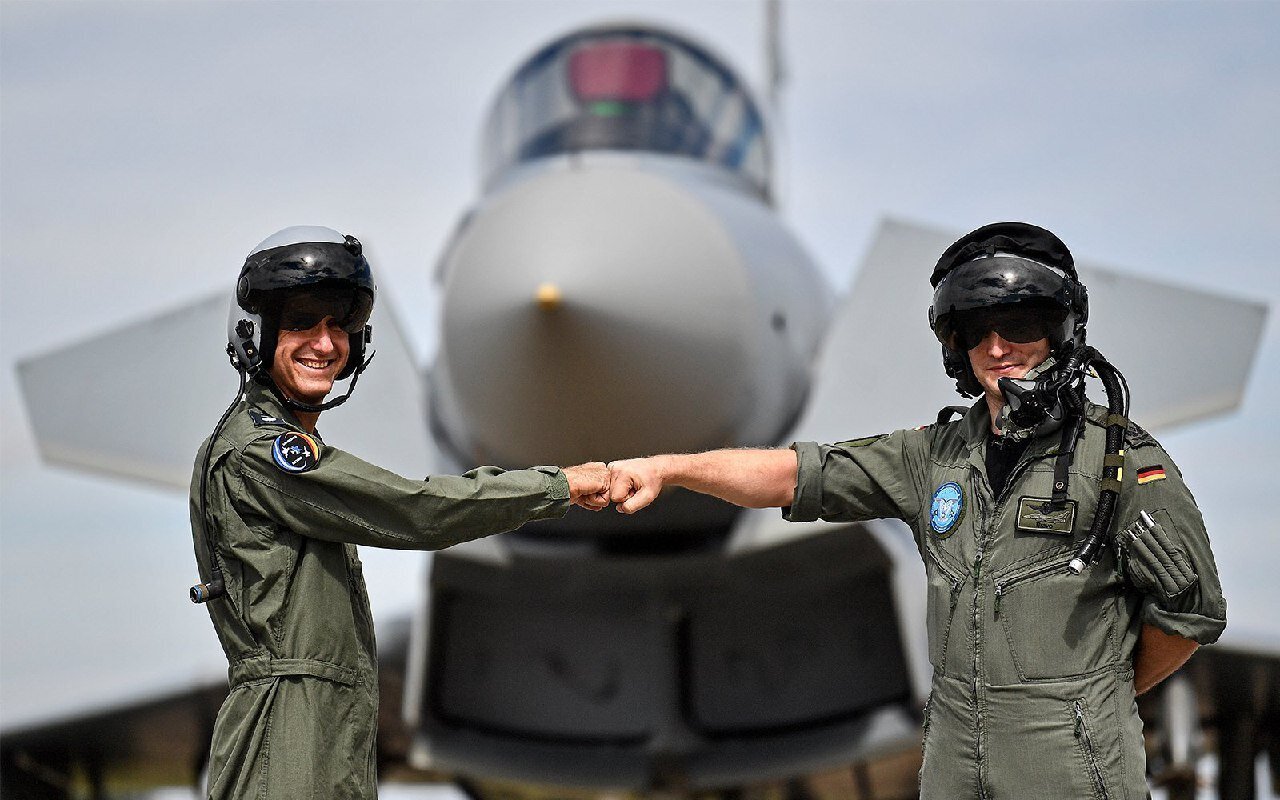
New information obtained by the Tehran Times reveals that Germany’s support for Israel during the 12-day war extended beyond political and diplomatic statements. Indeed, Berlin played an active role in helping Israel achieve its war goals by sending troops into the occupied territories.
An Israeli military official familiar with the matter told Iranian intelligence that a group of German troops was stationed in Israel at the regime’s request during the 12-day war. They participated in the military operation under an agreement that required Israel to keep Germany’s involvement secret. The agreement was made in secret between German and Israeli commanders, but was obtained by Iran.
Germany’s support for Israel marks the second time that it has joined forces with Iran’s aggressor. Berlin also supplied chemical weapons to Iraqi dictator Saddam Hussein, who used them during his invasion of Iran in the 1980s.
The Tehran Times understands that German forces received financial compensation for their services to Israel, but chose to leave the occupied territories immediately after the end of the war, despite initial promises. As the conflict escalated and Iran targeted several military and sensitive sites, the Israelis found the German military reluctant to continue its involvement.
According to a leaked Israeli assessment, the withdrawal of German troops has shaken the regime. But the Zionists were happy that France had entered the war on Israel’s behalf.
It remains unclear whether Germany’s parliament has approved the deployment. The German government is prohibited by the constitution from sending troops to war in a foreign country on its own initiative, and is legally required to first obtain approval from a majority in the Bundestag. This system was purposely established after World War II to prevent the executive branch from starting a war unilaterally.
The Tehran Times was told that details regarding the names of the German personnel involved, the nature of the cooperation and supporting documents were provided to Iran.
The revelations come as Israel grapples with what Hebrew media is calling an “espionage crisis.” According to a report by the Israeli Internal Security Agency (SHINBET), espionage incidents in Israel increased by about 400 percent in 2024. That number is expected to increase further in the first half of 2025. Several Israelis have been arrested on spying charges in recent months, and the regime has linked almost all of them to Iran. Iran’s Information Minister Esmail Khatib said many Israelis cooperate with Iran for money or out of hatred for Israeli Prime Minister Benjamin Netanyahu.
Reprinted from Tehran Times website