
Tehran – Located in Iran’s lush northern region, Gilan is a place steeped in history through its vibrant traditions. The Caspian region is not only rich in natural beauty, but also a treasure trove of living culture, from haunting melodies and ancient myths to mouth-watering cuisine and timeless crafts.
Gilan’s heritage is as diverse as its landscape. Agricultural rituals, traditional music, handmade crafts, and unique cuisine continue to flourish and add color to everyday life. The provincial capital, Rasht, is also included in UNESCO’s Creative Cities Network for its amazing gastronomy, a true testament to Gilan’s rich cultural roots.
The region is also famous for its UNESCO-recognized silk spinning craft and the ancient harvest festival of Mehregan. Additionally, Gilan is home to over 130 cultural treasures, ranging from gourmet delicacies to musical instruments and local rituals, of which 41 are food-related alone.
Gielan’s music is more than just entertainment. It’s a heartbeat. From soothing lullabies to lively wild songs, traditional songs echo the rhythms of rural life. Musical instruments such as tambura and karuna have deep meanings. The tambura is one of Iran’s oldest folk instruments, depicted in ancient pottery and 14th-century poetry. The karuna, once used in battle and worship, is still played at memorial ceremonies in eastern Gilan.
Religious and social customs vary among the villages of Gilan, blending Islamic traditions with local atmosphere. During Muharram, unique mourning rituals such as the chanting of Nohe distinguish Gilan from other regions. Seasonal festivals celebrating the rice, pomegranate, and silk harvests bring communities together through music, dance, and food, strengthening bonds across generations.
In Gilan, food also tells a story. Dishes like turche sauce, duck fesenjan, and mirza ghasemi demonstrate the region’s rich biodiversity and culinary creativity. Preparing and sharing these meals is a ritual in itself. Turshet sauce, made from seven medicinal herbs, is traditionally served during Nowruz to symbolize rebirth.
Women are the custodians of this culinary wisdom, passing on recipes and cooking techniques that preserve family traditions and boost local economies. Many dishes are still made using handmade tools and pottery, linking food to the state’s artisanal traditions.
Additionally, the Gilaki language has a unique dialect that conveys the spirit of the region. Although its use is decreasing among younger generations, stories, proverbs and folklore continue to preserve the wisdom of nature and mythology. These stories are kept alive during rural gatherings, especially during long winter nights and festivals like Yalda.
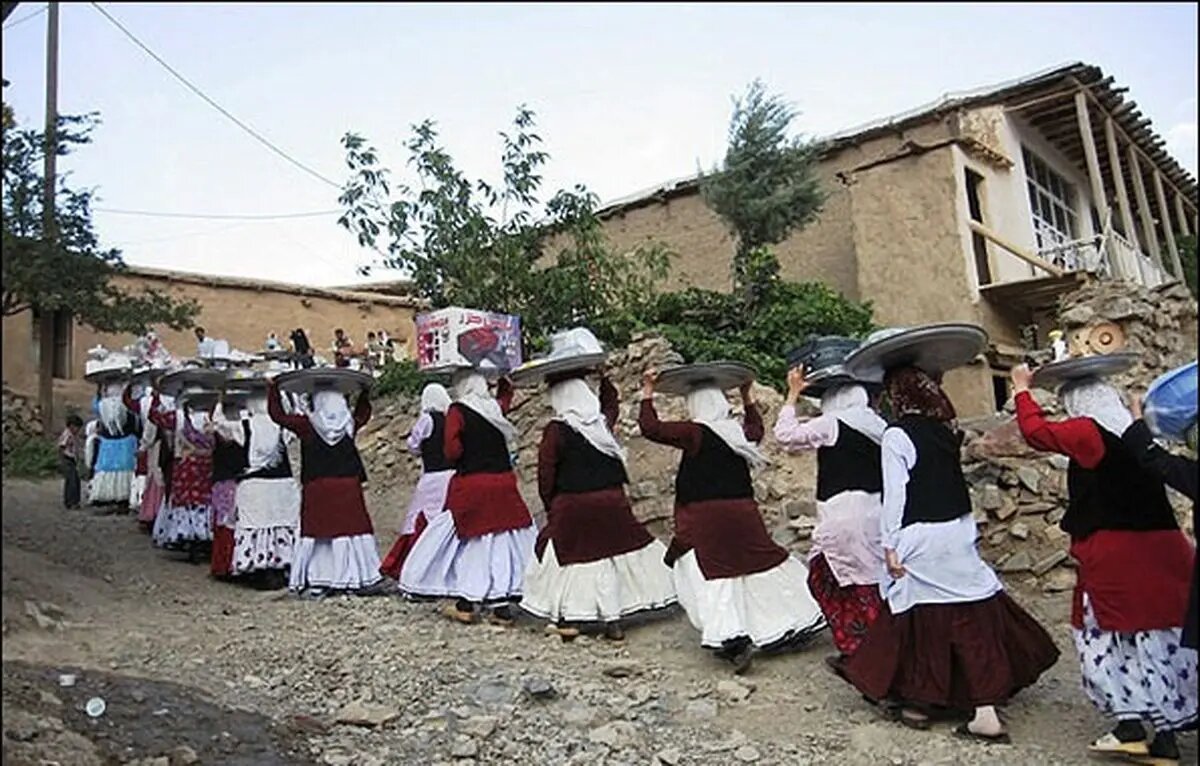
When it comes to traditional costumes, Gilan also has a lot to offer. From the colorful Kasemabadi style of the East to the Tarishi clothing of the West, it is a vibrant expression of identity. These hand-embroidered costumes, some of which date back to ancient times, reflect not only fashion but also the environment and culture of each community.
Moreover, handicrafts remain an important part of Gilan’s cultural fabric. Known worldwide for its Chadorshab weaving, Qasemabad village produces exquisite textiles that blend tradition with modern life. Meanwhile, Fashteke village reed weaving, which uses local wetland materials, is gaining recognition for its sustainable and cultural importance.
Despite its rich history of cultural heritage, Gilan traditions face challenges such as limited markets, expensive materials, and the risk of technological decline. Experts stress that preserving this heritage means more than just documentation and requires the active participation of local communities.
Some believe that organizing festivals, workshops, and ecotourism is contributing to the revival of these customs, combining cultural pride with economic opportunity.
morning