
Indirect consultations between Tehran-Hamas, Israel and the US representatives demonstrate the growing importance of the Palestinian group’s strategic manipulation in the Gaza conflict. Sharm El-Sheikh’s negotiations demonstrate the strategic use of Hamas diplomacy following intensive Israeli military operations.
Hamas has expressed a strong will to carry out the US-suggested ceasefire and immediately begin prisoner exchanges, according to AFP sources. Under a 20-point plan announced by President Donald Trump, Hamas released the remaining 48 prisoners of war. Of these, 20 are thought to be alive. Hamas officially said on Friday. “We are ready to enter into negotiations immediately through our mediator to discuss the details of this agreement,” he said.
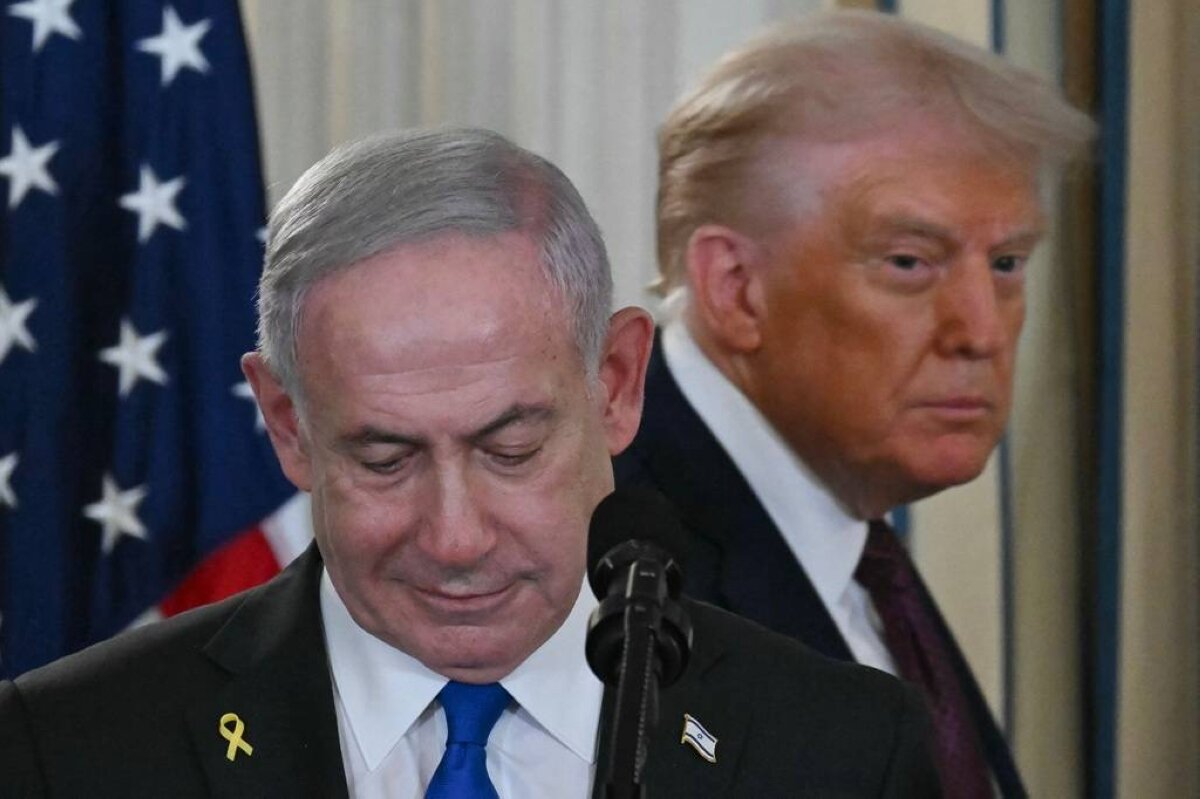
Trump and Israeli Prime Minister Benjamin Netanyahu responded actively to Hamas’ declarations and demonstrated provisional consistency in the path to an armistice.
Important regulations
The ceasefire plan provides for Israeli military attacks in Gaza to be stopped immediately upon agreement by the parties. All prisoners, whether alive or dead, will be released within 72 hours. Israel will also halt its operations, withdraw from most of Gaza, release hundreds of Palestinian prisoners, and allow an influx of humanitarian aid along with ultimate reconstruction efforts. The plan emphasizes that Palestinians will not be forced to leave Gaza, but those who choose to leave may be free to return.
The Israeli military has confirmed that preliminary measures are ongoing to prepare for the potential implementation of the plan.
Hamas’ strategic positioning
A thorough investigation of Netanyahu’s stated military goals underscores the importance of Hamas’ diplomatic stance. Since ordering an Israeli military campaign in Gaza in October 2023, Netanyahu has repeatedly vowed to continue the attack until Hamas has been eliminated and all prisoners have been released. His acceptance of the ceasefire plan shows the implicit recognition of a limiting military power and a practical shift to diplomacy to achieve its battlefield-escape goals.
Similarly, Trump’s involvement underscores the perception that Israel cannot defeat Hamas militarily. Political, the ceasefire represents an opportunity for Trump to assert a form of victory. During the presidential election, he promised to quickly end the conflict in Gaza. By confirming the armistice, he can portray tangible success, and it is possible that he will position him for international acclaim, including consideration for the Nobel Peace Prize.
Global and Regional Meaning
The ceasefire will also mark a strategic victory for Hamas. Israel’s international status has been suffering during the Gaza conflict, with widespread criticism from world leaders, UN officials and even domestic human rights groups. The deaths of 67,000 Palestinians force heavy prices. Netanyahu has been wanted by the International Criminal Court for war crimes, but several western allies, including the UK, France, Australia and Canada, recognize Palestine as a nation and further segregated Israel.
If implemented, a ceasefire could derail Israel’s ambition to completely re-occupy Gaza. In this scenario, Hamas positions himself as a wise and politically keen actor, celebrating the agreement or putting Israel accountable to face an escalation of international condemnation. The abolition of this deal brings great political and strategic costs for Israel, further entrenching its image as a pariah.
By accepting Trump’s proposal for a ceasefire, Hamas not only demonstrates strategic forecasts but also a calculated understanding of the changing balance of power in the Gaza conflict.