
Tehran – Hot summer days can cause fever-related illnesses and heat exhaustion. This can be life-threatening. Overexposure to heat leads to loss of fluids due to sweating and dehydration.
High temperatures, dry, red skin, high body temperatures, muscle pain, and even unconsciousness can be symptoms of a fever-related illness.
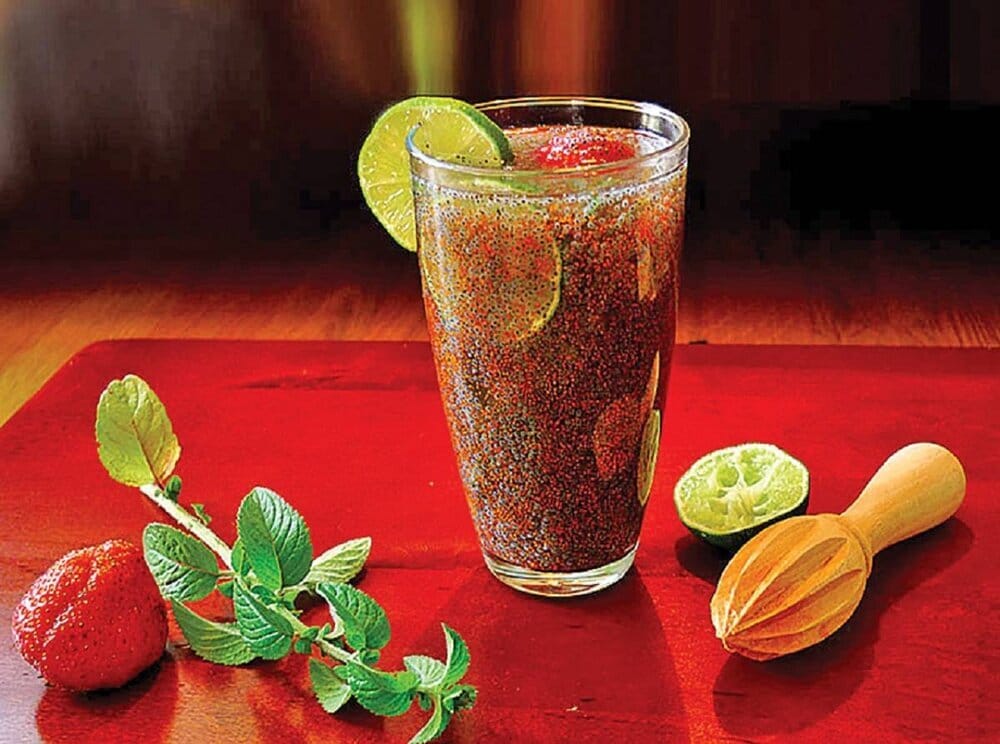
Some Persian drinks and herbal drinks are useful for individuals with fever-related symptoms.
A drink made with honey, mint and vinegar, Secanjabin has a great advantage in hot climates. Drinking it with an ice cube will cool your whole body and lower the temperature.
Boiling jujubu in water with brown sugar added is a perfect combination on hot days. The drink is served chilled.
Flixweed, known as Iranian Khak-e Shir, cucumbers and watermelons, are extremely beneficial on hot summer days.
One of the best drinks is a combination of jujub and burberry, simmered in sugar and added to treat heat fatigue. The ice flicks weed drink added with lemon juice is also great.
Basil weed syrup is another option. Thermal fatigue can also be healed with syrup made from rose water and some ice cubes.
Healthy summer meals
As Persian medicine prioritizes prevention over treatment, it emphasizes the need to recognize what to consume and avoid in order to keep each season healthy. For summers with hot and dry temperament (Mizaj), the following tips will help you make healthier choices.
People with hot, dry temperament are more at risk in the summer. Anyway, the key to a healthy diet is avoiding foods and drinks that raise body temperature and cause dryness. These include spicy foods such as pepper, ginger, cinnamon, saffron, hot sauce, and mustard. Spicy vegetables such as garlic, onions, tarragon, mint, green onions, watercrees, dill, salt and sweets.
It is recommended to eat raw or steamed vegetables without strong spices.
Some salads with ingredients like lettuce, cucumber, lemon juice are useful because they have a cooling function.
It also reduces snacks such as salt, salty foods, and salty chips and nuts.
Most nuts have a hot, dry temperament, so even salt-free, sugar-free nuts should be moderately eaten.
In the summer, reduce your intake of sweets, chocolate, honey, raisins, and even sweet fruits such as figs, coconut, bananas, melons and pineapples.
Consumes cooked or boiled foods rather than deep frying or roasting.
Cooled foods, fruits and drinks are the perfect choice for the summer season.
Choose fish and chicken with a cold, damp temperament on top of the lean meat, as it has warming characteristics and miserage.
Blackberry and blackberry juice, raspberries, sour apples, cherry, green plums, pomegranate, dill, peach, apricots, watermelons and grapefruit are the perfect choices for the season, while cucumbers, yogurt, lettuce, zucchini, coriander and spinach are great.
Additionally, don’t forget to drink the right water and include dairy products in your diet.
As mentioned, Persian medicine focuses more strongly on prioritizing health maintenance and disease prevention than treatment.
It is one of the oldest forms of traditional medicine. It is based on four concepts of sense of humor: Phlegm (Balgham), Blood (Dam), Yellow Bile (Safra’), and Black Bile (Sauda’). The four concepts of sense of humor are based on the teachings of Rhazes and Avicenna in an elaborate healthcare system.
Studies show that over 80% of the country intend to benefit from traditional Iranian medicine.
Their interest in traditional medicine has never faded. Traditional medicine is taught in universities.
Traditional medicine has its roots in Iranian culture, customs and traditions, and has always been interesting to them.
With over 500 graduates in this field and numerous published research articles, the country was able to improve its position by ranking fourth in the production of science in the field of traditional medicine around the world, following China, India and the US.
Traditional medicine and traditional medicine are complementary. Each of these medications has a unique feature that can be used together.