
TEHRAN – A senior Iranian diplomat has strongly condemned the “crime and humanitarian catastrophe” unfolding in the Sudanese city of El Fasher and called for swift and coordinated international action to confront the rapidly deteriorating situation in North Darfur.
Ali Bahrain, Iranian Ambassador to the United Nations Office in Geneva, spoke on Friday during the 38th special session of the Human Rights Council, which was convened to address the escalating violence in and around El Fasher as Sudan’s internal conflict intensifies.
Bahrain noted that Iran is deeply alarmed by the deterioration of the humanitarian emergency, increasing the risk of famine, mass displacement, and the destructive role of foreign interference.
“Severe hunger, widespread displacement and enormous civilian suffering have created one of the world’s most serious humanitarian crises, demanding immediate action from the international community,” he said.
The Ambassador criticized the international community for “remaining silent” in the face of such atrocities and expressed particular concern about the continued external support for armed groups.
“Our greatest concern is the continued flow of weapons that fuel these crimes. Foreign intervention, including arms transfers and the recruitment of mercenaries, is intensifying the conflict and exacerbating the humanitarian disaster.”
Bahrain reiterated Iran’s support for Sudan’s national unity and territorial integrity.
“Iran firmly rejects any attempt to impose a ‘dual governance’ arrangement or undermine Sudan’s legitimate central government,” he said.
He called on all countries to take “decisive action” to protect civilians and support efforts to restore peace, stability and unity in Sudan.
Violence in Sudan has increased sharply in recent weeks, particularly after the UAE-backed Rapid Support Force (RSF) and its allied militias took control of El Fasher in late October. The militants massacred at least 2,000 civilians, according to human rights groups, describing the event as a genuine genocide.
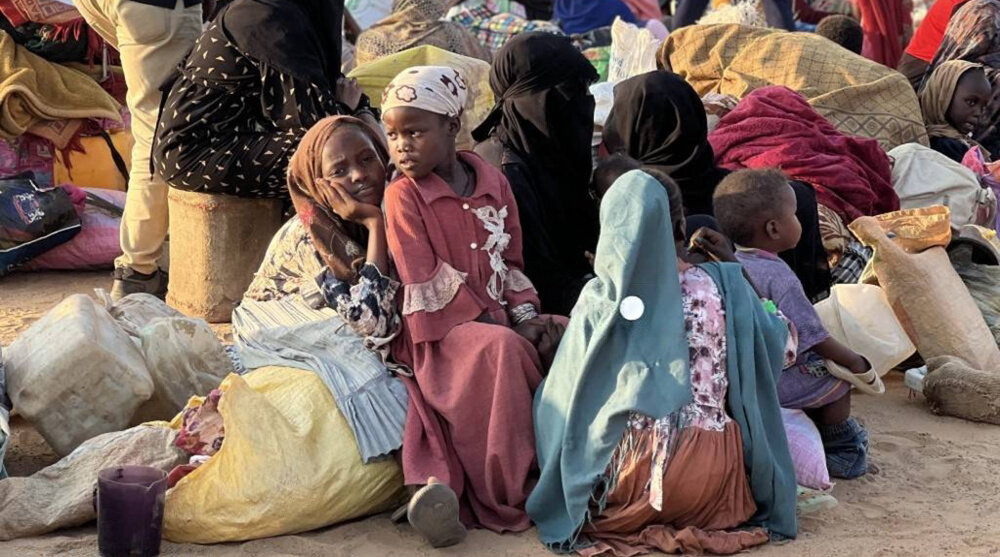
The conflict has been marked by brutality, including ethnic killings, sexual violence, summary executions, and the forced displacement of approximately 89,000 people in and around the city.
Once partners, the Sudanese army and RSF turned arms on each other in 2023.
The World Health Organization estimates that at least 40,000 people have been killed in the war, and the United Nations reports that 12 million people have been displaced, making it one of the world’s worst displacement crises. Aid groups say the real death toll may be much higher.
During its session on Friday, the UN Human Rights Council adopted a resolution directing the UN Independent Fact-Finding Mission on Sudan to urgently investigate violations of international law by all parties to El Fasher. The resolution also calls on law enforcement authorities to “identify, to the extent possible,” those responsible, with the aim of ensuring future accountability.