
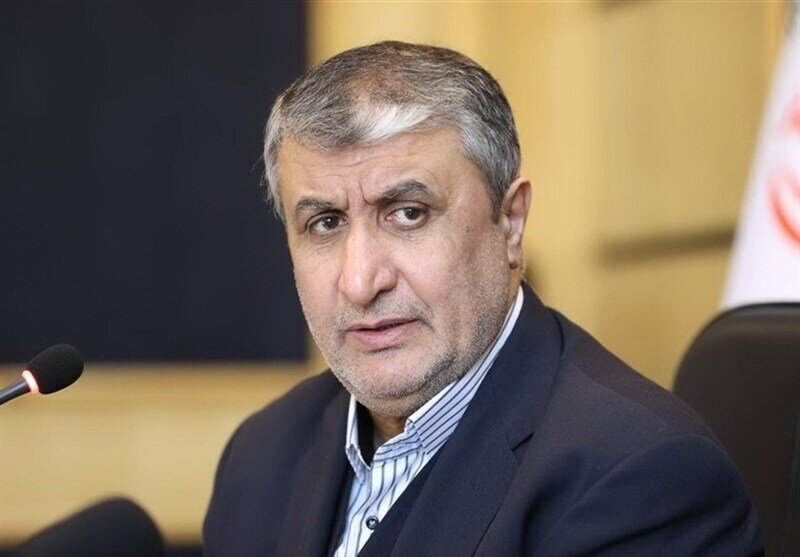
Tehran – Iran’s nuclear chief has strongly criticized the International Atomic Energy Agency (IAEA) for not condemning Israel’s strike in June against the country’s nuclear facilities, warning that such silence will effectively line up the attack and undermine trust.
Mohammad Esrami, Iran’s vice president and vice president of Iran’s Atomic Energy Organization (AEOI), has spoken about the bystanders of Moscow’s World Nuclear Week. He said the IAEA’s inaction after the strike was unacceptable and raised serious questions about physical equity.
“The IAEA’s refusal to condemn the Israeli regime’s attack on nuclear facilities means it is part of a military attack.
He explained that Iranian parliament has enacted a clear law requiring state agencies to act when IAEA registered sites are attacked. “What does that mean when our facilities under IAEA oversight are attacked and the agencies, the UN Security Council, and the Governor-General don’t condemn it? That means they are colluding,” he said.
Eslami argued that Iran cannot trust international organizations that do not respond to attacks. “This is directly linked to our national security. The IAEA had a legal obligation to condemn these attacks. We notify the agency in writing, and acts that are reported under the Safeguard system and are expected under its own law. In itself is a cause of distrust,” he said.
The AEOI chief was clear about the future of Iran’s cooperation with the IAEA. “Our law is express and cooperation will not resume until those conditions are met. The Ministry of Foreign Affairs has also set conditions.
Looking more broadly at ongoing negotiations, Eslami stressed that he believes Iran is discussing it as a genuine dialogue rather than a pre-determined outcome. “Negotiations mean discussion and agreement. If you declare the outcome in advance, it’s not negotiation. Actual consultations must have agenda and produce balanced, fair and appropriate decisions,” he said.
“This is the policy of the Islamic Republic of Iran,” Eslami added. “Everyone who talks about negotiations must show that they are willing and ready to act accordingly.”
On June 13, Israel launched a blatant, unprovocative act of aggression against Iran, causing a 12-day war that killed at least 1,064 Iranians, including senior military commanders, nuclear scientists and civilians.
The conflict escalated further when the US intervened by bombing three Iranian nuclear facilities. This was accused by Tehran as a serious violation of international law.
Iran responded with force. The force launched a strike over strategic Israeli sites across the occupying territories, targeting Al Udeid Air Base in Qatar, the largest US military facility in West Asia. By June 24, Iran’s anti-manipulation had succeeded in halting the joint Israeli-American attack.