
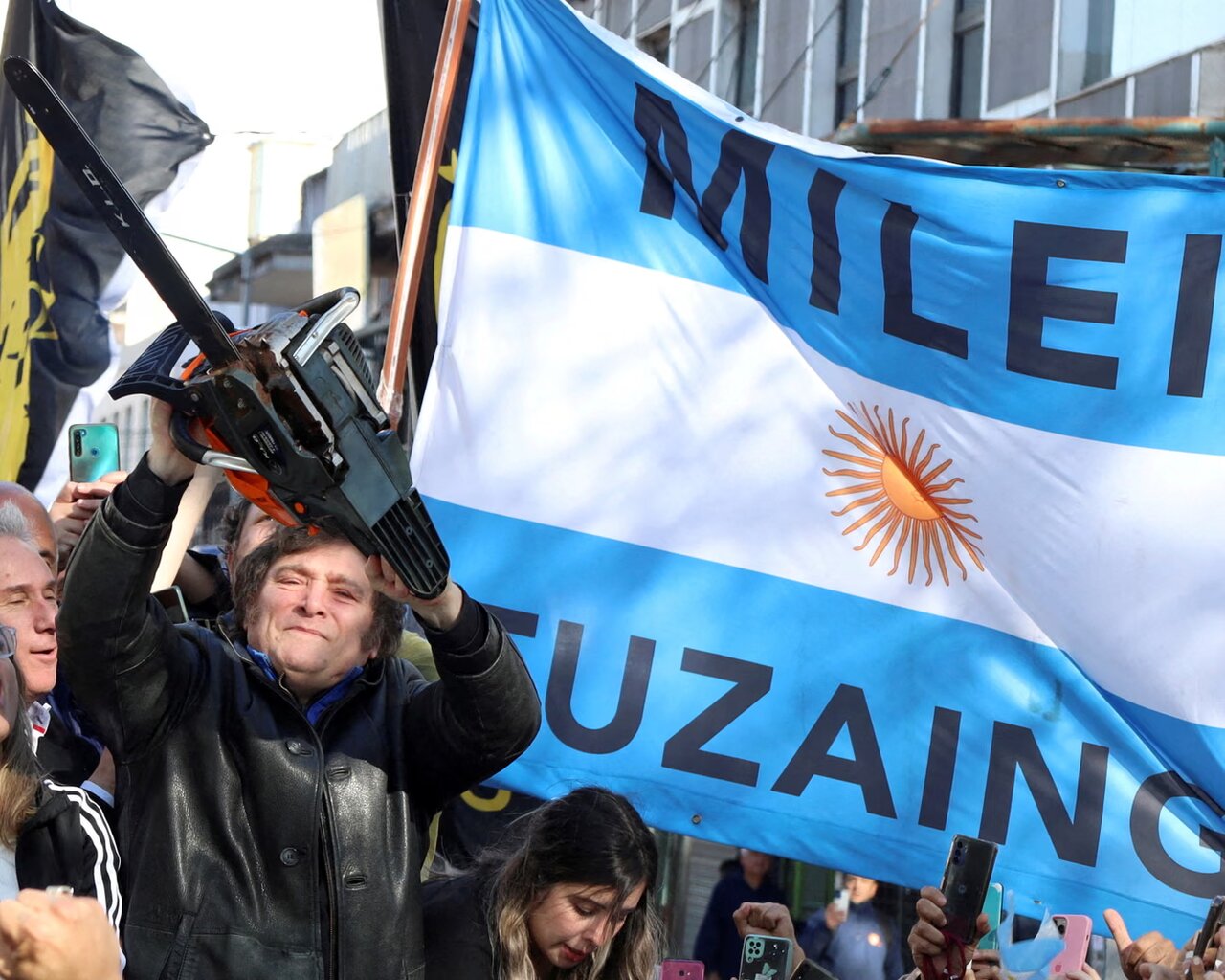
TEHRAN – Argentina’s October midterm elections handed President Javier Millei’s liberal Avanza party a landslide victory. But this was not a victory of domestic recognition, but of foreign influence.
Mr. Millais expanded his parliamentary reach, but his victory came amid rising poverty, mass layoffs, and deepening social unrest. The election was less a referendum on Milley’s governance than a demonstration of how far the United States and Israel are willing to go to secure their strategic interests.
Chainsaw austerity
Since taking office in December 2023, Mr Millais has been extremely effective in exercising his signature ‘chainsaw’ approach to public spending. His zero-deficit plan cut subsidies, eradicated pensions and suspended disability benefits. Inflation fell from 289% to 32%, but the cost was staggering. More than 200,000 formal jobs have been lost, 18,000 businesses have closed, and the number of homeless people in Buenos Aires has increased by 38% since the end of 2023. Trash bins now have warning signs. Because people are sleeping in it. Soup kitchens are overflowing and pensioners are protesting weekly over cuts that have left them unable to buy essentials.
US influence
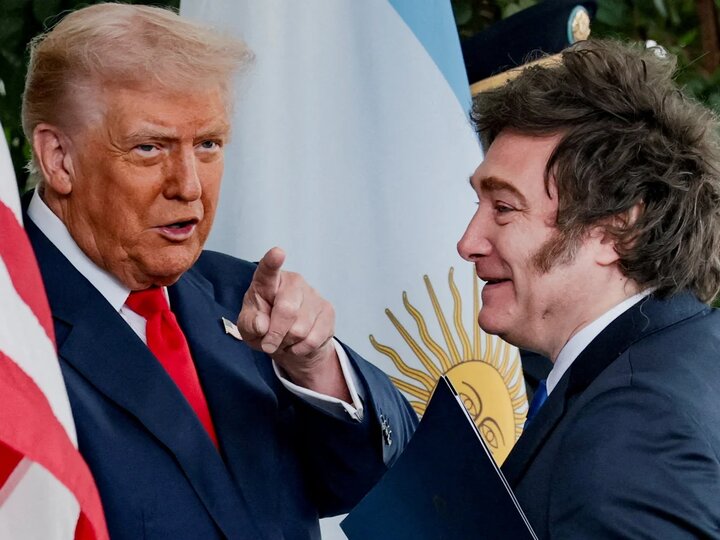
The role of President Donald Trump’s administration in shaping the election outcome was clear. A $40 billion bailout (half from the U.S. Treasury and half from private banks) was contingent on Milley’s success. “If he wins, we’ll stay with him, but if he doesn’t win, we’ll leave,” President Trump declared during Milley’s visit to the White House in mid-October. This statement turned Argentina’s democratic process into a geopolitical bargain. Mr. Millay’s campaign was buoyed by promises of cash from abroad, not by domestic achievements.
In a statement after the election, President Trump praised Milley’s victory as proof of U.S. support and called it “proof that the Argentine people made the right choice.”
support for israel

Israeli Prime Minister Benjamin Netanyahu also joined the chorus, congratulating Milley on his “extraordinary victory” and praising his courage. The two leaders met in New York during the United Nations General Assembly, and Netanyahu called Mirai a “true friend of the State of Israel and the Jewish people.” Milley returned the favor by supporting Israel’s military operation in Gaza, which many international observers have described as genocidal.
Beyond the symbolic gesture, Milais’ collaboration with Israel also serves a strategic purpose. His government is promoting the Isaac Accord, a regional initiative aimed at deepening ties between Tel Aviv and Latin America. Israeli companies have expanded their presence in Argentina’s defense and surveillance sectors, and Milay has echoed Netanyahu’s rhetoric at international forums, defending Israel against war crimes charges. This ideological and diplomatic alignment helped Milais court the conservative bloc and foreign investors, and strengthened his image as a reliable partner to Western allies.
Brazil chose autonomy
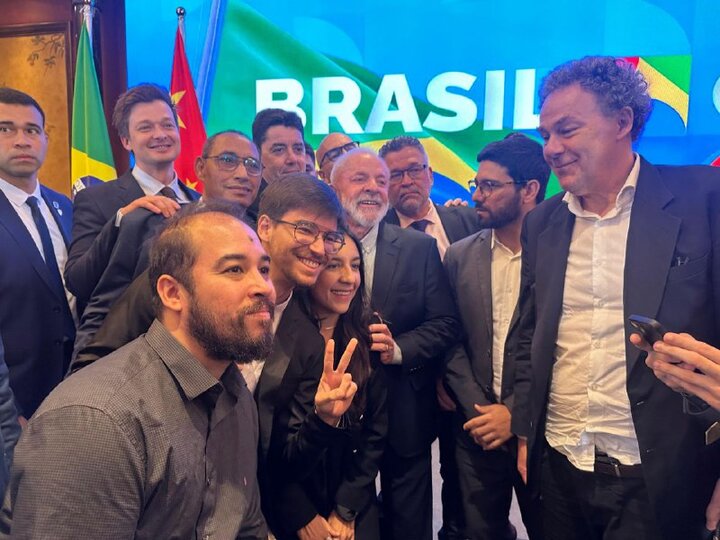
Argentina’s trajectory is in stark contrast to Brazil’s. In 2022, Luiz Inacio Lula da Silva was elected president on the platform of social inclusion and regional independence. Despite the economic difficulties, Lula’s victory reflected a true national mandate. Argentina, by contrast, saw its democratization process reshaped by external actors. While Brazil resisted foreign pressure, Argentina succumbed to it. The election was influenced not by performance but by foreign support.
Strategic interests surrounding social welfare
Mr. Milay’s alliances with the United States and Israel brought him political capital but deepened Argentina’s social crisis. His economic reforms delighted foreign investors and agribusiness elites, but devastated the working class. The cuts to disability pensions, which affected more than 140,000 people, had a modest fiscal impact but sent a clear message that austerity will be enforced regardless of the human cost. Critics say these measures are more symbolic than effective and aimed at demonstrating loyalty to foreign donors rather than serving the Argentine people.
distorted democracy
Argentina’s interim results may have changed the shape of Congress, but they did not reflect growing domestic support. They revealed a country caught between economic despair and foreign influence. The election was not a celebration of Milais’ leadership, but a warning of how democracy can be distorted by geopolitical pressures.