
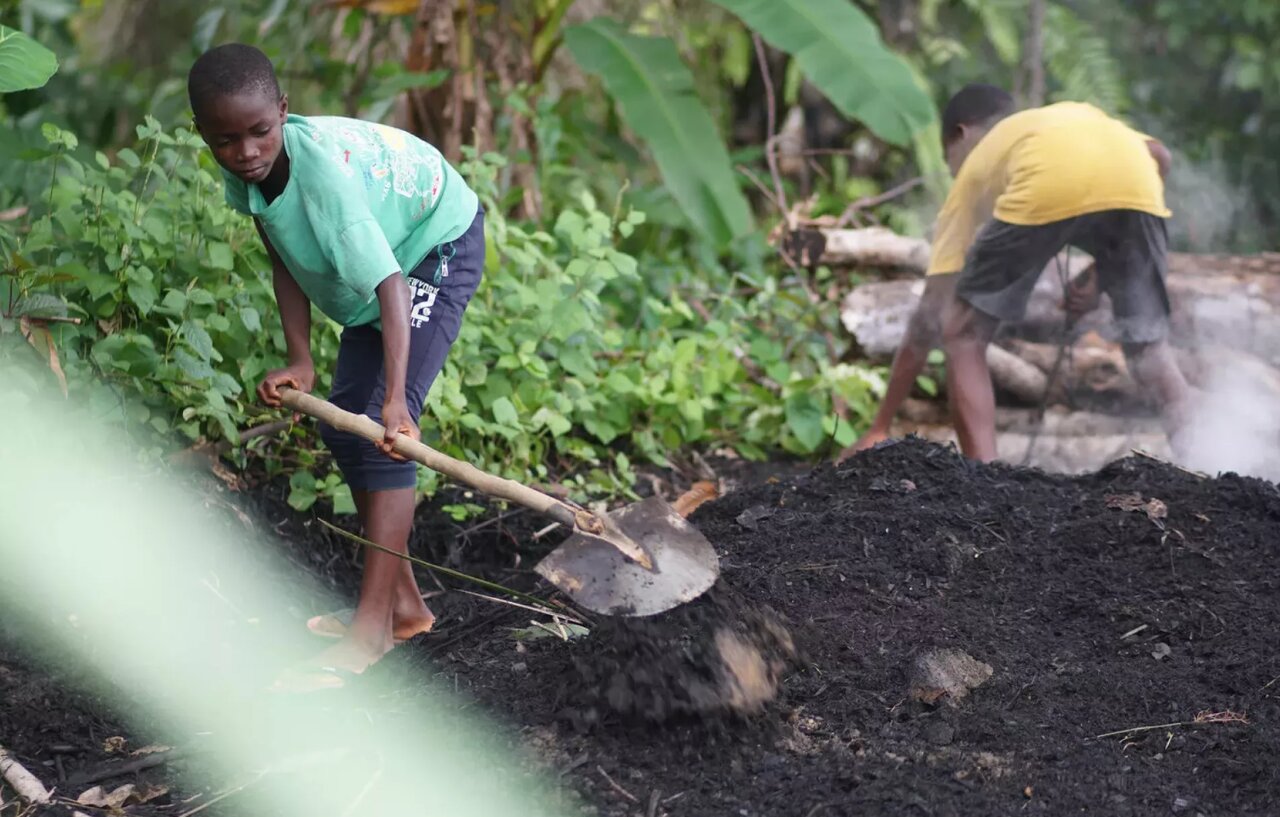
“I’m not happy to see my friends work here while they’re at school,” says Adama, 12, looking around the quarry in the Gomb community in Kenema, southeastern Sierra Leone. Adama works with his parents and faces a painstaking job of splitting large rocks into gravel every day and then selling them to construction contractors, as stated on the UNICEF website.
Adama is one of nearly 138 million children worldwide who are engaged in child labour, and more than a third of children involved in dangerous jobs that could put their health, safety or development at risk.
In most cases, child labour occurs when families face economic challenges and uncertainties, such as poverty, sudden illness in caregivers, or unemployment in primary wage workers. Whatever the reason children are exposed to child labour, the outcome is phenomenal. It can lead to sexual or economic exploitation, extreme physical and mental harm, and even death. In almost all cases, children cut off schooling and health care, limiting their fundamental rights.
Adama has been working in the quarry for five years and hopes to save enough money to return to school. She hopes to become a teacher one day. But for now, her busy days even begin when she heads to the quarry.
“In the morning, I clean, wash the dishes, clean the room, then chase my dad and mom for a living,” she says.
Over the past five years, child labour prevalence has declined in sub-Saharan Africa, but the total number has stagnated against the backdrop of population growth, ongoing and emerging conflicts and the expansion of the social protection system.
One in five children in Sierra Leone engage in child labor. Child labour compromises children’s education, limits future opportunities, and perpetuates an intergenerational cycle of deprivation.
MNA/