
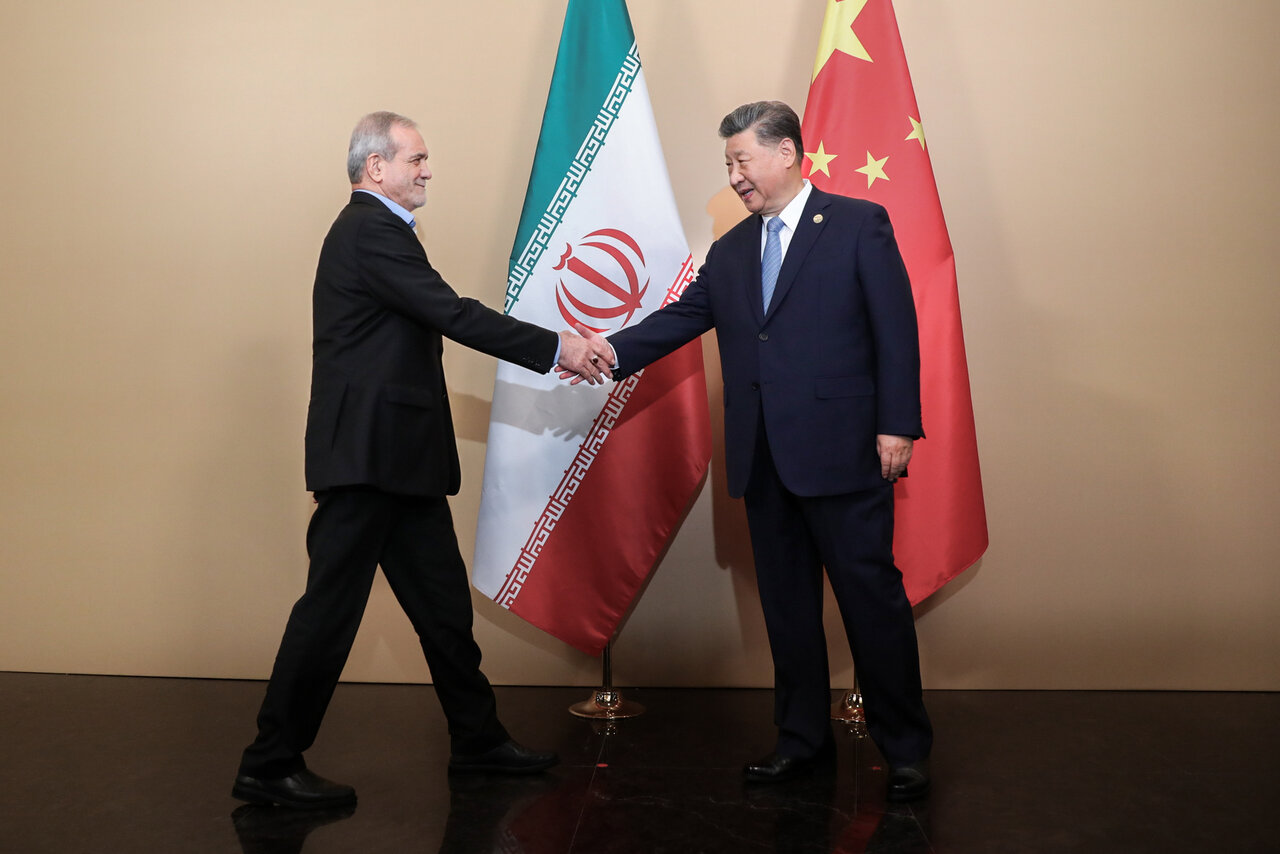
TEHRAN – Since China’s National President Xi Jinping introduced the Global Governance Initiative (GGI), this mechanism has been widely welcomed by countries around the world, including Iran.
GGI was highlighted at a ceremony hosted by the Chinese Embassy in Tehran on Monday, September 22nd, commemorating the 76th anniversary of the People’s Republic of China (PRC).
GGI will be the center
More than 76 years after the founding of PRC, the event served as a platform to demonstrate the growing global importance of global governance initiatives.
In his keynote address, Iran’s Chinese ambassador, Konpei, puts special weight on the initiative, pressing it on international challenges. He described GGI as a Chinese solution that caters to the universal aspirations of all people and meets the urgent needs of today’s world.
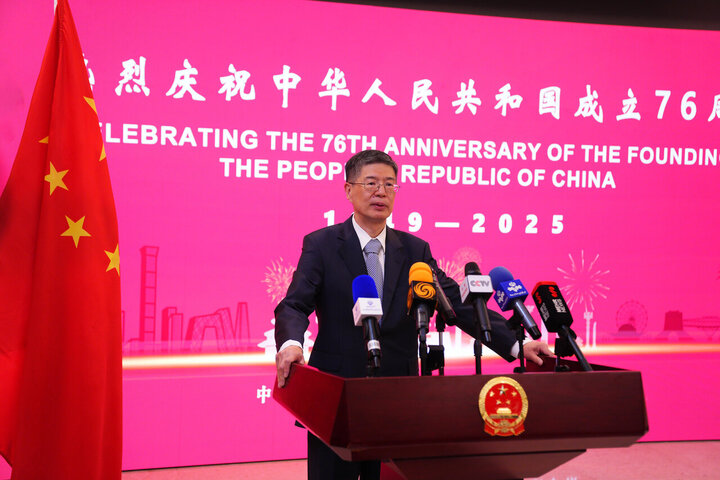
The ceremony, attended by numerous diplomats, ambassadors and Iranian officials, reflects not only the depth of bilateral relations, but also the willingness of both Tehran and Beijing to position GGI as a common vision for shaping a more cooperative and just world order.
The enthusiastic acceptance of Iran’s initiative underscores this point. In an exclusive interview with Chinese media groups, Iranian President Masuud Pezeshkian praised GGI as an important step towards building a more peaceful, secure, fair and equitable world. He described it as a model for today’s international vision.
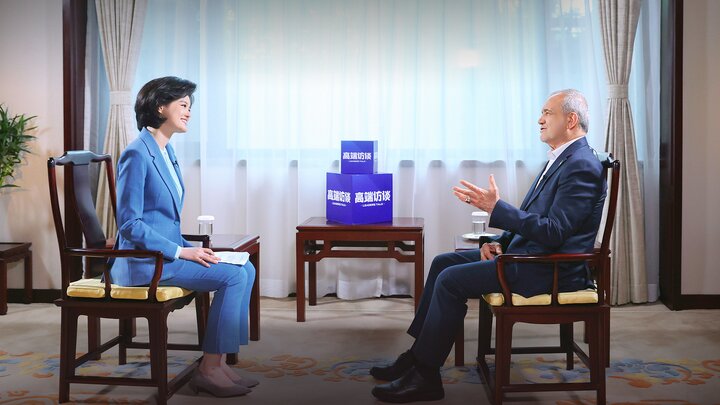
Pezeshkian, a bystander at this year’s Shanghai Cooperation Organization (SCO) summit, further demonstrated its consistency with Iran’s Chinese governance approach. His comments suggest that Tehran views GGI not only as a Chinese initiative, but as a framework with global potential. In particular, developing countries are associated with navigating complex international dynamics.
Synergistic effect between Iran and China
Speaking to the Tehran Times at the PRC Anniversary reception, Ambassador Kong detailed how GGI can strengthen Tehran and Beijing relations.
The Chinese ambassador emphasized the two countries’ commitment to global cooperation. “For Iran and China, as important members of the Global South, there is a lot we can do together to ensure that the global governance initiative is implemented faster and faster, for example by practicing multilateralism.
He also emphasizes that China and Iran are focusing on people-centered development. “In addition, from the perspective of a people-centric approach, we both place great importance on improving our people’s lives… We can exchange views on this point, creating more favorable conditions for widespread cooperation not only between China and Iran but also between the south of the world,” the ambassador explained.
GGI Guidance Principles
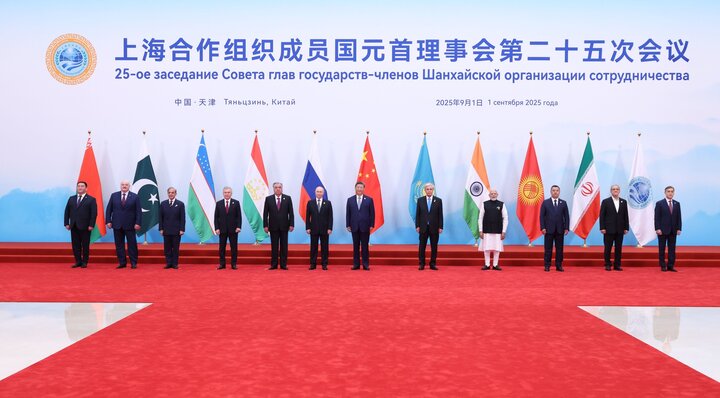
Chinese National President Xi Jinping is posing for a group photo with the leader of the 25th SCO provincial leader held in Tianjin on September 1, 2025.
President XI officially announced the Global Governance Initiative at a meeting with Shanghai Cooperation Agency and Shanghai Cooperation Agency held in Tianjin on September 1st. The initiative was presented as a response from China, providing a roadmap for the nation to cooperate in pursuing a more balanced and comprehensive international order.
At its core, GGI advances its vision of peaceful coexistence, shared prosperity, and a favourable collaboration for both sides. Xi outlined five guideline principles to fix this vision. The first emphasizes respect for sovereign equality and ensures that all countries are treated as equals regardless of size or power. The second highlights the importance of maintaining the rule of international law as a basis for fair and transparent global governance. The third calls for a new commitment to multilateralism and encourages countries to resolve conflicts and shape the future through dialogue and collective mechanisms.
The centre of the initiative is likewise a people-centric approach, placing human well-being and social development at the forefront of policy decisions. Finally, Xi emphasized the need to take concrete and practical actions, ensuring that commitments lead to concrete benefits for the country and its citizens.
Together, these principles present a framework for a more fair, equitable and sustainable global system.
Strategic Partnerships
In an interview with the Tehran Times, Ambassador Kong also addressed questions about the comprehensive strategic partnership agreement, a groundbreaking 25-year plan between Iran and China.
“Since the plan was launched four years ago, we have made many progress in benefits for the people of both countries. Now, after the important meeting in Beijing between President Xi Jinping and President Pezeshkian, I think the most important task for us is to implement the important consensus they reach.
He added that cooperation goes beyond trade and investment. “Indeed, there are many more areas, such as people-to-people collaboration, exchanges between academics and think tanks. I think all these strong efforts will help drive the process of implementing a comprehensive cooperation plan and bring about more tangible results in the coming months.”
The meeting with President Pezeschkian, a bystander at the SCO Summit, further highlighted the common commitment to moving forward with the partnership. This is also emphasized by Ayatollah Seiyed Ali Khamenei, the leader of the Islamic Revolution.
The historic 25-year agreement, signed in Tehran in March 2021, aims to strengthen Iran-China relations amid US sanctions and cover political, economic, security and cultural cooperation. Its roots return to a 2016 visit to Iran in 2016, reflecting the steady growth of their relationship.
Enlarging tie
Reflecting Iran’s growing efforts to strengthen its involvement with China, the official media outlet of the leader of the Islamic Revolution, he recently launched his official Chinese account on social media platform X, publishing his message directly in Chinese.
Ambassador Kong welcomed the development during his interview, calling it “another good example of how Iran’s side is strengthening its efforts to push forward relations.”