
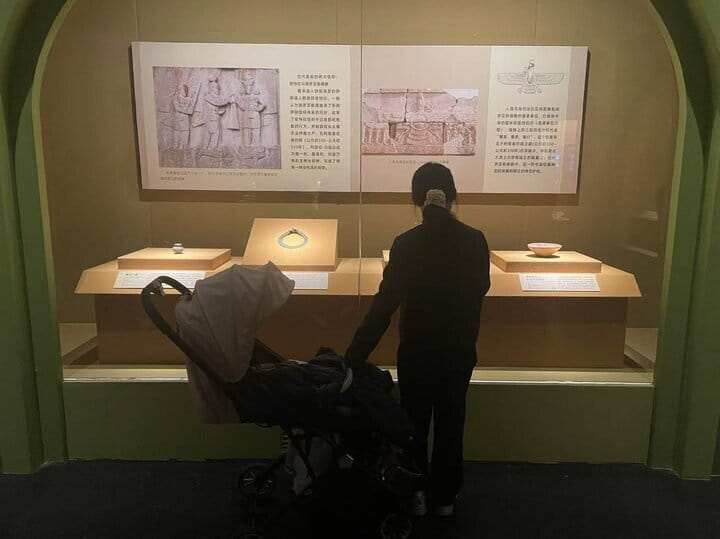
Tehran – Iran is considering an extension of the highly acclaimed cultural exhibit “Land of Kindness,” currently on display in China, in accordance with a formal request from Chinese officials.
The exhibition featured artifacts from several Tehran museums, including the famous Mochadam Museum at Tehran University, and was scheduled to run until late September. However, Chinese organizers are calling for an extension due to the popularity of the event both at Chengdu and its current venue, Guangzhou Museum, Guangzhou.
“We have submitted an extension request to the Minister’s Cabinet,” Dharabi told the Tehran Times. “If approved, the exhibition will continue beyond its first deadline.”
The exhibition continues to cultivate strong cultural connections, but Dharabi has acknowledged that there is no mutual Chinese exhibition in Iran. “My understanding is that political considerations (from the recent Israeli candidate war against the Islamic Republic) have influenced the Chinese reluctance to send artifacts to Iran,” he said.
“However, they have shown interest in holding another exhibition, subject to mutual exhibitions of Iran’s Chinese heritage.”
Dharabi emphasized that China fully covers the costs of exhibitions, including artifact insurance.
Addressing concerns raised by several international media regarding the return of Iranian artifacts (related to previous loan exhibitions), Dharabi said, “These claims are unfounded. All items sent to China – now “except some of the land on the land” – the recent batch has returned in April.
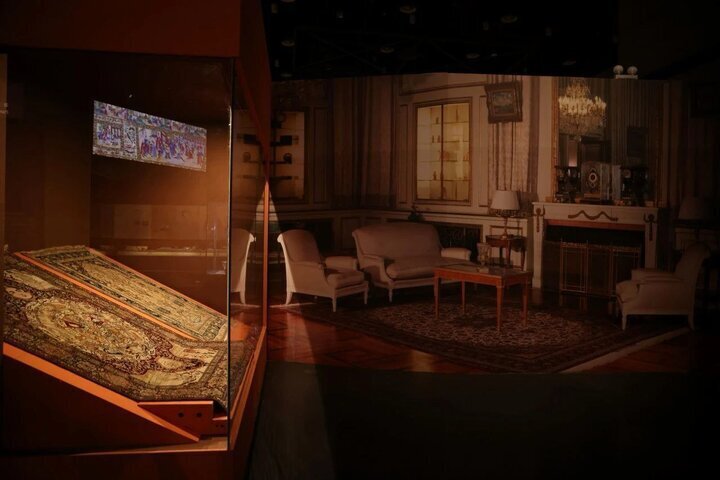
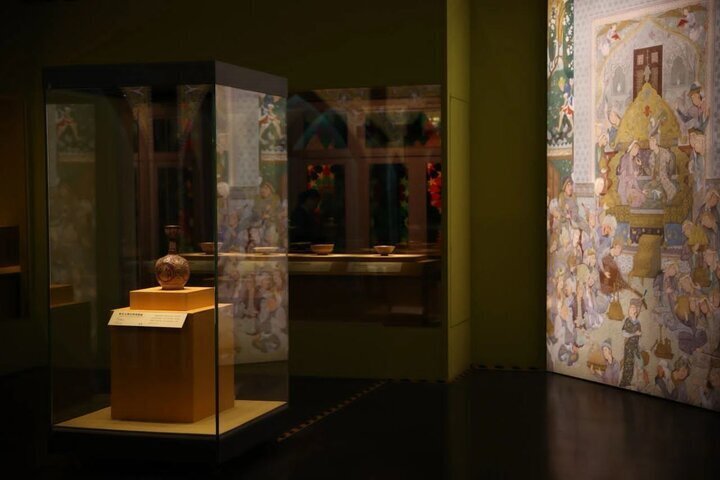
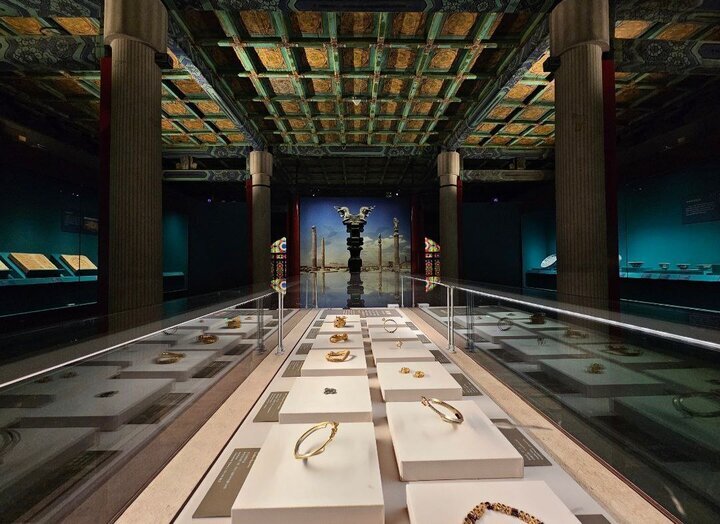
“Land of Kindness” is a joint initiative by the Ministry of Cultural Heritage, Tourism and Crafts of Iran and the International Cultural Exchange Centre for China. The exhibition features around 150 artifacts, including metalwork, ceramics, silk textiles, carpets, seals and other artistic items, reflecting the grandeur of Islamic Iranian civilization.
From the 3rd millennium BC to the later Islamic period, items displayed include intricately crafted metalwork, ceramics, glassware, textiles and Persian carpets. These objects not only show the artistic evolution of Iran, but also tell us about important stages of cultural history, from the time of Mithra’s ritual to the emergence of Islam.
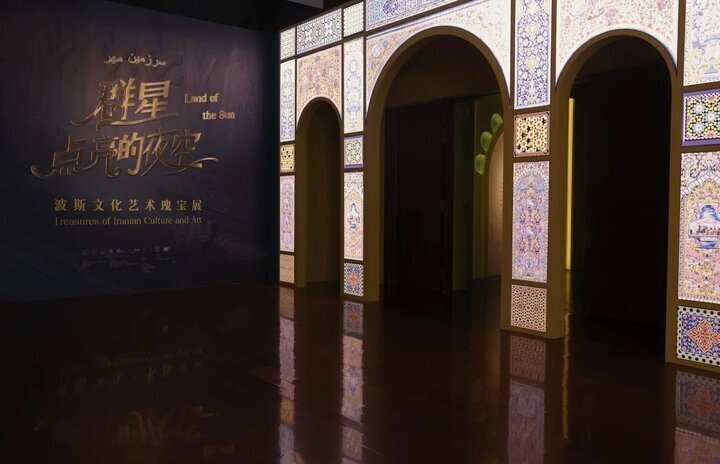
As the organizers stated, an important feature of the exhibition is its immersive design inspired by iconic elements of Iranian art and architecture. Visitors enter an area reminiscent of the Qur’an tilework at Golestan Palace in Tehran, but the main exhibition features stained glass and geometric patterns that inspire Shiraz’s Nasir al-Mark Mosque. This carefully curated atmosphere invites visitors to the spiritual and artistic hearts of Iranian heritage.
morning