
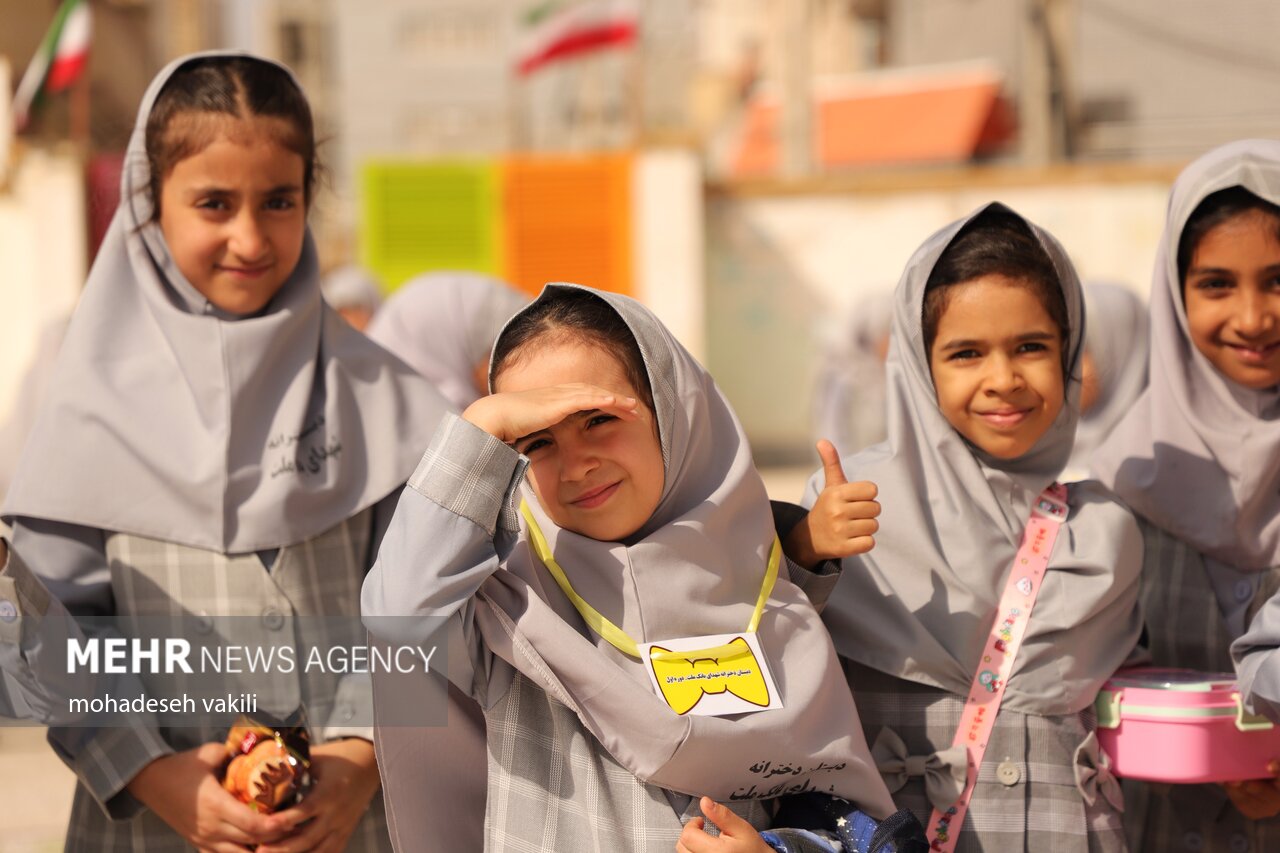
International Women’s Day is an international day of commemoration declared by the United Nations. Also known as “Girl’s Day” and “International Girl’s Day.” October 11, 2012 was my first Girls Day.
This observation supports more opportunities for girls and raises awareness of the gender inequalities faced by girls around the world based on their gender. This inequality includes access to education, nutrition, legal rights, health care, protection from discrimination, and more. The day’s celebration also reflects the successful emergence of girls and young women as a distinct group in development policy, planning, campaigns and research.
International Day of the Girlfriend raises awareness of the issues facing girls around the world.
Let’s take a look at the achievements of Iranian girls.
Iranian girls have made many achievements in various fields of economy, education, sports and health and are growing up according to international standards. An achievement that the enemies of the Iranian people seek to deny through anti-Iranian propaganda.
Following the victory of the Islamic Revolution and the increasing participation of women in education and academia, a special social force called the female class has emerged in the modern world, which is in fact the result of the Iranian system restoring the importance and value due to the female class. It is an emerging force seeking its place in politics, culture, knowledge, economics, and other fields and looking forward to conquering new areas of constructive activity.
Within the framework of religiosity, family love, and patriotism, the interests of Iranian women are very lofty and sublime, and they are also the interests of all elites. Iranian women have much nobler ideas than the meaningless slogans of the West.
Girls’ Day also helps raise awareness not only about the problems girls face, but also about what happens when those problems are solved. For example, educating girls helps prevent disease and strengthens the economy by helping girls get better-paying jobs.
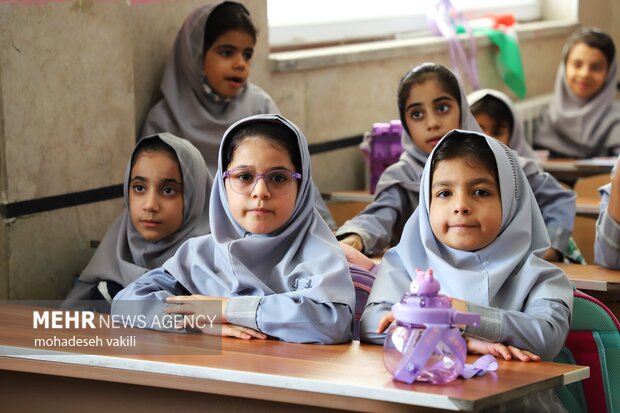
Iranian girls are making great strides in science, education, and technology, contributing to the country’s development. This report delves into the achievements of Iranian women in these fields and highlights the positive impact of the Islamic revolution on their success.
To fully understand the progress of Iranian girls after the Islamic revolution, it is essential to understand the context of their status before the revolution. Under the Pahlavi regime, women’s rights were ostensibly promoted as part of the modernization agenda. However, these reforms were often superficial, benefiting an elite minority while leaving the majority of women, especially those in rural areas, marginalized. Women’s literacy rates were low and their participation in higher education and professional fields was limited.
The Islamic revolution emphasized social justice and equality and sought to address these disparities. This created opportunities for girls and women to participate more actively in public life, including in education and the workforce.
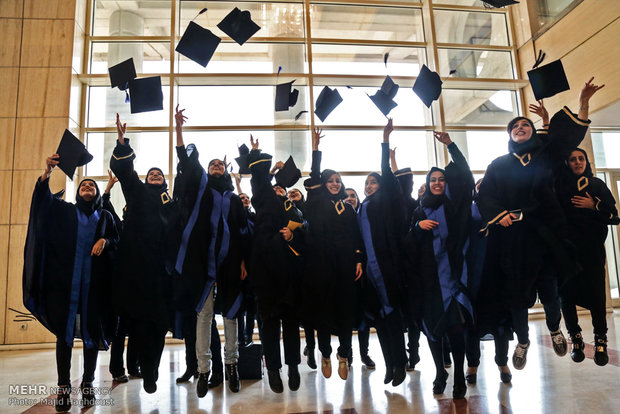
One of the most important achievements of Iranian women in the post-revolutionary era is in the field of education. The Islamic Republic valued education as a means of social mobility and national development. This emphasis on education, combined with revolutionary ideals of equality, led to a dramatic increase in women’s literacy and educational attainment.
The Islamic Revolution emphasizes equality and social justice and has played a vital role in creating opportunities for women. The success of Iranian women in these fields is not only a victory for them, but also for the ideals of the Islamic revolution and the nation as a whole.
Edited and reported by M. Ahmadi