
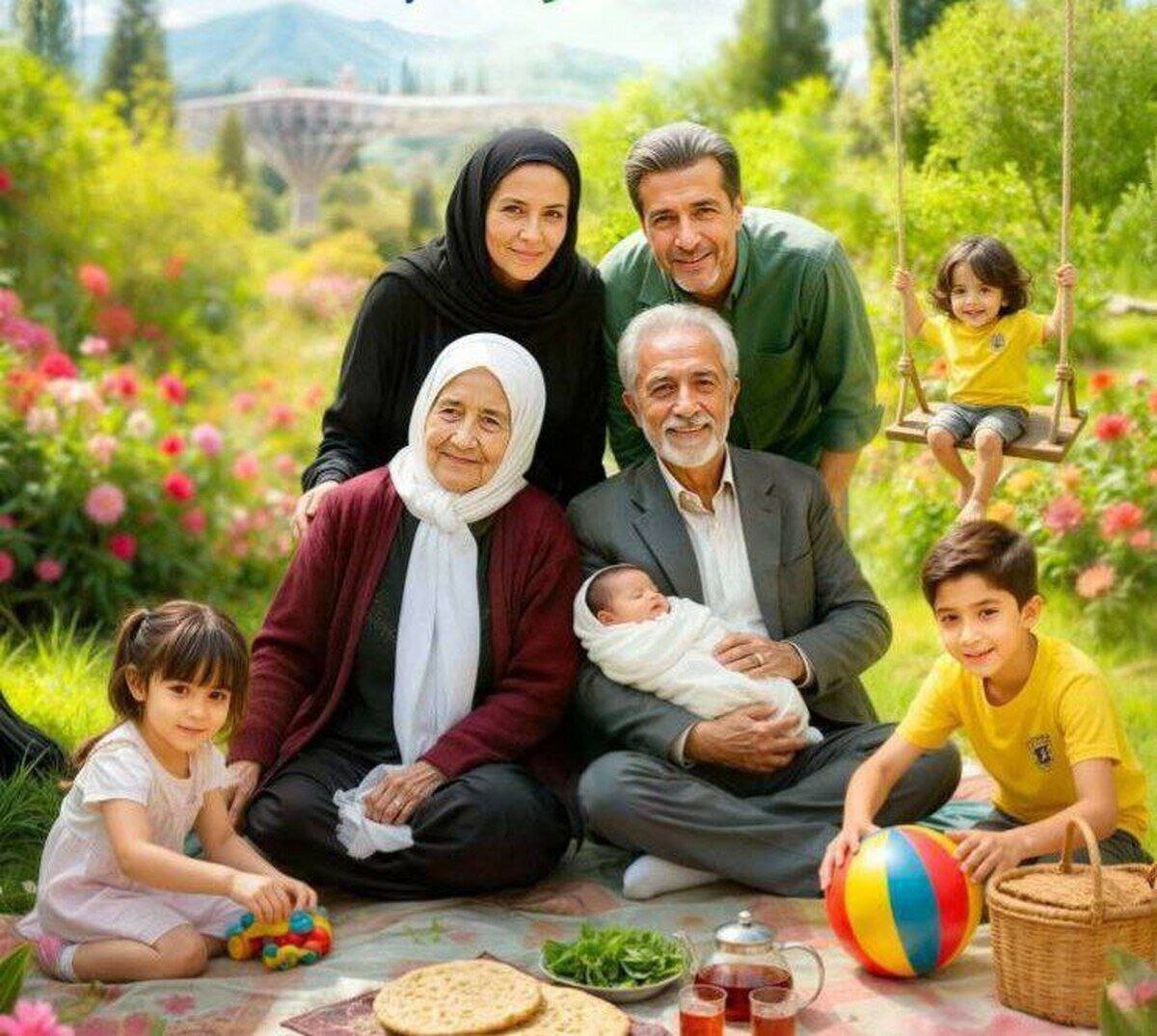
Tehran – National Older Week in the country has been observed in the country from September 30th to October 6th, focusing on improving the mental and physical health, social participation and quality of life of older adults.
This year’s theme is “maintaining dignity and improving the health and quality of life of older adults using a neighborhood-oriented approach” along with the International Elderly Day observed on October 1st.
With the country’s senior citizens rapidly increasing, Iran is expected to enter the population stage between 2041 and 2046, with nearly a third of its population being over 60 by 2050.
Recent reports show that the number of Iranians over the age of 65 is currently 7.5 million, accounting for less than 10% of the country’s total population.
The number of elderly citizens in the country has increased by 3.62%, five times the total population growth rate, at 1.24%. For the time being, older women account for 52.3% of the total population, outweighing men (47.7%).
In line with this year’s theme, this year’s programme focuses on three key areas. It raises training and awareness, promotes respect and social participation, and promotes physical, mental and social well-being of older adults.
Therefore, a specific theme is assigned for each day of the week.
Tuesday, September 30th, “Aged People and Social Status”
Wednesday, October 1st, “Seniors and Physical Health”
Thursday, October 2nd, “Aged and Mental Health”
Friday, October 3rd, “Seniors and Family”
Saturday, October 4th, “Aged people and social participation”
Sunday, October 5th, “Seniors and Social Support”
Monday, October 6th, “Aged people, spirituality, life expectancy”
Webinars, educational workshops, poster development, educational media, media campaigns, cultural and social festival organizations, light physical training, meeting successful seniors, and providing free medical and consulting services at health stations are one of the programs offered per week.
UN International Seniors Day 2025 was observed in “Seniors driving local and global behavior: Our Aspirations, Our Happiness, and Our Rights.” Far from being a beneficiary, older people are the driving force behind progress and contribute to their knowledge and experience in areas such as health equity, financial well-being, community resilience, and human rights advocacy.
With demographic changes, action is more urgent than ever. Elderly people are a rapidly growing segment of society, especially in developing countries. It is essential to empower the elderly, ensure equitable access to health care and social protection, and eliminate discrimination in sustainable development in the aging world.
By amplifying the voices of older people and recognizing their contributions, International Day 2025 will serve as a platform for older people to express their aspirations, defend their rights, and seek policies that ensure dignity and happiness.
Measures to empower the elderly
The National Council of Elderly People has approved 18 strategic plans on aging to improve the situation for older people.
These strategic plans include the development of age-friendly communities, formal and informal caregivers, neighborhood welfare programs, bills defending the rights of seniors, amending enforcement regulations to organize senior issues, aging experts, Time Bank, Aging Data Management Dashboard, Modern Aging Centers, Aging Tourism, Elderly Employment, Airspore for the expansion of senior airspacing, and Airspire Science. Long-term care insurance and national survey.
The plan aims to improve physical and mental health, improve social empowerment, improve quality of care services, prevent harm, educate and develop culture and infrastructure, and enhance participation among older people.
Furthermore, 16 cities in the country have taken the necessary steps to date to develop age-friendly communities.
These cities are located in Tehran, Gilan, Yazd, Isfahan, East Zarbaijan, Western Azabaijan, Lorestan, Hamedan, Huzestan and Buscher Provinces.
An age-friendly environment has eight major domains: transportation, social participation, civic participation, employment, respect and social inclusion, housing, communication, and information.
mt/mg