
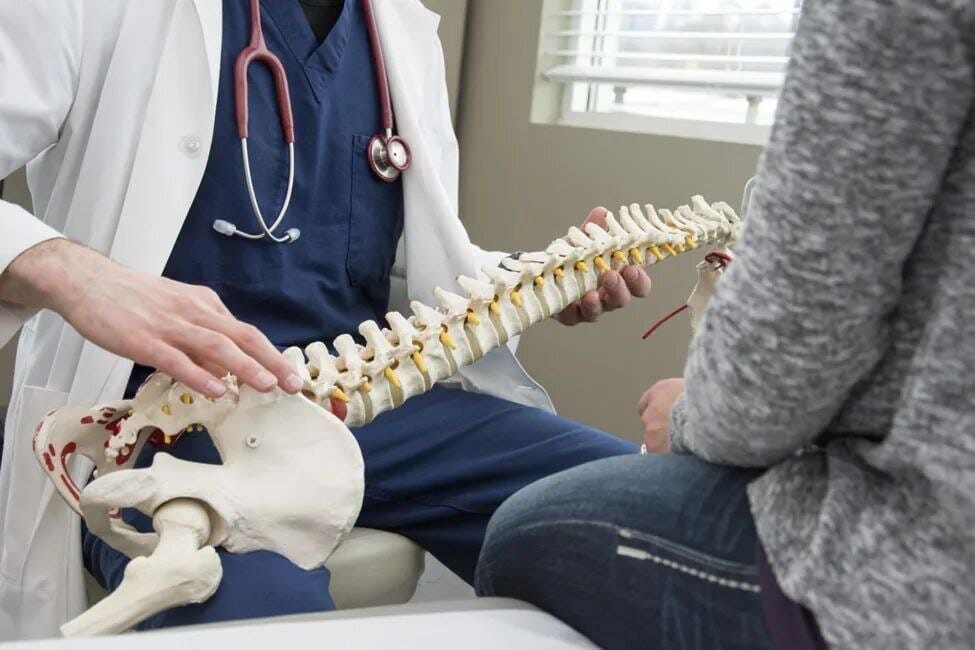
TEHRAN – The Ministry of Health is implementing National Bone Health Week nationwide from October 18 to 24 to increase public awareness about prevention, diagnosis and treatment methods of osteoporosis and related musculoskeletal diseases.
This week coincides with World Osteoporosis Day, which is celebrated on October 20th every year.
This year, 2025, the theme of World Osteoporosis Day is “Unacceptable!” This theme highlights the urgent global need to address the treatment-prevention gap in osteoporosis treatment, mobilizing the actions of individuals, health systems, and policy makers to prevent fractures and improve bone health.
The week-long program mainly focuses on training, improving health literacy and promoting a healthy lifestyle to build strong bones, IRNA reports.
Osteoporosis literally means “porous bones.” It is a condition in which bone density decreases and bone quality decreases, causing bones to become thinner and less strong. This can lead to fractures, causing pain and disability. Osteoporotic fractures can be life-altering and have a significant impact on quality of life, mobility, and independence.
Osteoporosis is also called the “silent disease.” That’s because most people don’t realize they have osteoporosis until they break a bone in a minor fall or collision (known as a fragility fracture). These fractures usually occur in stressed bones such as the spine, hips, and wrists.
Some of these fractures occur without any blunt trauma, such as a mild sneeze or cough. Many patients live with chronic pain or vague back pain for years without knowing they have a vertebral fracture. Further progression leads to short stature, hunched posture, and limited mobility, which significantly reduces quality of life.
Up to 37 million fragility fractures occur annually in individuals over the age of 55, which equates to 70 fractures every minute.
Worldwide, one in three women over the age of 50 and one in five men over the age of 50 will experience an osteoporotic fracture.
In women, osteoporotic fractures are much more common than breast cancer.
Hip fractures are one of the most serious consequences of osteoporosis. Approximately 20% of patients die within 1 year after fracture. The remaining people permanently lose their independence and suffer long-term disability and chronic pain. Families and society will have to bear the cost.
To prevent fractures, maintain a safe environment for older adults to avoid falls and strengthen bones and muscles through exercise and a healthy diet.
Osteoporosis affects more than 500 million people worldwide. Worldwide, one in three women and one in five men over the age of 50 will experience an osteoporotic fracture during the rest of their lives. However, the vast majority remain undiagnosed and untreated, and in fact, up to 80% of patients who experience osteoporotic fractures have their underlying osteoporosis never identified or treated.
According to the International Osteoporosis Foundation (IOF), bone health should be a priority throughout life. Education about bone-healthy nutrition and adequate exercise should all be part of the school curriculum.
Public education campaigns to promote good bone health and early recognition of risk factors in young adults should be encouraged and supported through public health policy.
The importance of calcium and vitamin D needs to be reinforced among the population.
MT/MG