
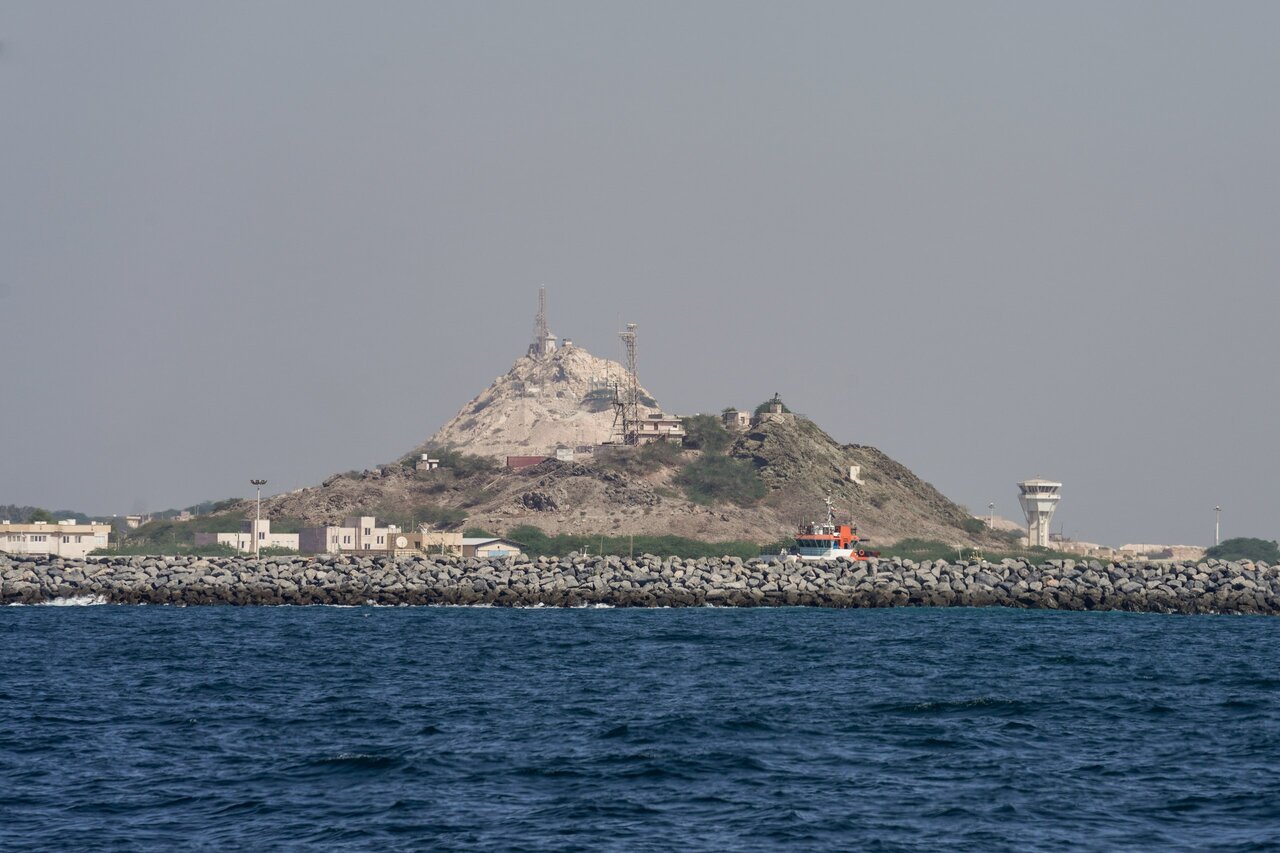
TEHRAN – Iran has designated November 30 as Trio Islands National Day in the Persian Gulf, commemorating its ancient sovereignty over Bu Musa, Greater Tunbu and Lesser Tunbu islands, as the country continues to face illegal claims from the United Arab Emirates in its 53rd anniversary.
According to recent World Population Review rankings, Iran is officially recognized as the world’s oldest country in terms of the oldest known organized government and sovereign identity, dating back to 3200 BC. Throughout much of this ancient history, various Iranian empires maintained control and sovereignty over the islands of the Persian Gulf, including the Achaemenid, Parthian, and Sasanian dynasties.
The first recorded foreign occupation of the three Persian Gulf islands dates back to the early 16th century when the Portuguese invaded the region and captured strategic points such as Hormuz and Tunbu. This Portuguese presence was eventually abolished by the Iranian Safavids in 1622.
As Portuguese influence waned and Britain sought to establish its supremacy, these Persian Gulf islands once again became the subject of foreign interest. Iran’s rule remained unbroken until the 19th century, when Britain, seeking to secure sea lanes to colonial India, began to challenge Iran’s sovereignty. Interestingly, the 1888 map drawn by the British themselves depicted the islands in the same colors as mainland Iran, recognizing them as part of the country.
Conflict between Iran and Britain over the islands continued until November 30, 1971, when Iranian forces succeeded in driving British forces from the territory. Among the most revered Iranian martyrs who lost their lives in this battle are Captain Reza Sozanchi, Admiral Habib Sargi-Khafridi, and Admiral Ayat Qaani.
The Iranian Navy has proposed that November 30th be designated as National Day for the Trio Islands in the Persian Gulf to commemorate the fallen comrades.
The renewed focus on the trio of islands, which make up a small portion of Iran’s sizeable territory, is due in part to the UAE’s repeated claims to them. Arab states have received significant support from Western countries in this regard, with the EU recently stating that Iran should end its “occupation” of Bu Musa, Greater Tunb and Lesser Tunb.
“Trio Island is one of the 34 islands in the Persian Gulf,” said Dr. Ahmad Banafi, Governor of Bu Musa Region. “But these particular islands hold a geopolitically important position. That’s why the Portuguese and the British tried to occupy them in the 16th and 19th centuries. Western powers are once again paying attention to them through the UAE.”
The UAE’s naval power pales in comparison to the Iranian navy, which analysts believe has become the most formidable force in the Persian Gulf. However, Abu Dhabi is expected to continue making statements that anger Iran. Banafi predicted that these comments would fade over time if Iran takes advantage of the islands’ vast potential.
“Greater Tunbu, Lesser Tunbu and Bu Musa have the potential to become Iran’s economic hub due to their ideal locations,” the governor added. “Bu Musa itself has the potential to become a tourist hub with stunning beaches and greenery unprecedented in the region.”
The Iranian Navy appears to be working with the government to oversee the development of the Trio Islands. The designation of the new calendar was made following the suggestion and follow-up of Navy Commander Rear Admiral Shahram Irani, the Navy Press Office said in comments to Tehran Times. “This move was aimed at strengthening the symbols of the Islamic Republic of Iran’s sovereignty in the Persian Gulf and countering the baseless claims of its enemies,” the secretariat added.
Members of Iran’s parliament’s National Security and Foreign Policy Committee said last year that strengthening infrastructure on Abu Musa, Greater Tunbu and Lesser Tunbu islands had become a national priority. Development plans for these islands are already underway and are expected to gain momentum following recent EU comments.