
Tehran – Following the 12-day Israeli attack on Iranian soil, the country is actively involved in recovery and reconstruction efforts. Beyond the tragic lives and injuries sustained by civilians, the attacks have been damaging urban infrastructure, particularly cultural and artistic communities.
While many artists and cultural figures suffer direct physical harm, the destruction of homes, studios and cultural venues affects personal and professional lives, leaving deep scars beyond immediate physical damage.
However, Iran’s cultural community responds with strength and determination, and works together to restore creative spaces and support its members. The resilience of artists and cultural figures underscores Iran’s commitment to maintaining a rich cultural heritage and promoting renewal despite the challenges they face.
Two weeks after the ceasefire was announced, the Ministry of Culture and Islamic leadership has established a specialized task force to assess the extent of damage caused to the country’s cultural and artistic sectors, ISNA reported Tuesday.
The team’s primary responsibility is to accurately identify affected individuals, estimate the level of damage and devise measures to support recovery, the report added.
Efforts are underway to work with relevant organizations to conduct on-site inspections of damaged properties, provide low or interest-free loans, and to promote temporary housing for displaced people.
The damage assessment reveals that destruction extends to religious places such as homes, offices, bookstores, printing presses, cultural institutions, and even churches. In some cases, the destruction has made the home unable to live in or make it impossible for artists to resume activities in affected locations. In the case of minor damage, such as crushed windows and cracked walls, psychological and professional casualties are still substantial, forcing many artists to leave the house or halt creative pursuits.
Deputy Culture Minister Niknam Hoseinipur reported that the initial review recorded around 52 cultural workers, including publishers, bookstores, filmmakers, journalists and artists. This figure is preliminary and is expected to rise as ongoing evaluations continue. Data is collected through specialized departments within the ministry, and further cooperation with ART credit funds aims to improve the estimated damages in target support.
Among the affected people is Keevan Sackett, a well-known musician and composer who lost a residence near Evin Prison, which was targeted during the attack, to deprive the serious structural damage from the explosion waves, making it impossible to live. Additionally, his collection of instruments, personal notes and artistic memorabilia has been destroyed, representing a significant cultural loss.
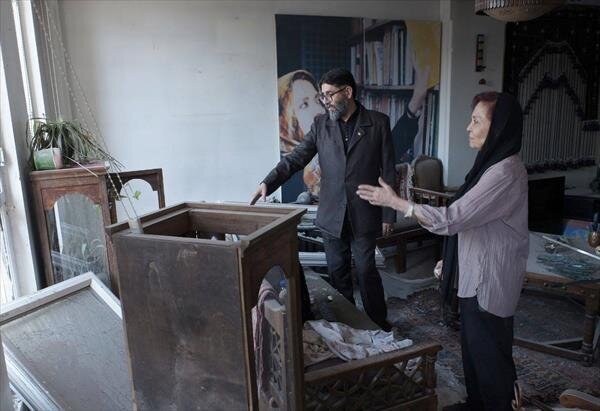
Another case includes actress Mariam Motarev, who was seriously damaged by a home on Savonc Street during the explosion. The windows, cracked walls and loss of electricity and gas services forced her to seek temporary shelter with her relatives. The association’s veteran artist reports that initial reconstruction efforts, including the installation of new windows, are ongoing to restore her residence.
The office and home of famous playwright Akbarradi on Keshawarts Boulevard in central Tehran was also destroyed due to the attack.
Also, Radi’s house, which housed his personal office, was part of a six-storey building, all of which had been demolished.
Additionally, members of House of Cinema visited the homes of artists affected by the Israeli attacks, assessed the damage and oversaw continued recovery efforts.
Many of the damaged properties are rental units, further complicating recovery efforts. Because destruction often exceeds the capacity of immediate resettlement, Art Credit Funds prioritize site visits and provision of emergency loans or temporary accommodation subsidies to reduce the burden on affected artists.
In addition to government initiatives, the Association of Professionals has been mobilized to support their members. For example, the Radi Foundation is committed to promoting new rental arrangements for artists who cannot live in damaged homes. The Veteran Artist Institute also offers interest-free emergency loans to help artists navigate the crisis in the short term.
Although current measures primarily include financial aid and temporary housing, such support is important in reducing the psychological tension of losing a home and a livelihood. These limited but targeted efforts could play a key role in helping artists regain stability during these disrupted times.
Although the full extent of the damage has been appreciated, the collaborative efforts of government agencies, professional associations and cultural institutions highlight Iran’s resilience and solidarity in protecting cultural heritage and supporting artists throughout this challenging era. As research continues, there remains hope that these initiatives will help restore the creative spirit and cultural structure of the nation.
Early on Friday, June 13, a series of terrorist attacks carried out by the Zionist regime targeted Tehran and several other Iranian cities, bringing the martial arts of many military commanders, scientists and innocent civilians.
In response to the Savagezionist attack, Iran’s Islamic Republic launched Operation True Promise 3 on Friday night, unleashing a barrage of missiles on the occupied territories.
Israel attacks target areas within Iran, which were not military facilities, resulting in the tragic loss of lives of innocent civilians, including women and children. The incident sparked rage not only among Iran but also among international observers.
Photo: Actress Maryam Motaref shows the extent of damage to her home caused by Israeli attacks on Iran.
sab/