
The announcement comes shortly after a widely published astronomical event that has captivated the country’s scientific community and amateur astronomers.
Speaking to Tasnim News, Iran’s Space Agency (ISA) head Hossein Salarier highlighted the excitement surrounding the recent heavenly phenomenon that attracted journalists, scientists and enthusiasts to the space organization’s observatory for live viewing.
The event was an incredible opportunity to advance space exploration and showcase our commitment to attracting the public, he said.
The rally highlighted Iran’s presence in the Global Space Arena, combining cutting-edge scientific efforts with public outreach.
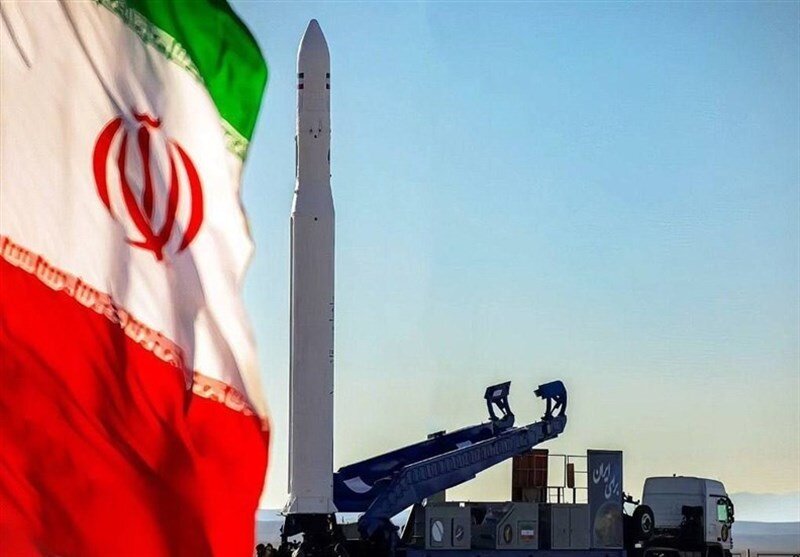
Future launches of Kowsar, Zafar and Paya are poised to strengthen Iran’s capabilities in satellite technology.
Equipped with an advanced imaging system, Kowsar provides high-resolution data for applications in agriculture, urban planning and environmental monitoring.
Zafar, meaning “winning,” is designed to strengthen communications networks, particularly in remote areas, but PAYA focuses on weather monitoring and disaster preparedness.
Dr. Salarier noted that targeted launches this fall could face slight delays due to rigorous technical testing. “Accuracy is paramount,” he emphasized.
He added that these satellites are guaranteed to meet the highest standards.
In addition to the trio, Dr. Sararier unveiled plans for the Nahid 2 satellite, a narrowband communications platform to expand internet access to underserved areas.
He also teased the upcoming announcement of the Shaheed Soleimani system, a satellite constellation designed for robust and reliable connectivity.
The system represents an important step towards independence in space technology, he said, adding that the test samples are nearing completion.
The announcement illustrates Iran’s plan to strengthen its space exploration position amid the global technological advancement race.
As preparations continue, national scientists and engineers are working tirelessly to ensure the success of these missions.
MNA/Press TV