
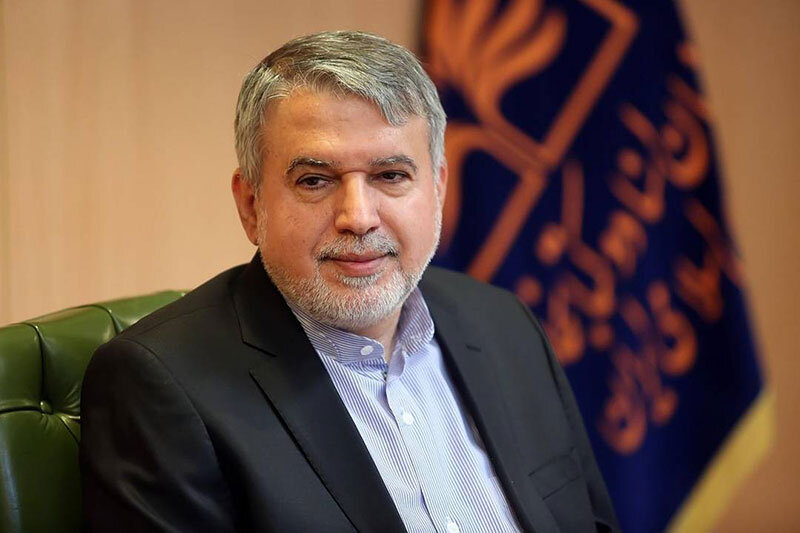
TEHRAN – Iran ranks among the top 10 countries in the world in terms of the number of UNESCO-listed heritage sites and their elements, Minister of Cultural Heritage, Tourism and Handicrafts Seyyed Reza Salehi Amiri said on Thursday during a visit to historical sites in Zanjan.
Foreign Minister Salehi Amiri told reporters on the sidelines of the visit that Iran has so far registered 29 tangible and 28 intangible elements on UNESCO’s list. He added that Iran, which has 57 items on its National Tentative List, has been the only country in a position to nominate at least one World Register site every year for decades.
However, he did not mention the names of other countries regarding this ranking.
Salehi Amiri said Iran’s ranking could have been higher had it not suspended the nomination process for nearly 20 years after the 1979 Islamic Revolution and the Iran-Iraq war. “If not for that interruption, Iran would now be one of the world’s leading powers (in this regard),” he said.
He said several Iranian dossiers are awaiting review for possible inscriptions, including Alamut Castle, the historic village of Masre, a complex of centuries-old mosques and other ruins. He said Iran has more than one million designated cultural heritage sites and 43,000 nationally registered sites, creating “hundreds more” potential global candidates.
Elsewhere in his remarks, the Minister emphasized the heritage potential of Zanjan province, saying that the province holds much more than Soltaniye Dome, which is a UNESCO World Heritage Site. He said that Zanjan Bazaar is one of the most active historical markets in Iran and may be considered as a candidate for Iran’s historical bazaar in the future.
The minister added that these markets form part of traditional city life and attract domestic and international tourists. “These spaces are connected to everyday urban life, creating a huge attraction for tourists,” he says.
Salehi Amiri said Zanjan now offers a broader tourism profile than before, with natural and historical attractions allowing visitors to stay in the state for several days. He said Soltaniye alone requires a half-day visit, but adding culture, nature, handicrafts and local traditional assets could form a complete tourist route.
The minister said the government aims to expand the number of museums from the current 800 to 1,000 by the end of Iran’s Seventh National Development Plan. According to him, Zanjan province is one of the provinces with the highest museum development capacity.
Nowruz is among Iran’s 28 intangible heritage sites listed by UNESCO. Sade festival. The art of making and playing rabab. Turkmen style sewing. The Art of Lighting (Tajib). miniature art. Chogan, a horse riding game with music and storytelling. Traditional carpet weaving techniques in Fars.
Among Iran’s 29 UNESCO World Heritage Sites is the Armenian Monastery Complex of Iran. Bam and its cultural landscape. Bisotun. Maymand cultural landscape. Golestan Palace. root desert. Pasargadae. Persepolis. Sheikh Safi al-Din Kanega and the Shrine Ensemble. and the Shushtar Historical Hydraulic System.
morning