
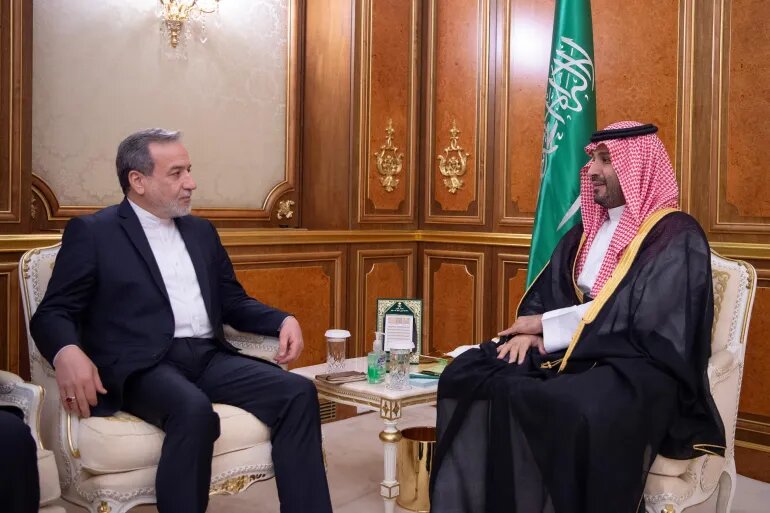
Tehran – The growing friendly relations between Iran and Saudi Arabia have played a key role in promoting peace and security in West Asia over the past few years.
Such heartfelt ties became even more keen focus following the Israeli invasion last month.
On June 13, Israel launched an unprovoked strike on Iranian territory, targeting high-ranking military commanders, nuclear scientists and civilians. The United States later joined Israeli war efforts and launched attacks on three Iranian nuclear facilities. This is widely regarded as a violation of the UN Charter and a violation of the non-proliferation treaty.
With a rapid and powerful response, Iranian forces launched retaliatory strikes over strategic Israeli targets in cities such as Tel Aviv and Haifa, attacking Al Udeid Air Force Base in Qatar, the largest US military facility in West Asia.
By June 24th, Iran’s coordinated operations effectively halted Israel and the US aggression.
The scale and accuracy of Iran’s missile power generation shocked Israel and its western allies, especially the United States.
“Israel has its own sophisticated defences, including systems like the Arrow, David’s Sling and Iron Dome, but the country was running low on its own interceptors, giving away resources by the time the conflict was over.
The Journal also revealed that despite the conflict-raising deployment of two advanced THAAD missile defense systems to Israel, US efforts have proven insufficient to halt the Iranian missile barrage.
“The THAAD operators, operating alongside the Israeli system, burned ammunition with ferocious clips and fired over 150 missiles to shoot down waves of Iranian ballistic missiles,” the paper reported.
The strength of the Iranian attack, according to the magazine, created a very high demand for interceptors who considered diverting the Thaad interceptors who had already purchased by Saudi Arabia to Israel.
“Saudi Arabia has rejected our request to send interceptors to Israel.”
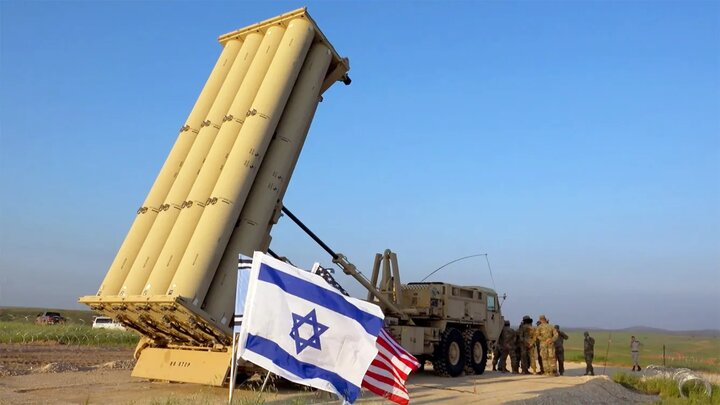
Meanwhile, according to the Middle Eastern eyes cited two American officials, the US asked Saudi Arabia to take over the Thaad interceptor to help Israel, but Riyadh refused the request. “Saudi Arabia refused to help Israel stab officials in Washington,” Mee added.
Saudi Arabia’s “no” to the US highlights serious ties with Iran.
On July 8th, Saudi Arabia’s Crown Prince Mohammed bin Salman (MBS) held a consultation with Iranian Foreign Minister Abbas Aragut in Jeddah. At the meeting, the Saudi Arabian crown prince condemned a military attack on Iran’s sovereignty and territorial integrity. He welcomed an environment of improved cooperation between the two Islamic forces.
Araguchi “thanks Saudi Arabia for his responsible stance on condemning Israeli invasion against Iran.”
He focuses on Iran’s commitment to building stronger relationships with neighbors, including Saudi Arabia, based on the principle of good neighbors and mutual benefit.
Araguchi also held discussions with Saudi Defense Minister Prince Khalid bin Salman and Foreign Minister Faisal bin Fahan to reaffirm the country’s commitment to closer strategic cooperation.
China’s mediation promotes Iran and Saudi Arabia unification for regional stability
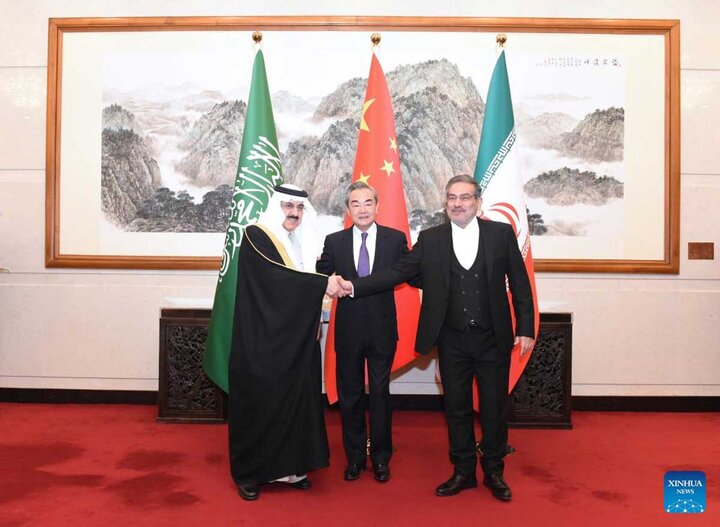
The new diplomatic warmth is rooted in the 2023 agreement mediated by China, where Iran and Saudi Arabia formally restored relations after years of alienation. Since then, constructive mediation in China has played a key role in linking Tehran with Riyadh in closer contact.
As dust settles into the most intense Israeli-Iranian war in recent memory, the strengthened bond between Iran and Saudi Arabia has emerged as a powerful force of Western Asia’s stability. Their growing diplomatic, political and economic cooperation not only reconstructs the strategic landscape of the region, but also provides an attractive alternative to the cycle of escalation driven by Israeli attacks.
Geopolitical rivals Tehran and Riyadh appear poised to lead a new era rooted in sovereignty, mutual respect and collective security. Their united front sends a clear message. Regional peace is preserved not through foreign intervention or militarism, but through regional unity and shared interests.
Iran and Saudi Arabia have demonstrated that in an era of increased volatility, Islamic countries can go beyond division and become pillars of stability. They can defend people, support international law, and resist those who threaten local peace. The path they chose may define the future of West Asia.