
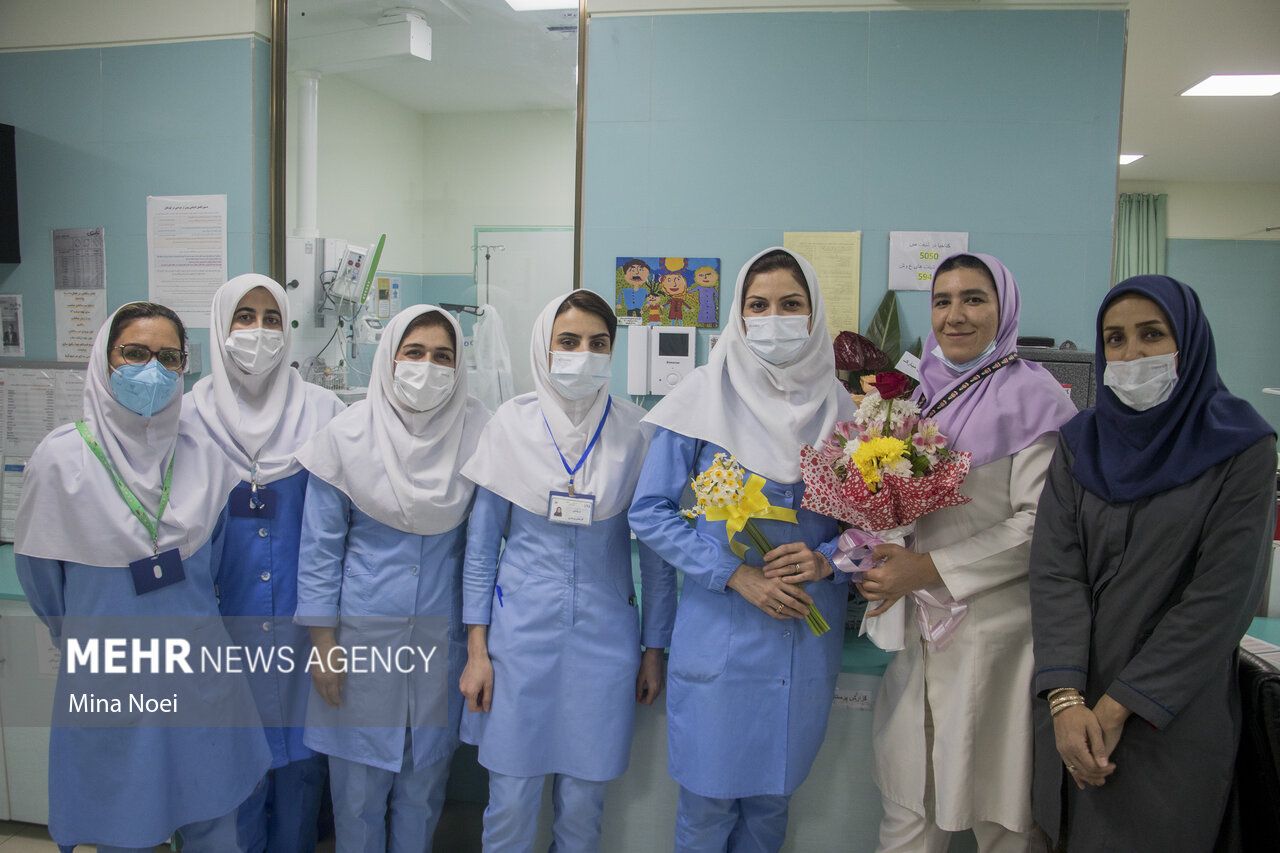
National Nurses’ Day in Iran, which coincides with the birth anniversary of Hazrat Zeinab (SA), is celebrated every year on the 5th day of Jumada al-Awal (the fifth of the 12 lunar months of the Islamic calendar), and this year it fell on November 27.
Nurses play an important role in providing care, comfort, and compassion to patients and their families.
Their mission includes “protecting, promoting, and optimizing health and performance; preventing disease and injury; alleviating suffering through the diagnosis and treatment of human responses; and advocacy in the care of individuals, families, communities, and populations.”

The nurses who have dedicated themselves to the fight against the coronavirus, have endured and sacrificed for patients for more than two years, marking the moments of life while enduring many hardships, should be praised and steps taken to solve the problem.
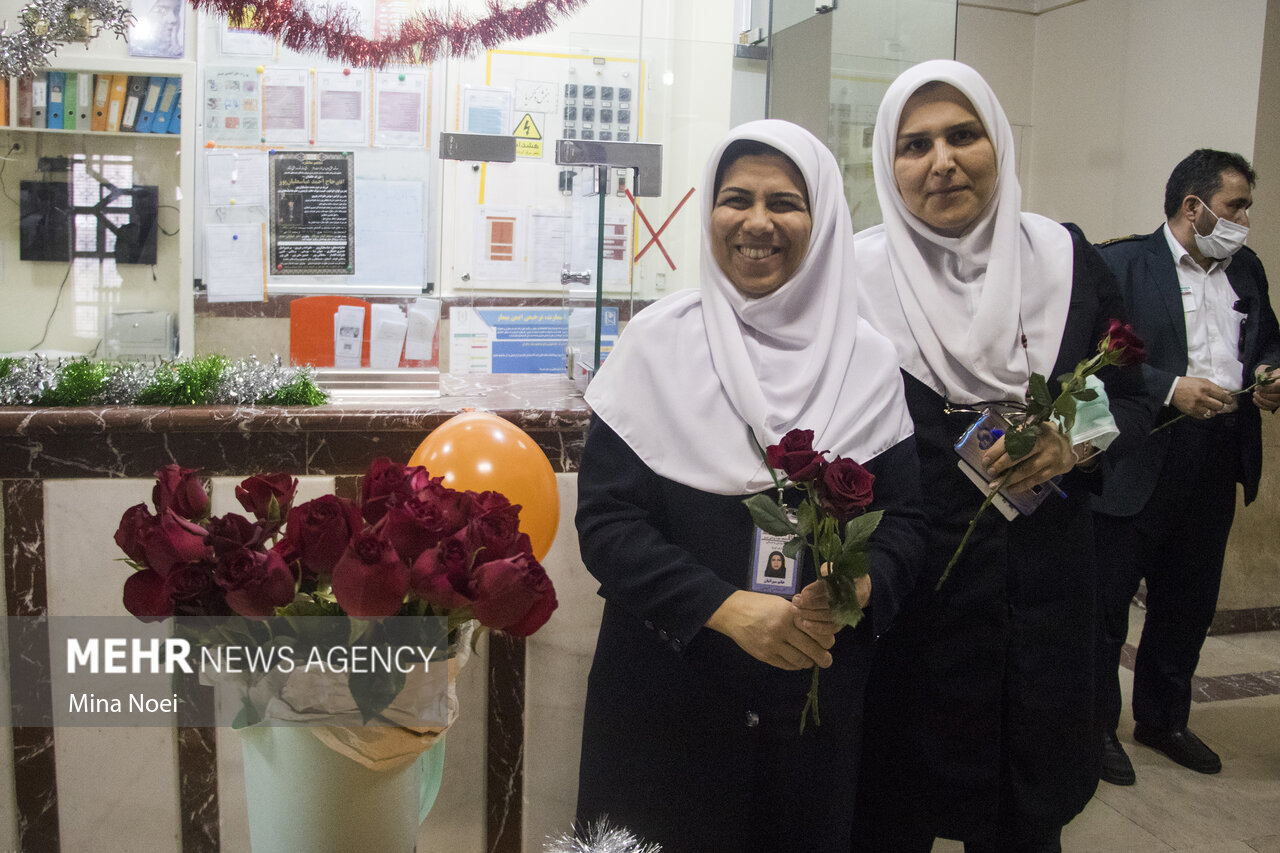
In Iran, Hazrat Zainab’s birthday is celebrated as Nursing Day in recognition of her efforts and sacrifices in caring for Imam Hussein’s son Ali Zain al-Abidin and the children injured in the battle of Karbala.
international nursing day
It is noteworthy that the World Health Organization (WHO) has praised Iranian nurses for their influential role in the fight against the coronavirus pandemic.
International Nurses Day is celebrated on May 12 every year to remember and honor the work of nurses in healthcare. Nursing Day was proposed by Dorothy Sutherland in 1953.

Nursing Day is celebrated to commemorate the contribution of nurses to society. Nurses work tirelessly and dedicate themselves selflessly to the service of humanity. Nursing is the world’s largest medical profession.
In most cases, nurses work in demanding environments where extreme stress is part of the job. However, they have played a major role during the ongoing pandemic, with many lives lost on the front lines of the fight against the pandemic.
A brief look back at the life of Hazrat Zeinab
Zeinab bint Ali (PBUH) was the daughter of the first Shia Imam Ali ibn Abi Talib (PBUH) and Fatima al-Zahra (PBUH), and the first granddaughter of the Prophet Muhammad (PBUH).
She is best known for her courageous and eloquent role in supporting her brother, the second Shiite Imam Hussein, who was martyred in the Battle of Karbala, and defending his family in the months following his Umayyad imprisonment.
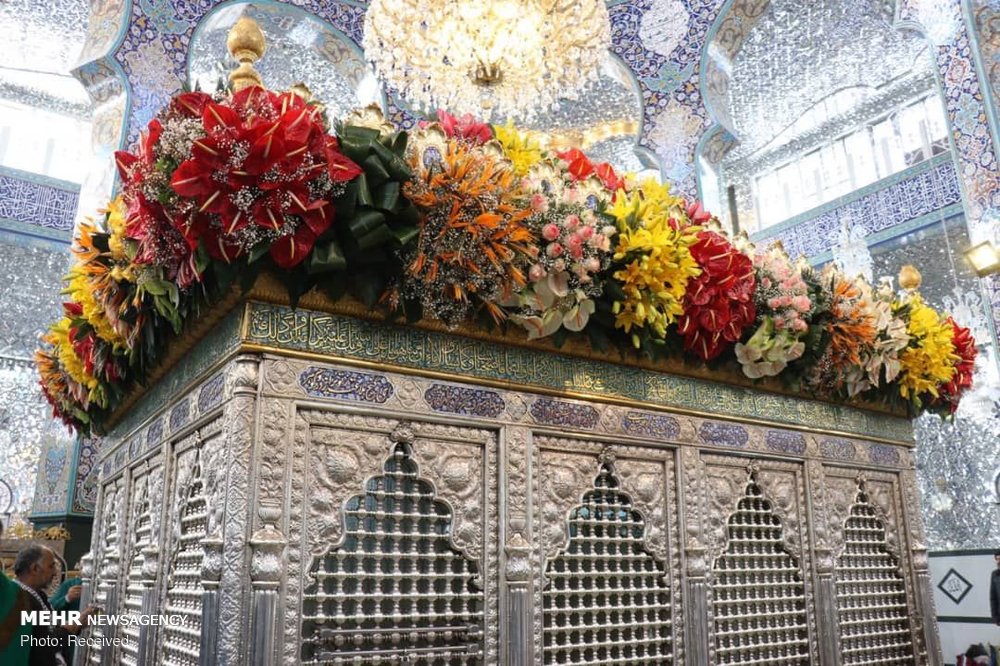
She and her two sons accompanied Imam Hussein (PBUH) to the Ashura event, where the two sons were martyred, and she was taken as a prisoner to Kufa and then to Damascus. Her sermons in Kufa and Damascus (before Yazid) are very famous. Because she experienced so much suffering, she was called Umm al-Masayb (mother of calamities).
According to some hadiths, the Prophet of Islam named her Zeinab. It is said that Gabriel brought this name to the prophet from God. Zeinab literally means “a scenic tree with a beautiful fragrance.”
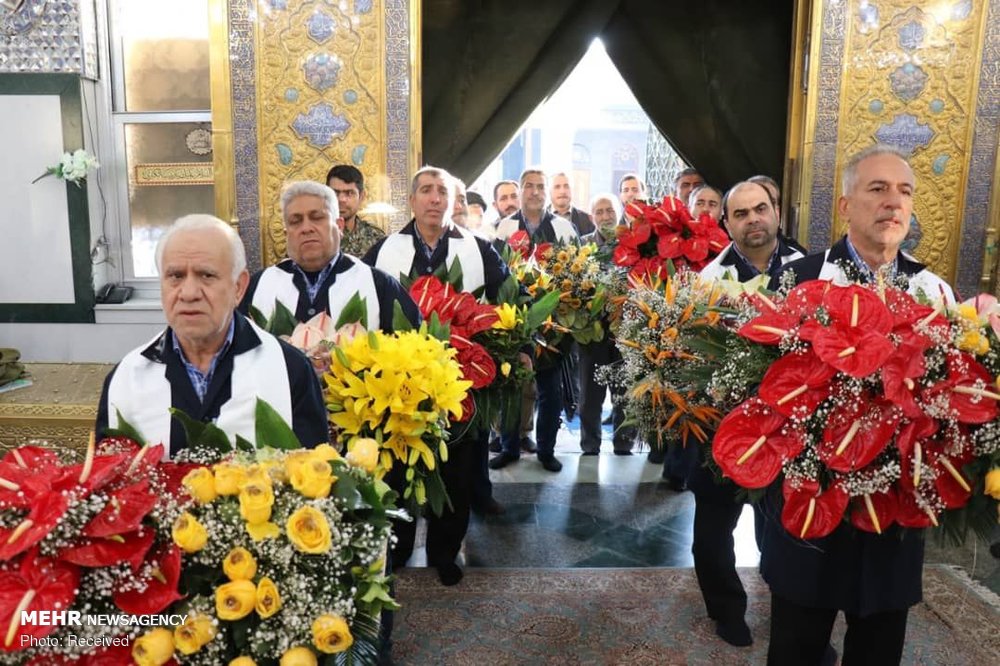
Hazrat Zeinab is best known for his key role in the Karbala incident in 61 AH when he was 55 years old. She witnessed the martyrdom of her children, nephews, companions, and most importantly her beloved brothers Abbas ibn Ali Talib and Imam Hussein.
Her strong upbringing, piety, and nobility did not make her weak in the face of adversity. Therefore, after Imam Hussein’s merciless martyrdom, she became a pillar of support for other women and children. Therefore, she is an example of steadfastness, courage, humility and strength for all of us.
In a highly eloquent sermon reminiscent of Quranic exegesis, Hazrat Zeinab condemned Yazid and many of his actions, focusing in particular on his treatment of the Muhammad family.
Edited by Marji Rahmani