
In the shadow of the devastating war in Gaza, Iran’s Islamic Republic is taking advantage of global rage and implementing a sophisticated, multifaceted diplomatic strategy designed to fundamentally change Israel’s position in the international community.
Beyond rhetoric, Tehran’s campaign is a calculated blend of soft power, humanitarian outreach, and relentless political push for the complete isolation of the Israeli regime. This approach is surrounded by the broader doctrine of the “axis of resistance” that places Iran as the main champion of the Palestinian cause.
At the heart of this initiative is a clear strategic directive from Iranian leadership, urging countries around the world to cut ties with Israel, starting with economic ties and expanding to political cuts. Iranian diplomats are now tasked with making this the basis for all bilateral and multilateral debates, from engagement with local neighbours to forums like the UN and BRIC.
At the same time, Iran amplifies its narrative through media diplomacy, highlighting Israeli war crimes and human rights abuses. While providing humanitarian assistance to Gaza, Tehran argues that concrete actions are necessary, not just solutions.
Political and diplomatic support
Iran is actively participating in Islamic and international forums to defend the rights of Palestinians, end Israeli invasions, and seek to lift the blockade of Gaza.
Humanitarian assistance
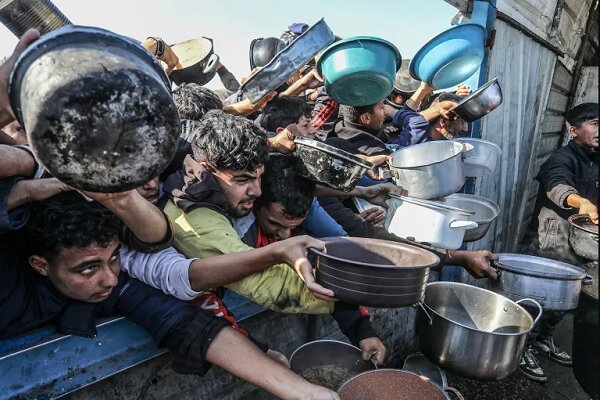
Iran distributes humanitarian aid, medical supplies and essential equipment through various channels to alleviate the suffering of civilians in Gaza.
These efforts are coordinated through coordinated organizations and formal channels to ensure effective delivery.
Diplomatic Initiatives and Political Solutions
Tehran is pursuing diplomatic measures to achieve a ceasefire, reopen the Gaza Strip and establish a humanitarian corridor.
Media and the shape of the story
Through media diplomacy and international involvement, Iran aims to publish a true story about Palestinian rights and Israeli human rights abuses and raise global awareness.
Important Strategic Directives
Ayatollah, a recent speech by the leader of the Islamic Revolution, made Ali Khamenei a saiei to the government and outlined clear foreign policy priorities. It urges the country to cut ties with Israel, starting with economic ties and expanding with the political. This multi-tiered strategy could potentially be largely separate and trusted at the global stage, if implemented consistently.
The leader emphasized that economic liberation should precede political cuts as reducing trade and commercial cooperation is more feasible and politically costly for many countries.
Historic precedents show that even countries reluctant to break diplomatic relations may be willing to limit economic interactions, such as halting oil and gas sales or closing ports to Israeli ships.
This call is expanding beyond Islamic countries. The growing countries around the world are already beginning to reduce ties with Israel, indicating the significant international potential of this policy.
As a result, Iran’s foreign ministry and diplomatic institutions prioritize promoting bilateral and multilateral withdrawal from Israel in international dialogue.
Changing Global Order
The world is gradually moving towards a new international order shaped by unpredictable development. One such catalyst was Operation Al-Aqsa Storm, which revealed Israel’s vulnerability and increased its global isolation.
Today, Israel is widely regarded as a Parian regime for its actions in Gaza, including genocide practices, blatant violations of international law and expansionist policies. Opposition to Tel Aviv has become the dominant global discourse.
National diplomacy also plays an important role. Unlike in the past, when Palestine was the subject of taboos in several countries, the Palestinian flag now flies to the streets of Europe, the United States and Australia. Grassroots moves, including those promoting boycotts, sales and sanctions on Israeli products, are under informal but effective pressure. The synergy of official diplomacy and public advocacy paves the way for comprehensive Israeli isolation.
Reported by Tohid Mahmoudpour