
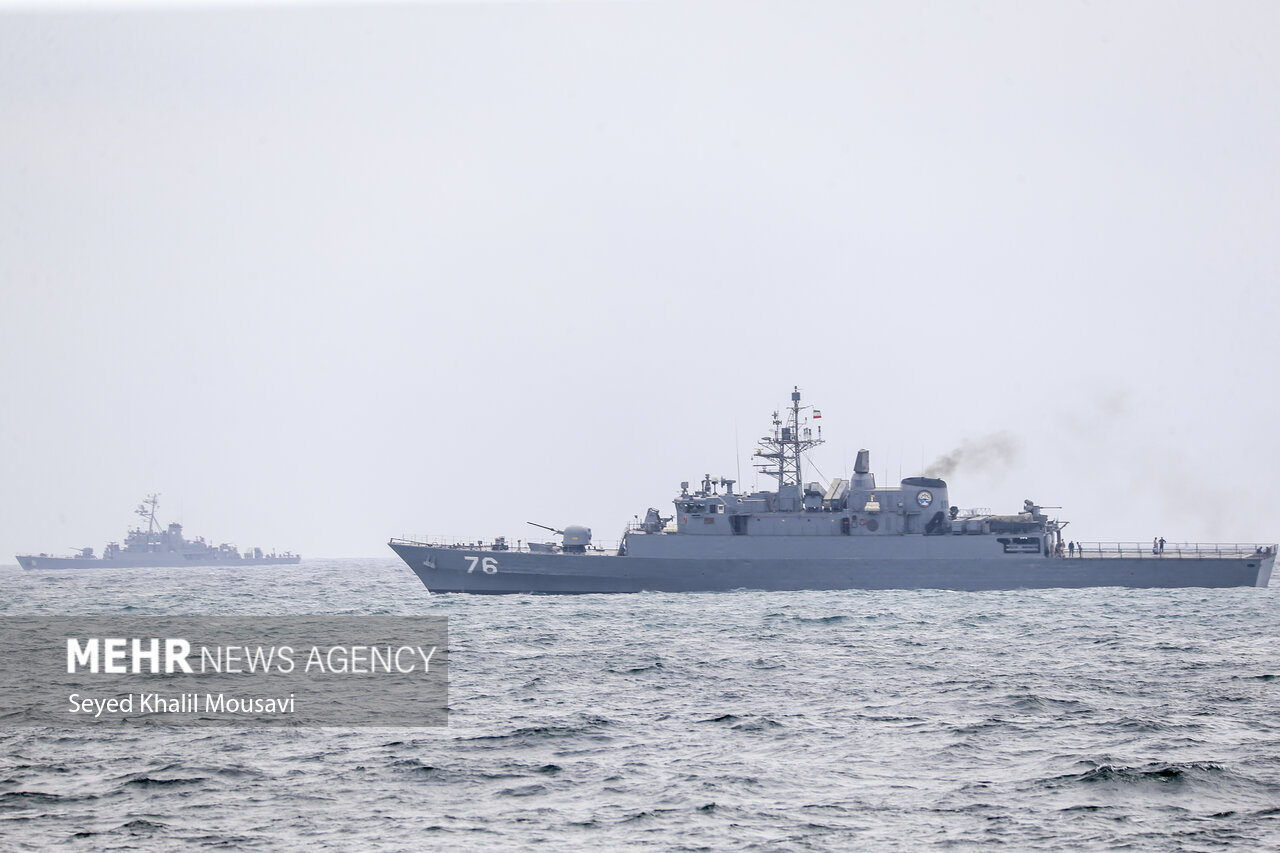
Sixteen years after joining the fleet, the ship, a member of the Iranian-designed Mawzi-class warships, has been recommissioned with significantly expanded operational capabilities.
A return to centuries of indigenous warship building
The launch of Jamaran in 2010 marked Iran’s re-entry into the very small group of nations that can independently design and manufacture major naval surface combatants. Before the Mawj project began in the mid-2000s, the last recorded era of indigenous Iranian warship construction dates back to the Safavid era, when giant “grab” and “gorab” ships operated in the Persian Gulf.
With Jamaran, Iran has placed itself among fewer than 15 countries with the ability to design and build destroyers.
Major Upgrade: Jamaran Modernization in 2024
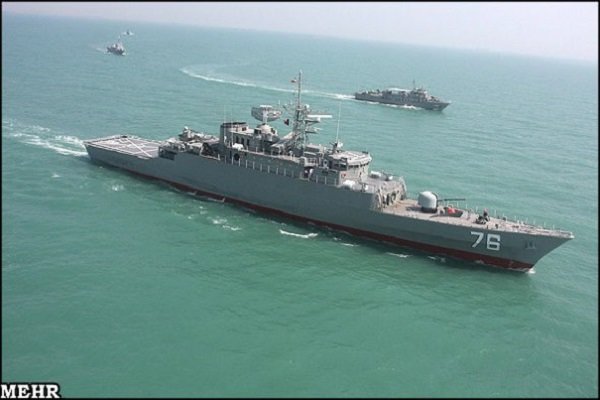
Recent modernization reportedly increased the destroyer’s combat efficiency by “at least five times” compared to its original 2010 configuration. Images and official information indicate that nearly all major operational systems have been redesigned or replaced.
Radar and Sensors: Traditional radar was replaced by an advanced Iranian phased array radar, possibly derived from the “Bavar” or “Eagle Eye” systems, which significantly extended the airborne detection range (more than 200 km) and improved tracking accuracy.
Air Defense: A new Vertical Launch System (VLS) for medium-range surface-to-air missiles with an estimated range of 50-120 km was installed.
Anti-ship missiles: The older Nour and Qadr missiles have been replaced by longer-range systems, including modern versions of the Ghadir and equivalent 300-kilometer-class anti-ship cruise missiles.
Electronic Warfare: Jamaran received a new generation jamming, deception, and radar warning suite designed to counter advanced anti-ship threats.
Propulsion and Endurance: Enhanced engines, expanded fuel and freshwater capacity, and upgraded damage control systems enable missions lasting up to 60 days without shore support.
16 years of operational experience
Throughout its service life, the Jamaran has played a central role in Iranian naval missions.
It escorted more than 4,500 Iranian merchant ships and tankers through the Gulf of Aden and Bab al-Mandeb.
It joined a large number of Iranian naval fleets deployed on the high seas.
It has successfully countered dozens of pirate attacks and maritime threats.
It participated in large-scale exercises such as Exercise Velayat, Exercise Zolfagar, and trilateral exercises with Russia and China.
Crews of several foreign ships were rescued in the Indian Ocean.
New Mission: From the Persian Gulf to the Heart of the Sea
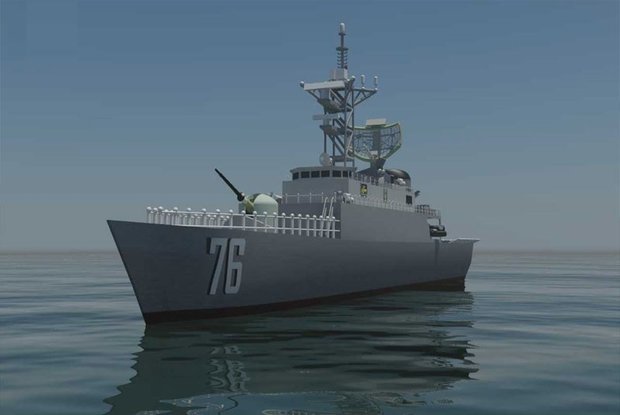
Jamaran is currently operating in the Indian Ocean with several clear objectives.
Participation in large-scale international naval exercises – perhaps in the Indian Ocean region or involving members of the Indian Ocean Rim Association (IORA).
Escort missions for commercial convoys along high-risk maritime routes.
Visits multiple countries as part of naval diplomacy and flag raising activities.
Practical testing of newly upgraded systems under marine conditions.
More than just a destroyer: a symbol of Iran’s maritime ambitions
The Jamaran’s redeployment after extensive refurbishment means more than just a normal naval mission. This demonstrates the maturity of Iran’s maritime defense industry, which can independently design, build, operate, overhaul and modernize major surface combatants.
The upgraded destroyer underscores Iran’s ambition to protect its maritime interests far beyond its territorial waters and maintain a long-term presence in strategic international waterways.
MNA