
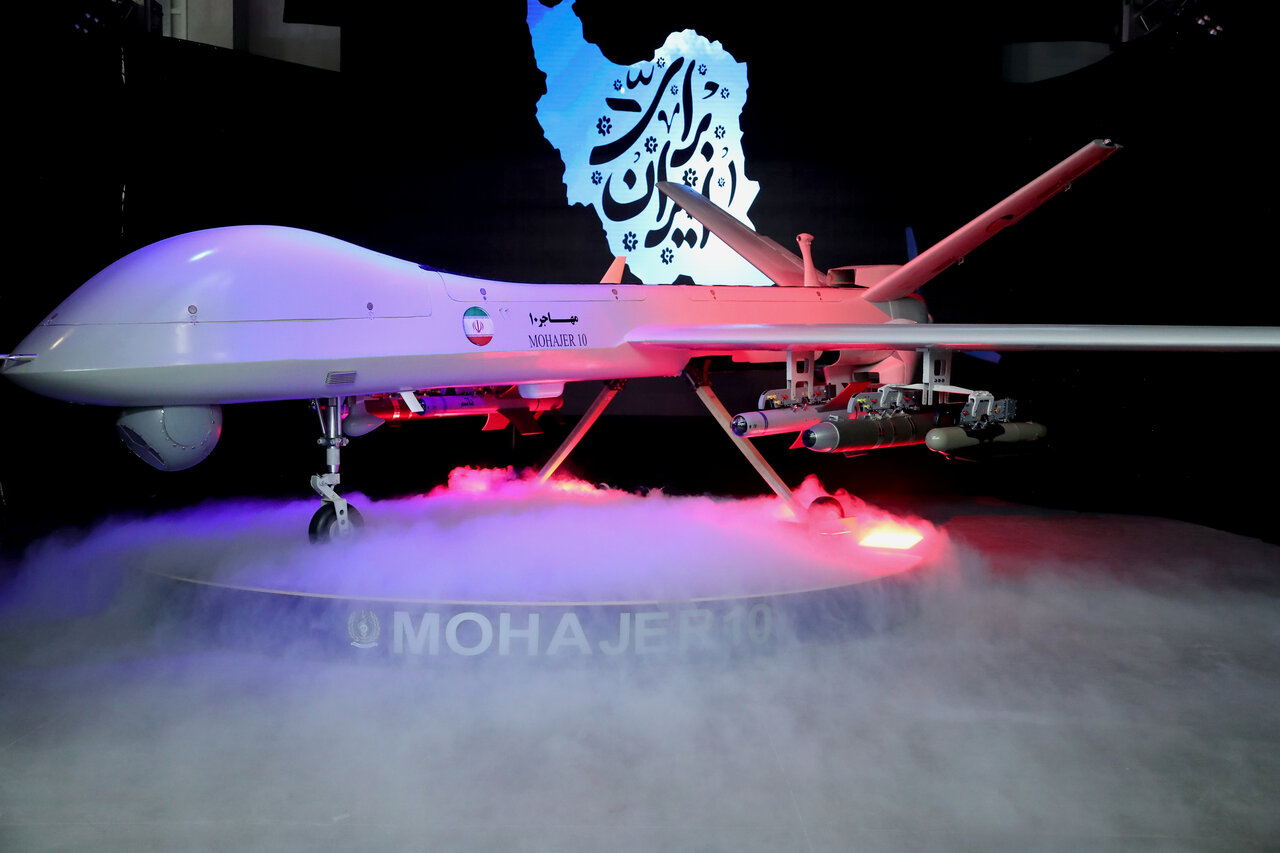
Originally designed as a lightweight reconnaissance tool for front-line surveillance, the platform has steadily grown over four decades into a collection of sophisticated UAVs used for surveillance, target acquisition, military operations, and strategic deterrence.
What began as a basic unmanned aerial vehicle has now become a central pillar of Iran’s air defense doctrine, with the Mohajer series repeatedly proving its worth in both domestic security missions and sensitive regional situations. Drone capabilities range from intelligence gathering and border surveillance to precision strikes and advanced electronic surveillance, all drawn from the same technological lineage.
A wartime invention that ignited the entire UAV industry
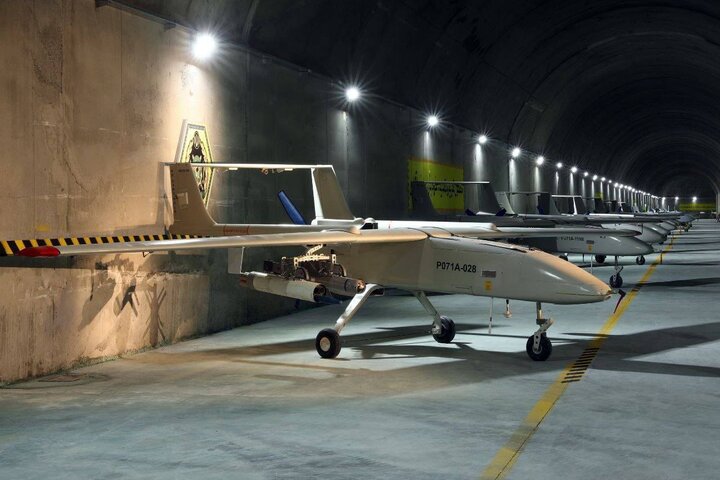
Developed under wartime pressure, the first Mohajar drone had a simple but vital mission: observe enemy positions, assess damage, and provide real-time battlefield awareness at a time when Iran faced a critical lack of air intelligence.
Despite its simplicity, Mohajar 1 opened the door to entirely new national capabilities. Its effectiveness prompted continued research that eventually led to improved engines, improved airframes, increased range, and more complex payloads. Each new generation reflected Iran’s expanding technological capabilities despite decades of sanctions and foreign restrictions.
There are currently multiple variants of the Mohajar family, each designed for missions such as reconnaissance, artillery modification, coastal surveillance, tactical combat missions, and guided attack operations.

Build features: Mohajer-1 to Mohajer-10
Over time, the platform expanded beyond its original reconnaissance capabilities. Later generations were equipped with high-resolution cameras, thermal imaging systems, GPS-assisted navigation, and more advanced data links. Many variants carry multiple payloads and have longer endurance, enabling missions unimaginable during wartime.
Today’s advanced models, such as the Mohajar 6 and Mohajar 10, have strike capabilities, precision-guided munitions, and long-range endurance, turning the Mohajar series into a multipurpose system that is central to Iran’s UAV strategy.
The evolution of the Mohajar series shows how Iran’s defense industry has adapted to international pressure by prioritizing self-sufficiency and developing technology that can function in complex operational environments with limited external support.
Operational significance in Iran’s overall security environment
The main mission of Mohajar drones remains intelligence, surveillance and reconnaissance (ISR). They are deployed to monitor borders, secure remote areas, track illicit movements and support operations against terrorist groups. The ability to fly for extended periods of time, track targets, and transmit live images increases the power of ground units.
In addition to domestic missions, the Mohajer series has also played a role in regional operations requiring real-time information and rapid deployment. Its cost-effectiveness, ease of maintenance, and adaptability make it a critical asset in a variety of tactical scenarios, from counterterrorism operations to coordinated military exercises.
A symbol of Iran’s resilience under sanctions
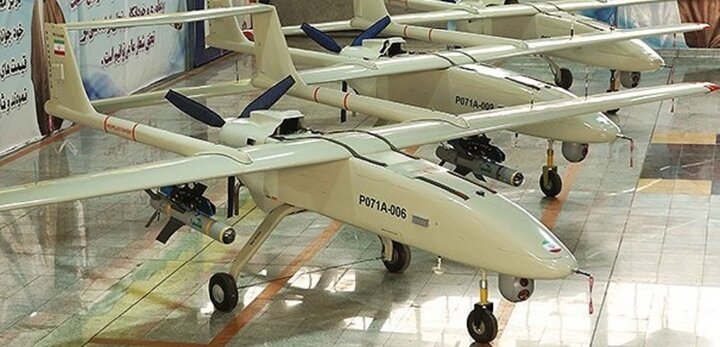
Beyond its military achievements, the Mohaja program symbolizes Iran’s determination to develop independent defense technology. Created under years of economic pressure, drones embody a philosophy of resistance through innovation, a concept deeply embedded in Iran’s broader security thinking.
The journey from Mohajar 1 to Mohajar 10 reflects not only technological advances but also a nation’s story of its ability to transform necessity into capability. The drones represent Iran’s determination to reject dependence on foreign military suppliers and improve domestic expertise in electronics, aerodynamics, propulsion, and weapons integration.
Regional Conflicts and the Expanding Role of Mohajah
Although the ISR remains its foundation, the combat capabilities of the Mohajars have made it the center of regional deterrence. These drones have demonstrated their ability to support strategic operations in various test exercises and conflicts, including the recent tensions and 12-day conflict with Israel.
Deploying unmanned aircraft would send a broader message about Iran’s evolving military posture: that unmanned aircraft are a core component of modern defense planning, not an auxiliary measure. The Mohajer line is one of the most notable vehicles for this change due to its versatility.
Conclusion: 40 years of growth and one enduring legacy
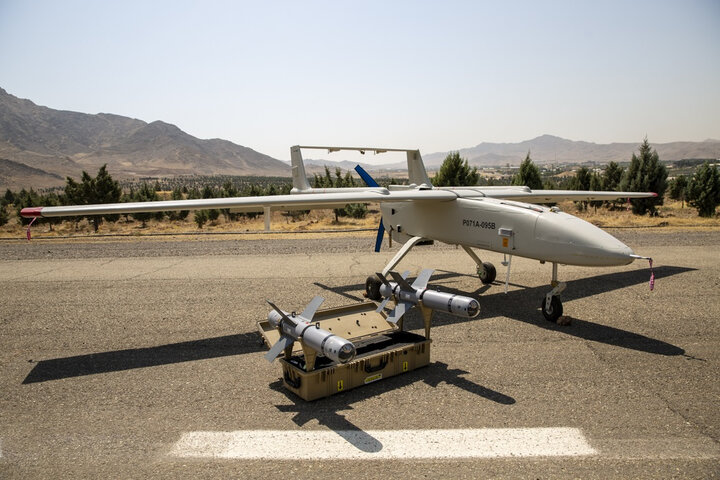
Four decades after its creation, the Mohajah program remains one of Iran’s most important defense achievements. What began as an impromptu wartime innovation has become a family of sophisticated multipurpose UAVs essential for national security, intelligence gathering, and regional deterrence.
The evolution of the Mohajar drone reflects Iran’s broader journey of adapting under pressure, innovating under constraints, and developing technology to protect its sovereignty in an increasingly complex strategic environment.
With continued upgrades and the arrival of new models, the Mohajar series is likely to remain the defining feature of Iran’s air defense capabilities for years to come.
MNA/6665932