
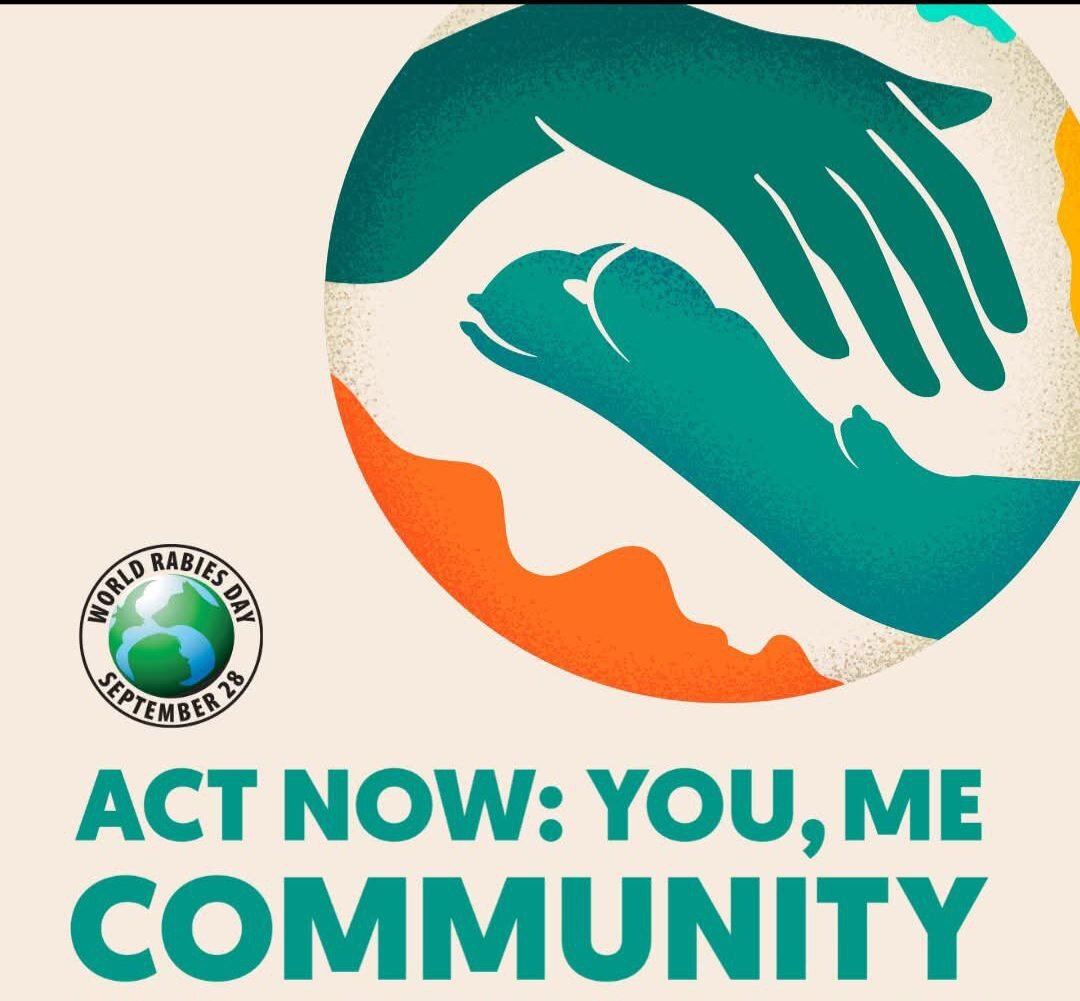
Tehran – World Rabies Day, observed annually on September 28th, aims to raise public awareness about rabies prevention and what to do in a sip. In this line, Iran’s Pasteur Institute will host special programs both in-person and online.
The main purpose is to strengthen rabies and its potential risks, ways to prevent them, and to strengthen cooperation between government and non-governmental organizations, the Ministry of Health website cited Qobad Moradi, a health ministry official.
Rabies is a fatal but preventable viral disease affecting the central nervous system. In up to 99% of human rabies cases, dogs are responsible for the spread of the virus. Children between the ages of 5 and 14 are frequent victims. Rabies infects mammals such as dogs, cats, livestock and wildlife.
It spreads through saliva to humans and animals, and usually comes into direct contact with mucus, wounds, or mucous membranes (e.g., mouth, mouth, open wounds, etc.). Rabies is virtually 100% fatal when clinical symptoms appear.
The theme of this year’s World Rabies Day is “Acts Now” by “You, Me, Community.” He noted that the theme underscores the importance of promoting inter-sector engagement and cooperation in preventing disease.
The event serves as a great opportunity to showcase the outcomes, measures and challenges in disease management, Moradi added.
For the first time in its 19-year history, the WRD theme does not include the term “rabies,” indicating how well this movement has been established. We are calling on everyone to take responsibility, work together and promote real change. Whether you’re an individual, part of an organization, or a decision maker, the time to act is today.
You – Take action in your personal life: Educate yourself on how to vaccinate your dog and prevent rabies and pre- and post-exposure prevention, or defend better policies.
Me – Example: Inspire others, train professionals, and support rabies elimination efforts in the community.
Community – Collaboration: Organize vaccination campaigns, educate learners and their families, and promote a stronger rabies elimination program.
The current call to act is the difference between life and death. As a neglected tropical disease (NTD), rabies affects disproportionately poor communities, primarily in Africa and Asia. Every nine minutes, rabies claims another victim, but death is 100% preventable. When we work together, eliminating this disease depends on all of us who act now! Rabies does not need to be fatal if all steps after exposure are taken.
The World Health Organization (WHO) has developed a series of educational films to support community understanding. The film is aimed at a wide range of audiences. Children’s focus is on the importance of how to behave responsibly around dogs and telling adults whether or not they are bitten or hurt by animals.
For parents, teachers and the community, the second film focuses on the important importance of immediate wound cleaning in the event of a bite. For community healthcare workers, the third film highlights important steps to take before seeking further clinical advice.
The WHO, the United Nations Food and Agriculture Organization (FAO), and the World Animal Health Organization (WOAH) aim to achieve the zero-human death goal from rabies by 2030.
mt/mg