
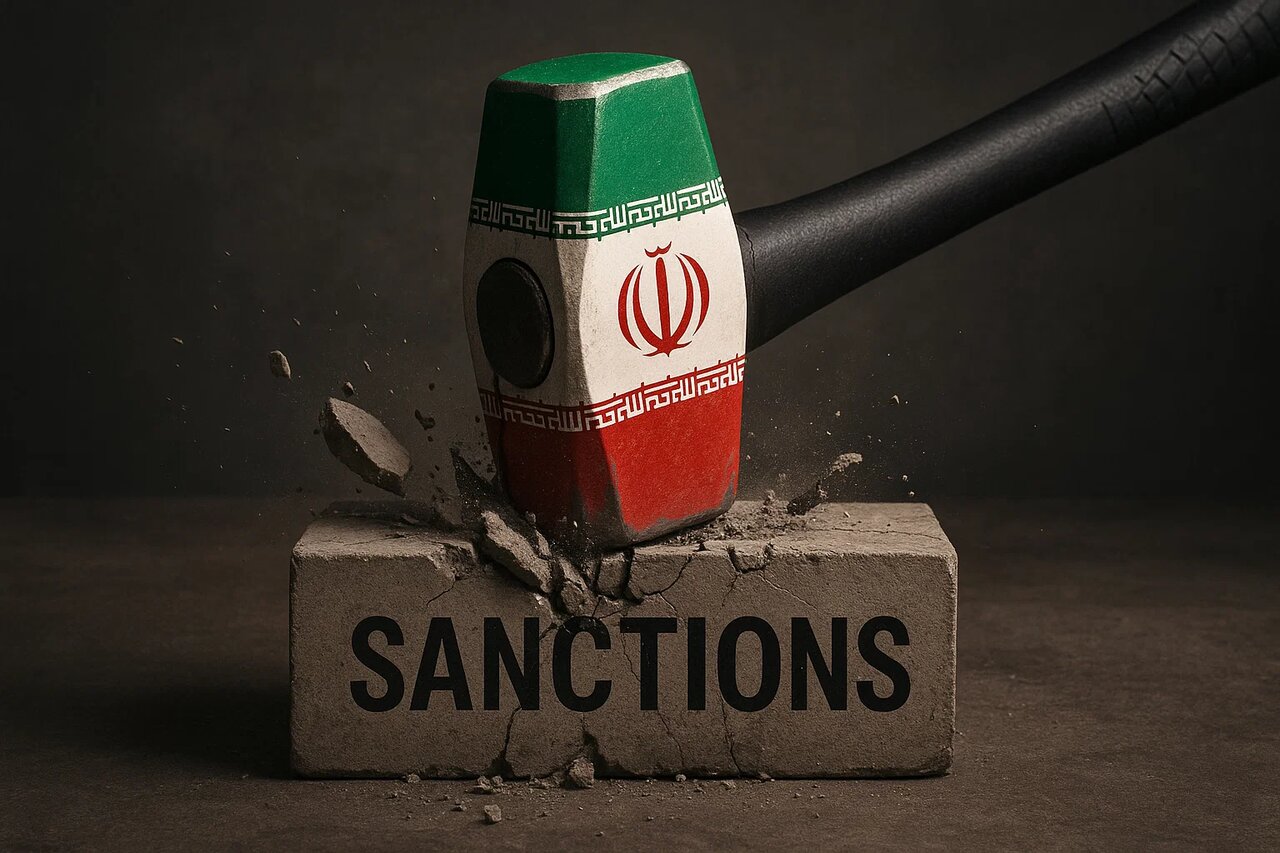
The hard-line from the West suggests a desire to strengthen sanctions rather than negotiate. However, Iran prioritizes neutralizing these measures through domestic strength, a policy known as the “resistance economy.”
By achieving self-sufficiency in key areas such as gasoline production and developing a strategic partnership with the Eastern Bloc, Iran has effectively mitised the effects of external economic pressures.
While on paper, something could happen to the bystanders of the UN General Assembly, leading to an agreement between Iran and Europe regarding Iran’s nuclear program. But the main question is how effective these sanctions are.
For Iran’s Islamic Republic, the answer lies in aggressive and strategic policies that neutralize their effects, rather than waiting for their removal. This approach is the basis of Iran’s economic policy and is based on the fundamental belief that neutralization is an action that depends on Iran’s own will and capabilities, but lifting sanctions is a concession that relies on the political whims of the European and American governments.
This philosophy encourages national efforts to build an economy that is not immune to external pressure.
A major specific example of this successful neutralization is the production of gasoline. For decades, Iran has been a net importer of sophisticated petroleum products, including gasoline, making it easier to supply disruption and market fluctuations.
However, under the pressure of sanctions, the state focused on industrial and technical capabilities to achieve self-sufficiency.
Over the past decade, Iran has not only achieved this goal, but has transformed into a gasoline exporter, turning threats into opportunities.
This achievement represents a broader national movement to neutralize sanctions through internal development. The movement is formally encompassed by the concept of “resistance economy,” a strategic framework highlighted by the leaders of the Islamic Revolution.
The resistance economy is more than just a reactive policy to sanctions. This is a comprehensive blueprint for a resilient, independent, internally driven economic system. Its central principles include reducing dependence on oil revenues, increasing domestic production in all sectors, particularly in knowledge-based industries, and promoting Iranian-made goods.
The focus on domestic production is central to the heartbeat of the neutralization strategy. The repeated calls for Iranians to look inwards and buy Iranians is more than just a slogan. It is an economic obligation. By prioritizing the country’s products, Iran will strengthen its domestic market, create sustainable jobs, and isolate key industries from the shock of external financial and trade restrictions. All tractors manufactured in the country, all drug breakthroughs achieved by local scientists, and all agricultural products harvested from Iranian soil contribute to building a formidable wall against sanctions pressure.
Furthermore, Iran’s foreign policy has been strategically reorganized to complement these domestic efforts.
Rather than being passive, the country actively pursued and strengthened its independent global authority and diplomatic and economic alliances with regional blocs. The Shanghai Cooperation Organization (SCO) and its growing relationship within the BRICS Group is extremely important.
Membership and strengthened cooperation with these blocs, which make up a large part of the world’s population and GDP, will provide Iran with alternative trade routes, financial channels and political support that effectively bypass the unilateral sanctions imposed by the West.
Importantly, this strategy is strengthened, particularly by deep strategic bilateral partnerships between China and Russia. The comprehensive 25-year strategic partnership agreement with China and strengthening military and economic ties with Russia created a reliable, long-term framework for cooperation.
These partnerships ensure a continuous flow of investment, technology transfer and access to vast markets, increasingly obsolete the isolated economic model that Washington and its allies envision. These alliances are more than just diplomatic victory. They are concrete economic arteries that will keep the Iranian economy thriving.
It is undeniable that sanctions cause complications and make the path of quantitative growth more difficult for Iranian states, but ultimately failed to achieve their primary objectives. It will either stop Iran’s progress or force independent policy changes.
This evidence is evident in the prosperity of domestic production, achieving self-sufficiency in key sectors, and in the expanded network of international partnerships.
Sanctions may create bumps on the roads, but they cannot create dead ends. The unwavering will, internal capabilities and dependence on strategic alliances of the Iranian people prove that the path of resistance and self-confidence is the ultimate key to neutralizing all obstacles.
Going forward, Iran’s strategic economic trajectory appears to be heading towards deeper integration with its allies and greater economic diversification. This focus could intensify the development of advanced technology, the expansion of non-oil exports, and strengthening financial infrastructure to reduce reliance on Western-dominated systems.
In collaboration with countries such as Russia and China, the development of alternative payment mechanisms and digital currencies is expected to gain momentum and provide additional protection against financial sanctions.
Furthermore, the experience of navigating and neutralizing Iran’s sanctions serves not only as a national effort, but also as a model for other countries seeking economic independence and sovereignty in a multipolar world.
The principles of resistance economies, emphasizing self-reliance, domestic production and strategic alliances, provide a viable alternative to the Western-dominated economic order, attracting interest and imitation from countries in Latin America, Africa and Asia.
While the West may continue to use sanctions as a tool for hostile foreign policy, Iran’s aggressive neutralization strategy has fundamentally changed the situation.
By prioritizing internal strength, building strategic partnerships, and ensuring its economy functioning independently of the Western system, Iran has shown that sanctions are not an insurmountable obstacle.
Not only did Iran survive the storm, it was determined to become more resilient, independent, and pave its own path to the world stage.
The future promises to continue to focus on integrating these interests, deepening partnerships and expanding their economic impact as key players in the emerging multipolar world.
This shows that the most effective response to sanctions is not simply to withstand them, but to make them irrelevant.
Reported by Tohid Mahmoudpour