
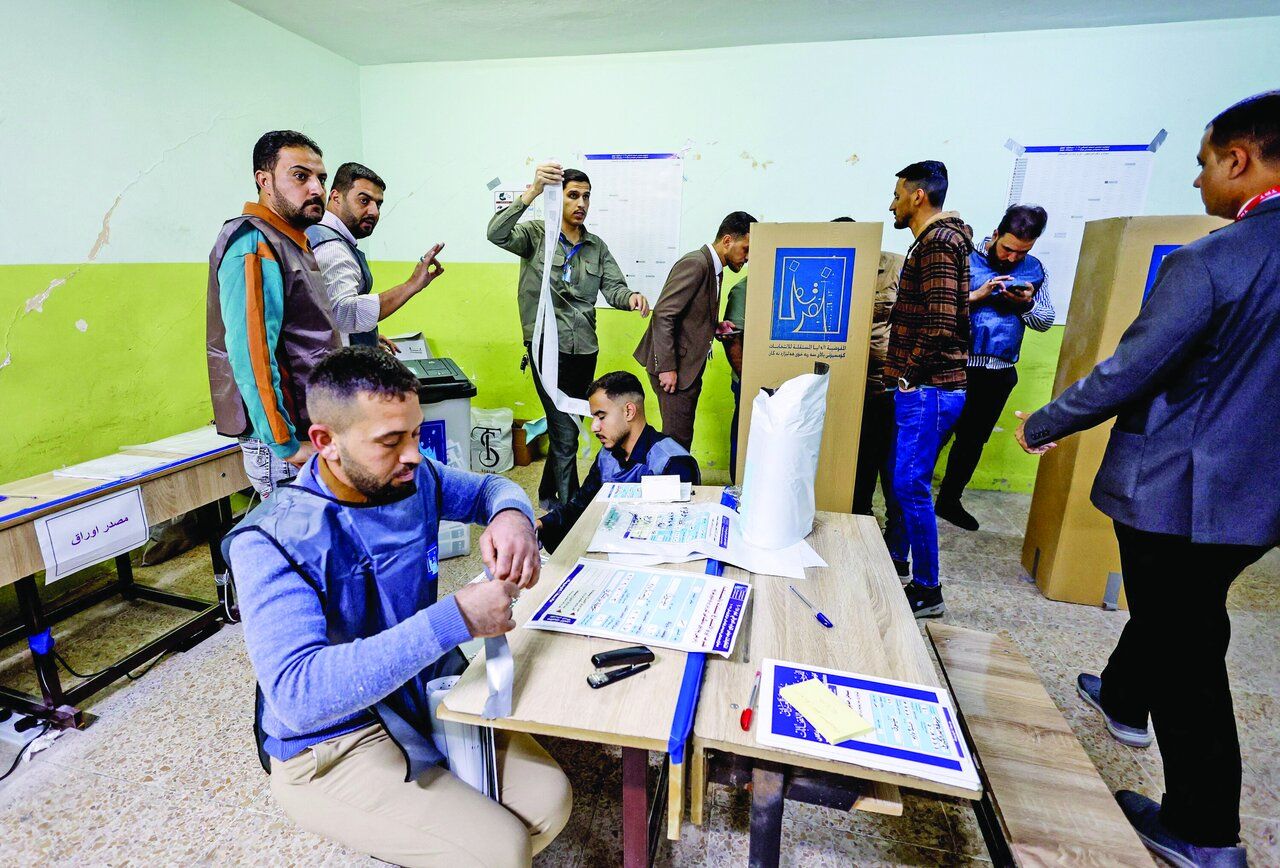
TEHRAN – Iraq’s parliamentary elections have become more than just an exercise in democracy. The election unfolded against a backdrop of regional wars, shifting alliances, and the weight of persistent foreign interference that has shaped Iraq’s modern history. The vote will determine the composition of parliament for the next four years, but the deeper debate is over sovereignty itself: whether Iraq’s future will be determined by its people or constrained by external agendas.
Prime Minister Mohammad Shia al-Sudani, who is seeking re-election for a second term, voted in Baghdad with his mother, pointing to the election as evidence of Iraq’s commitment to a peaceful transfer of power. By law, the vote must take place at least 45 days before the end of the current parliament’s term in January 2026. Iraq’s political system remains structured around sectarian power-sharing, with the presidency reserved for a Kurd, the prime ministership reserved for a Shiite, and the chairmanship reserved for a Sunni. The next prime minister will come from whatever coalition can negotiate the largest bloc, underscoring the centrality of alliances in Iraq’s parliamentary politics.
However, the mechanics of coalition building cannot be separated from the broader context. The boycott of the influential Sadrist movement, led by cleric Muqtada al-Sadr, reflects both internal conflicts and disillusionment with a system repeatedly disrupted by external pressure. Al-Sadr’s coalition won the most seats in 2021, but withdrew after negotiations failed, leaving rival Shi’ite forces in the ascendancy. His absence this week highlights the fragility of Iraq’s democratic process, where internal divisions are often exacerbated by foreign involvement.
The shadow of the 2003 US invasion still looms large. This intervention sparked sectarian tensions and created a vacuum in which ISIS thrived. Even after ISIS was defeated, largely at the expense of Iraqi forces and resistance groups, Washington continues to use its influence to pressure Baghdad to rein in factions it views as hostile to its interests. However, these groups bear the brunt of the fight against terrorism and foreign domination and are widely seen within Iraq as defenders of sovereignty. Their tenacity is a reminder that Iraq’s stability is ensured not by outside forces, but by the resilience of the Iraqi people.
The election also unfolded amid regional turmoil, including wars on Gaza and Lebanon, conflict between Israel and Iran, and the fall of Syrian President Bashar al-Assad last year. These events highlight Iraq’s vulnerability to external shocks, but they also highlight Iraq’s strategic importance. Iraq’s oil, gas, and farmland are increasingly seen as spoils to be exploited by outsiders, reinforcing dependence on the Iraqi people rather than empowering them. Reconstruction projects and economic aid are often tied to foreign affairs, consolidating influence rather than promoting independence.
For Iraqis, the ballot box is not just about representation, it is also about reclaiming their right to self-determination. Each election is a test of whether democratic practices can withstand the pressures of foreign policy. The challenge for the next administration will be to navigate coalition politics while resisting outside orders and ensure that decisions about Iraq’s future are made in Baghdad rather than Washington.
This week’s vote was therefore both a reaffirmation of democratic resilience and a reminder of the unfinished struggle for sovereignty. Iraq’s progress depends not only on parliamentary arithmetic but also on the ability of its leaders and people to protect the country from foreign interference and assert that its resources, politics, and destiny belong solely to the Iraqi people.