
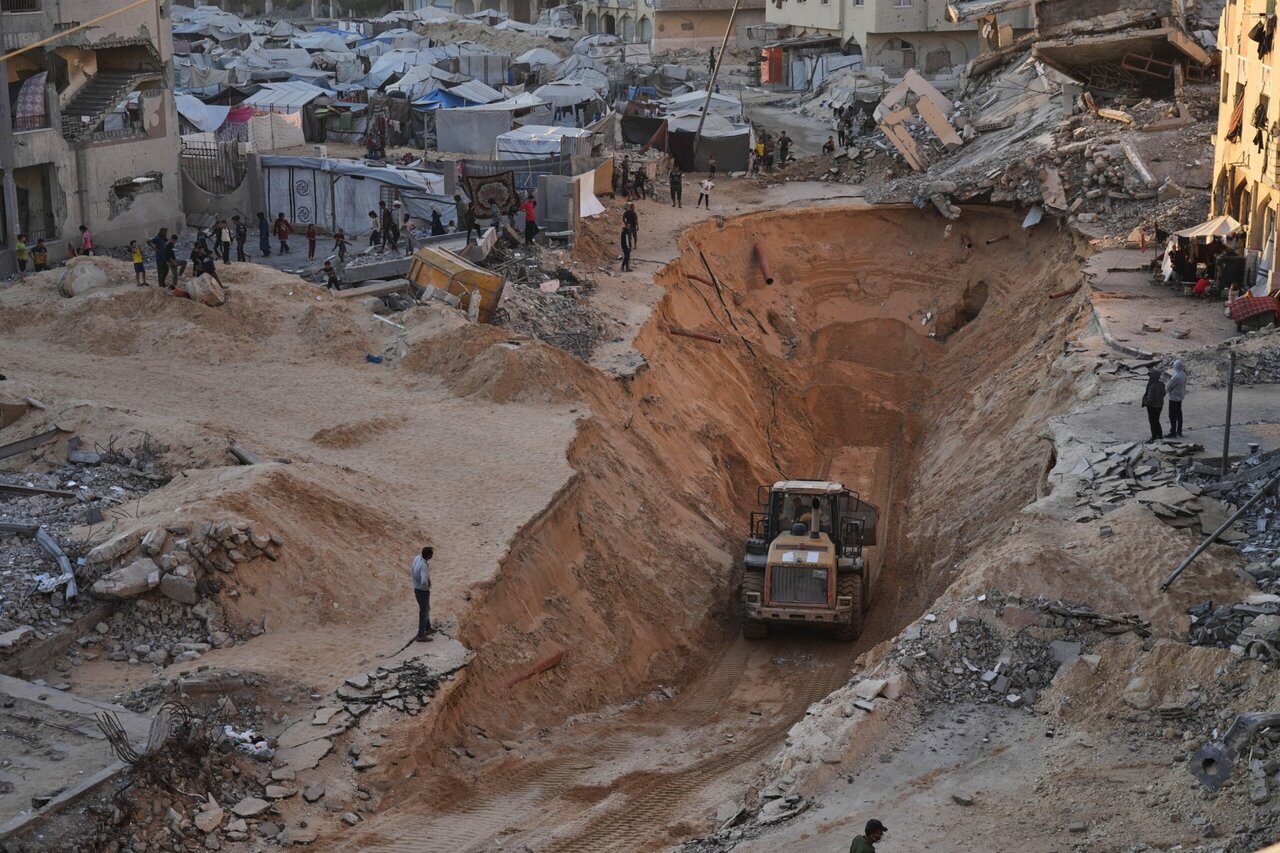
On Sunday, Israeli military aircraft struck Rafah in what Gazan authorities and independent observers called a violation of a fragile ceasefire that began earlier this month and rejected Israeli claims that the attack was in response to shelling of its forces.
Witnesses reported explosions in the south and east of the city, where tens of thousands of displaced people have taken shelter in overcrowded areas.
Gazan officials and critics say the attacks reflect a pattern of post-ceasefire violations designed to put pressure on Gaza, intimidate civilians and limit aid rather than counter an immediate threat.
Humanitarian agencies warned that a new attack in Rafah, already overwhelmed with displaced families, would deepen the crisis and jeopardize diplomacy aimed at maintaining a moratorium.
Israeli news outlets reported that a spy vehicle was attacked and soldiers were hit by sniper fire. Some reports said troops were injured and there were unconfirmed casualties.
As the exchanges escalated, Israel convened its senior security ministers. Gaza officials, including Hamas, say the military is using these incidents as a pretext to renew attacks, while refusing to reopen the Rafah crossing, Gaza’s main aid and medical evacuation route, which remains closed under Israeli control.
According to preliminary reports, Israeli warplanes also carried out airstrikes in Jabalia, north of Gaza, killing two civilians.
According to local reports, the airstrike provided air cover for Yasser Abu Shabaab’s militia in eastern Rafah. His People’s Units, accused by Hamas and others of cooperating with Israeli forces and extorting aid, operate in areas where ceasefires aim to avoid armed interference.
Rival groups and reported ties between Israel and some militias further endanger civilians near the border.
Additionally, Israeli Channel 12 reported, citing officials, that the Israeli military is preparing for a “series of attacks” in Gaza.
While Hamas reaffirmed its commitment to the ceasefire, it denounced the attack as a fabricated pretext to continue the invasion. The statement accused Netanyahu’s coalition government of pressuring him to avoid obligations to mediators and guarantors.
The political background is difficult. Hardline Israeli ministers have called for a resumption of full-scale operations, while international mediators have warned that accusations, including U.S. statements about possible violations, are complicating efforts to cement a ceasefire.
But for civilians in Rafah, the reality is pressing. Continuing strikes, closing crossings and encroaching on protective facilities means more deaths, more hunger, and less chance of recovery.