
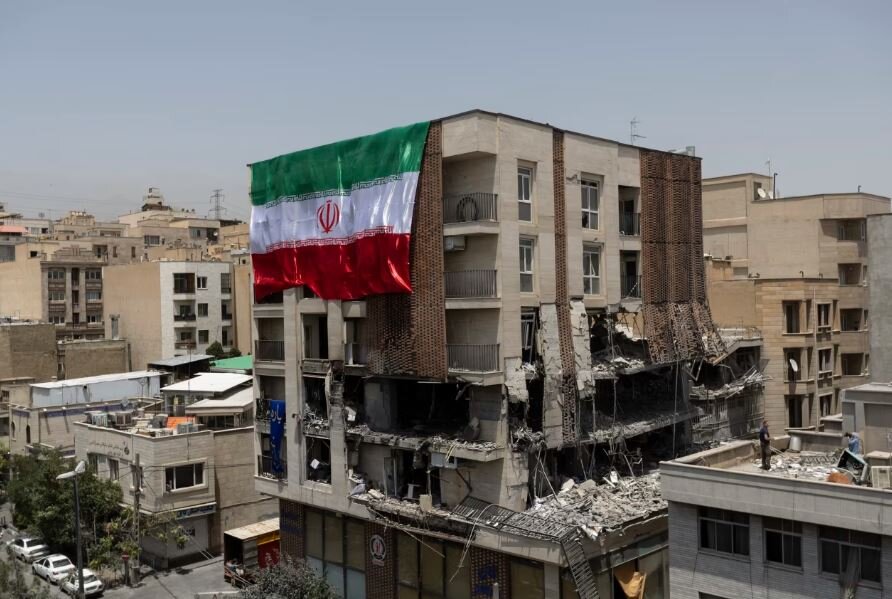
TEHRAN – The Iran-Israel war began early on Friday, June 13th, but the Zionist regime’s blatant attack on Tehran was an act of denouncement by all like-minded observers, and nevertheless elicited mixed reactions from world leaders.
According to the international press, between June 13th and June 23rd, 2025, the country’s status was divided into three categories.
Many governments around the world have explicitly condemned early morning military attacks on Israel’s Iranian territory. Some issued independent statements, while others approved joint declarations through partnerships or international forums. Several countries acting within the Shanghai Cooperation Organization (SCO) have condemned Israel’s attacks. Others expressed their anger in a joint statement at the extraordinary Islamic Summit. Additionally, some countries have condemned attacks on Iran’s Islamic Republic through the recent BRICS coalition declaration in Brazil.
More than 30 countries across multiple continents condemned Israel’s attack on Iran on June 13, according to Nemafar’s research and statistics. These include Russia, Belarus, Kazakhstan, Kyrgyzstan, Uzbekistan, Tajikistan, Turkey, Azerbaijan, Egypt, Malaysia, Oman, Pakistan, Kuwait, Yemen, Venezuela, Indonesia, Cuba, North Korea, India, India, Seudiara Arabia, Arabia, Lebanon, Jordan, Japan, Brazil, Algeria, South Africa, Bahrain, Brunei Dalsalam, Chad, Comoros, Djibouti, Libya, Mauritania, Somalia, Sudan, United Arab Emirates.
These countries shared a common stance when denounced Israel, but their level of support for Iran was very different. Some, like Japan, were limited to condemning attacks and urging diplomatic solutions. Others like Yemen went until they expressed preparations for military cooperation in the attack.
In particular, some neighbours have surpassed formal diplomatic condemnation, directly in charge of senior officials who have expressed their explicit support for Iran. For example, the Turkish president wanted Iran’s success, and Pakistan’s defense minister publicly supported our country.
In contrast, only a small group of mainly Western countries alongside Washington, including the US, the UK, France, Germany, Canada, Albania, the Czech Republic, Argentina, Ukraine, Australia and Italy, have accused Israel of Israel’s rights to “self-defense.” This support came through collective statements (particularly G7 declarations) or individual statements, such as those from the Australian Foreign Minister.
Still, most of these countries simultaneously wanted escalation and a return to negotiation. In less than 10 countries that openly support Israel, the group has found that the overwhelming majority are far exceeding the number of people denounce the attack.
This highlights the diplomatic defeat of the pro-Israel front in the hybrid war with Iran. This is a harsh rebuttal to the claims of Iran’s isolation or the global coalition in favour of Israel.
From an international law and regional diplomacy perspective, it is important that many countries, particularly OIC members, symbolize their support through collective statements and foreign minister liaison groups. These joint declarations not only condemned the attacks, but also encouraged independent investigations by agencies such as the IAEA and called for the involvement of the UN Security Council. This could turn individual stances into regional consensus with greater legal and political weights and lay the foundation for stronger international resolutions.
Important takeaways from these developments include:
1. The Strength of the Condemnation: The number of countries that condemned Israel’s attacks was about four times more than those who supported it. This harsh disparity shows that in both public opinion and diplomacy, the condemnation of action is more firmly hanging in the principles of national sovereignty and the prohibition of military intervention.
2. Collective Action: Many Islamic and non-Islamic countries have issued statements within the framework of multilateral agreements rather than alone. These group declarations raised political weight and emphasized the unity of their position.
3. Wide integrity of Islamic countries in condemnation: The majority of Islamic countries have attacked collectively through sessions of Islamic cooperation organizations, or individually through separate statements, except for a few like Morocco, which prefer to maintain silence.
4. Implicit Conditions for Support: The countries that supported Israel effectively framed support with qualifiers, such as “recognizing the right to self-defense and emphasizing the “need to avoid escalation.” This indicates that even among Israeli supporters there is concern about the potential regional impact of the attack.
5. Future outlook: This situation can pave the way for new Security Council resolutions and enhance the role of regional organisations managing the crisis in West Asia. In particular, collective statements issued at Islamic summits may provide a mechanism for pursuing the implementation of principles surrounded by international resolutions.
What is clear is that the consequences of this conflict on the international stage have a significant impact not only on the relationship between the two directly involved parties, but also on the balance and role of international organizations in West Asia. Furthermore, it completely undermines the narrative of global consensus towards Iran, and conversely highlights Israel’s diplomatic isolation.