
TEHRAN – Israeli Prime Minister Prime Minister Benjamin Netanyahu’s vision of a swift and successful strike against Iran has been transformed into what many, including Israeli analysts, are now described as a strategic miscalculation of historic proportions.
A week after the suspension of hostilities against Iran, it’s far worse than the situation the Israeli regime had anticipated.
As Haaretz reported, the conflict that began with an unexpected Israeli strike over Iranian nuclear facilities has not succeeded in undermining Tehran’s civil nuclear program, and instead led to an increase in national solidarity among the Iranians. The article openly acknowledged that conflict, particularly attacks on civilian regions, escalating Iranian public outrage, linking both supporters and opponents of the Iranian government to external attacks.
“After the 12-day war, the people of Iran are very angry. Even those who previously opposed the government have written on social media: “We will fight invaders for our country.”
What Netanyahu wanted was a demonstration of Israel’s strength and deterrence, which instead sparked widespread condemnation and revealed significant strategic flaws.
Now, even Netanyahu’s closest allies are facing a growing public scrutiny that is widely seen across social media. The war not only failed to deliver the intended outcomes, it also exposed Israel to unprecedented levels of strategic and infrastructure vulnerability.
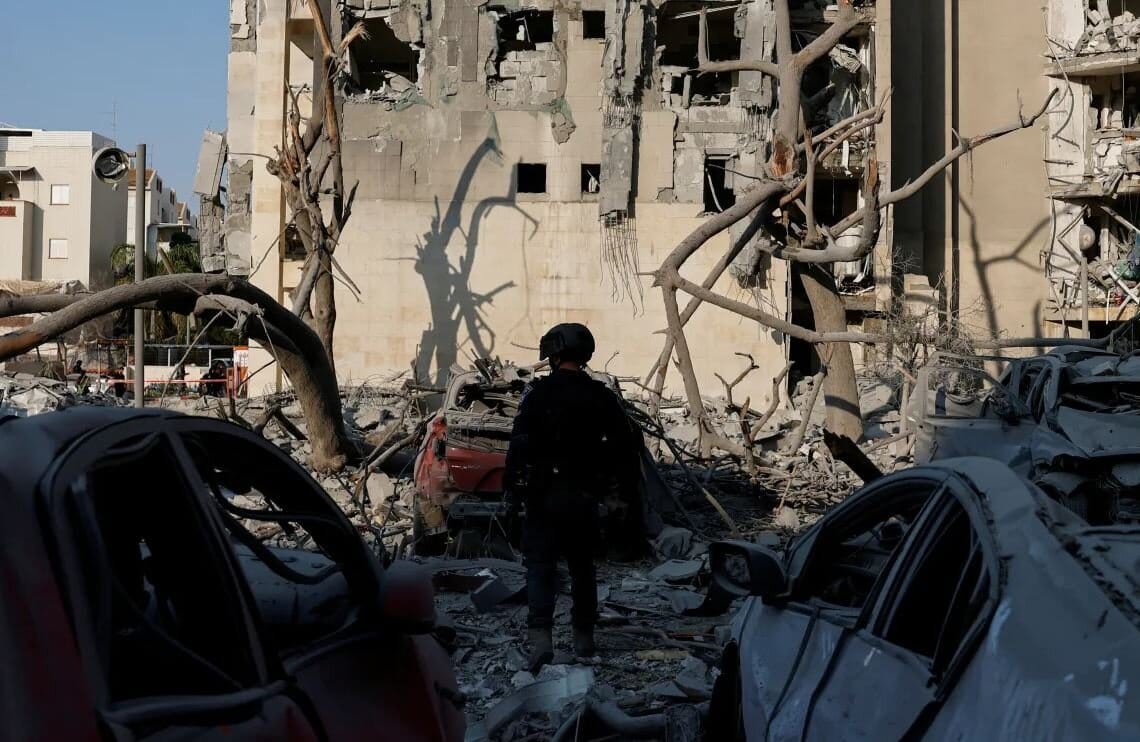
Meanwhile, the scale of physical destruction within Israel is unprecedented. Iran’s retaliatory missile strikes have caused major damage in Tel Aviv, Haifa and other important areas. An estimated 800,000 tonnes of construction fragments are produced, according to Israel’s Ministry of Environmental Protection. Approximately 10-15% of Israel’s annual construction waste accumulates within two weeks. This number reflects the collapse of dozens of buildings.
Amid this crisis, Israel has imposed strict media censorship and prohibits foreign journalists from reporting or documenting the full extent of their destruction. Actual deaths, injuries and losses to military and intelligence reporting infrastructure remain private.
In response to the devastation, Israel strengthened its military imports at an extraordinary pace. A stable flow of western cargo aircraft, primarily from the US, continues to arrive at Israeli air bases, providing advanced weapons and equipment for the second phase of a possible conflict.
However, despite this influx of support, the war has shaking the confidence of its people so badly, exposing deep vulnerability in Israel’s strategic stance.
Even within Israeli society, the psychological sacrifice is phenomenal. Some of the settlers have fled the occupied territory, and the remaining people are tackling the emotional trauma of war they have not anticipated or unprepared, especially given the scale of Iran’s retaliation.
The long-standing fantasy of Iran’s “change of government” (formerly promoted by someone close to Netanyahu) is also declining. Instead, the war amplified Iran’s resilience and national pride.