
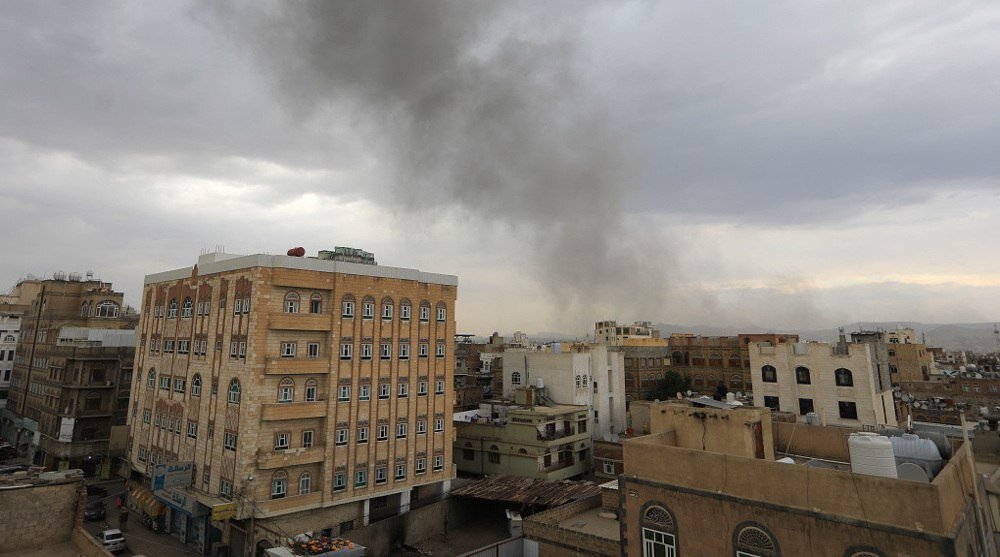
Israel’s airstrikes on Wednesday by Sanaa and Al Jof killed 46 people and injured 165 people, and Yemeni authorities reported that civilians, including medical centres, newspaper offices and a complex with the Al Hazm government, were intentionally targeted.
The attack followed the assassination of Prime Minister Ahmed al-Rahawi and members of his cabinet on August 28, an Israeli strike in the capital.
Brigadier General Yahya Sari, spokesman for the Yemeni Army, said air defense launched surface-to-air missiles enforcing “combat formations,” and Tel Aviv’s war minister Israel Katz claimed the attack had been attacked by “military camps” and “propaganda sites.”
The attack came days after Yemeni drones violated Israeli defense and hit Ramon Airport in southern Negev.
As part of the pledge to Israeli invasion, Yemeni forces announced in a statement Thursday that they had attacked Israeli military targets in Negev with a Palestine-bipolar ballistic missile. The statement also detailed the three-drone operation. Targeting two Ramon airports, the other attacking Negev military facilities – the Yemeni army said it had achieved all its objectives.
Sanaa vowed to continue the operation until Gaza’s genocide is over and the siege is lifted, explaining its actions as both a defense of Yemen’s sovereignty and a moral duty to stand with the Palestinian people.