
In a world where geographical boundaries are becoming increasingly blurred, what distinguishes nations from each other is a culture of dialogue and mutual understanding. Dialogue between civilizations is not just a slogan. It is necessary to maintain peace, development and global cooperation.
The civilizations of Iran and China are both inheritors of the ancient civilizations of the East, each thousands of years old and emphasizing ethics, family, collective wisdom, and a passion for knowledge. Through the historic Silk Road, these two civilizations exchanged not only goods but also ideas and meanings, from tea and silk to words that entered Persian culture through trade routes.
Therefore, today’s exchanges between Iran and China are actually a continuation of years of progress rooted in both countries’ commitment to knowledge and communication. In the journey of intercultural dialogue, language is the primary tool of connection. Without language, culture cannot continue.
Chinese is not only ancient and complex, but also embodies a unique system of thought that differs from Indo-European languages, which are languages of imagery, meaning, and harmony. Today, as China emerges as one of the world’s major cultural and economic powers, learning the language means understanding one of the pillars of modern civilization. Learning Chinese is more than just learning characters and symbols. It is a gateway to a world of layered concepts and ways of thinking.
For young Iranians, learning Chinese provides a unique opportunity to familiarize themselves with Eastern philosophy, China’s social structure, and the values of hard work and planning inherent in the people. This in itself is a form of developing cultural and international talent, which is of great value in today’s global context.
In today’s world, language is no longer just a tool for everyday communication. It is an important pipeline of public diplomacy and soft power. Countries whose languages are more widely understood gain greater means of gaining cultural, economic, and political influence. This importance is even greater when the language in question is Chinese, the language of the world’s second fastest growing economy.
Therefore, teaching Chinese in schools is not an extracurricular activity, but a strategic investment in the next generation. This education prepares our students to become not only consumers of Chinese goods and services in the future, but also active and informed participants in high-level global discussions and decision-making. Educational diplomacy serves as a bridge to bridge cultural gaps and deepen international understanding.
China’s economic role is no longer subject to prediction. That is a clear reality in today’s global equation. To stand out, you need communication skills, not just memorization of letters. Chinese language education in schools needs to be redefined to emphasize modern communication skills.
We need to move beyond purely grammatical and lexical education to practical and cultural competency. Students should be able to handle basic business negotiations, understand the cultural nuances of business transactions, and use China’s digital platforms, which form an important part of the global digital economy. This requires a shift in focus from textbooks to scenario-based conversations and cross-cultural communication.
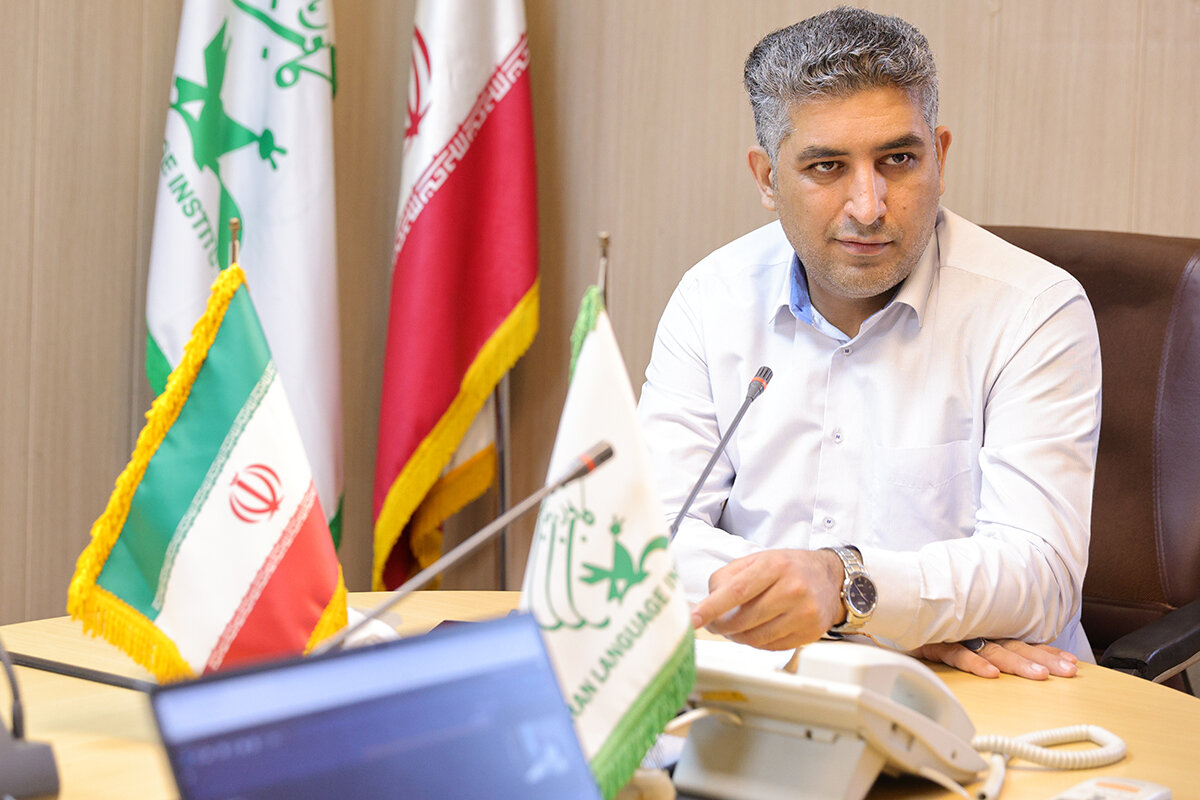
Dr. Mehdi Zolfagali is the Director of the Institute of Linguistics of Iran