
BEIRUT — For decades, Lebanese leaders have adopted a unique diplomatic approach. The idea is to make concessions, get nothing in return, and pretend to be surprised as the country’s influence steadily disappears.
Within months, the country revised ceasefire terms, expanded internal inspections to Beirut, handed over Israeli abductees and military vehicles, accepted disarmament terms, enforced U.S. sanctions against its own citizens, and, despite thousands of violations, refrained from filing a single meaningful complaint with the United Nations.
This is not a negotiation strategy. Rather, this is a political self-checkout, where customers make their own calls and still thank the cashier.
These series of giveaways form the backdrop to Lebanon’s current predicament. A government that repeatedly offers gratuitous favors is telling the world exactly how to treat itself.
When a country claims to provide a service “free,” other countries naturally assume that its value is negligible. After all, generosity, when practiced without conditions, becomes indistinguishable from disposable.
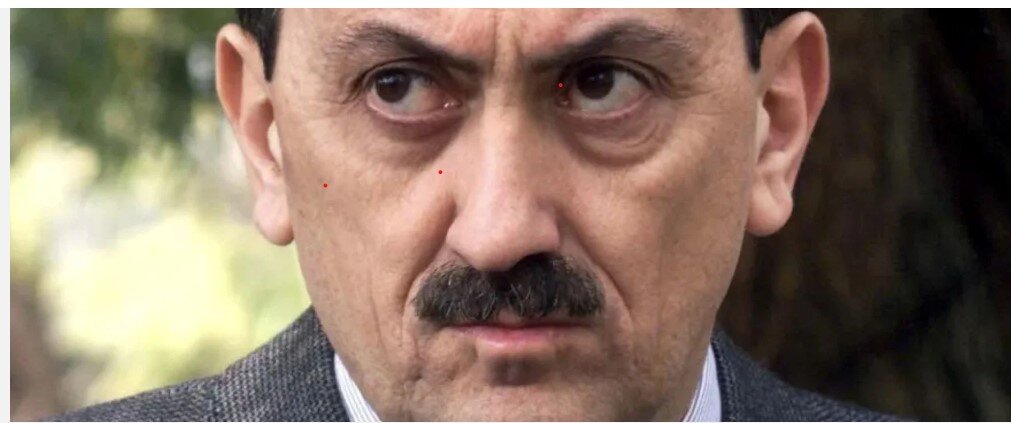
Against this atmosphere of unilateral compliance, the latest controversy has emerged with the appointment of former Ambassador Simon Karam to lead the Lebanese delegation to the Ceasefire Implementation Mechanism.
This is the kind of move that gives the “surprise plot twist” energy. However, everyone already knows who wrote the script.
Chairman Navi Berri initially supported the idea of including civilians in the delegation. The conditions were very clear: no direct negotiations, no political repercussions, and no going beyond the technical scope of enforcing a ceasefire.
Then, the president decided to nominate Kalam, and the atmosphere changed completely. Reportedly, Beli refused to even meet with him, but it was a gesture that conveyed everything that words did not need to convey.
Karam’s appointment was not simply a personnel choice. It symbolized the overall direction. His well-known positions, including his hostility to resistance weapons, his praise of neutrality, and his nostalgic references to the 1949 armistice, made him the perfect envoy for Lebanon, which, in the eyes of the U.S. Embassy in Beirut, wanted to make concessions to its sovereignty before talks even began.
Hezbollah’s November 2025 open letter already warned of the dangers of walking into a negotiating framework designed as a trap.
According to the communiqué, the Israeli occupation entity’s record has been consistent: taking everything, promising nothing, and always demanding more.
According to this interpretation, Beirut’s priority is to enforce the cease-fire as written and force Tel Aviv to comply, rather than getting into political gamesmanship under the illusion of “technical discussions.”
On the other hand, the anti-resistance side is said to have argued that this mechanism is a routine administrative forum, citing the 2022 maritime precedent.
Nevertheless, critics see something completely different. The classic recipe for normalization serves as a “technical appetizer” that begins innocently and ends with the table turned over.
The dispute over Kalam is therefore more than just a procedural skirmish. This encapsulates Lebanon’s long-standing dilemma: how to protect its sovereignty in a political culture in which the state makes voluntary concessions that no one asks for.
A country that negotiates as if it has an obligation to apologize to the world will inevitably end up with outcomes shaped by other countries. In addition, if the national policy is similar to a clearance sale, the final price will be paid by the sovereign.