
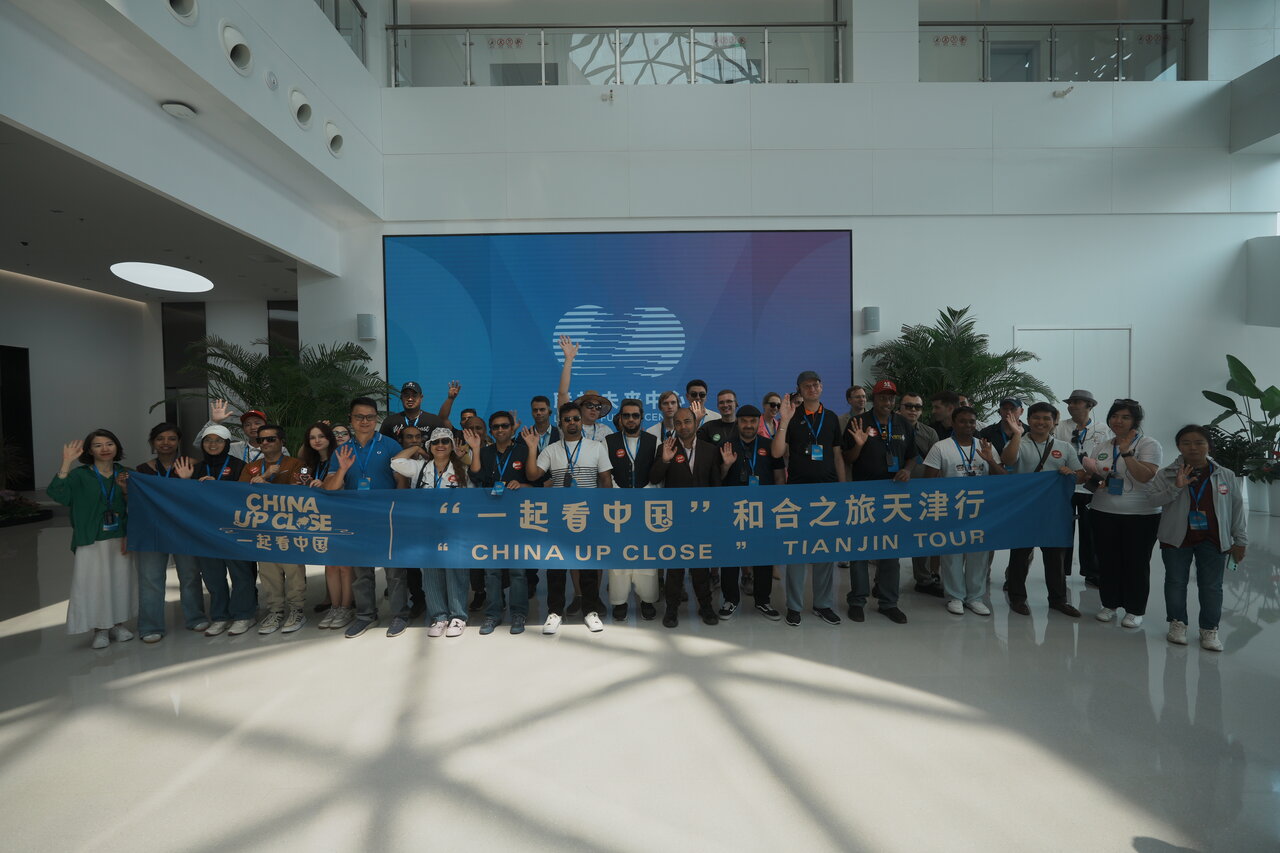
Beijing – As part of the international media delegation, I recently had the opportunity to visit Tianjin, China, the host city of this year’s Shanghai Cooperation Organization (SCO) summit.
From June 18th to 20th, I joined fellow foreign journalists for China Up China Up China: Tianjin Tour, an initiative co-sponsored by China Global Television Network (CGTN) and the Tianjin Civic Government. This trip wasn’t just about exploring the city. It was to witness the forefront of innovation, sustainability and the future of global industry.
Of the many places we visited, Lenovo’s Tianjin facility left the most impressive impression on me. As an Iranian journalist, I was particularly drawn to Lenovo, a brand that has a wide-ranging popularity in my home country. Iranian consumers are grateful to Lenovo for their affordability, reliability and availability. And now, after seeing their business up close, I appreciate it even bigger: a vision for a sustainable, intellectual future.
At Tianjin’s Lenovo Factory, robot arms assemble laptops every nine seconds, with annual production capacity exceeding 3 million units, and smart production lines have an automation rate of 60%. This impressive level of automation reflects Lenovo’s commitment to not only efficiency, but also sophisticated smart manufacturing techniques.
Leader in Zero Carbon Manufacturing
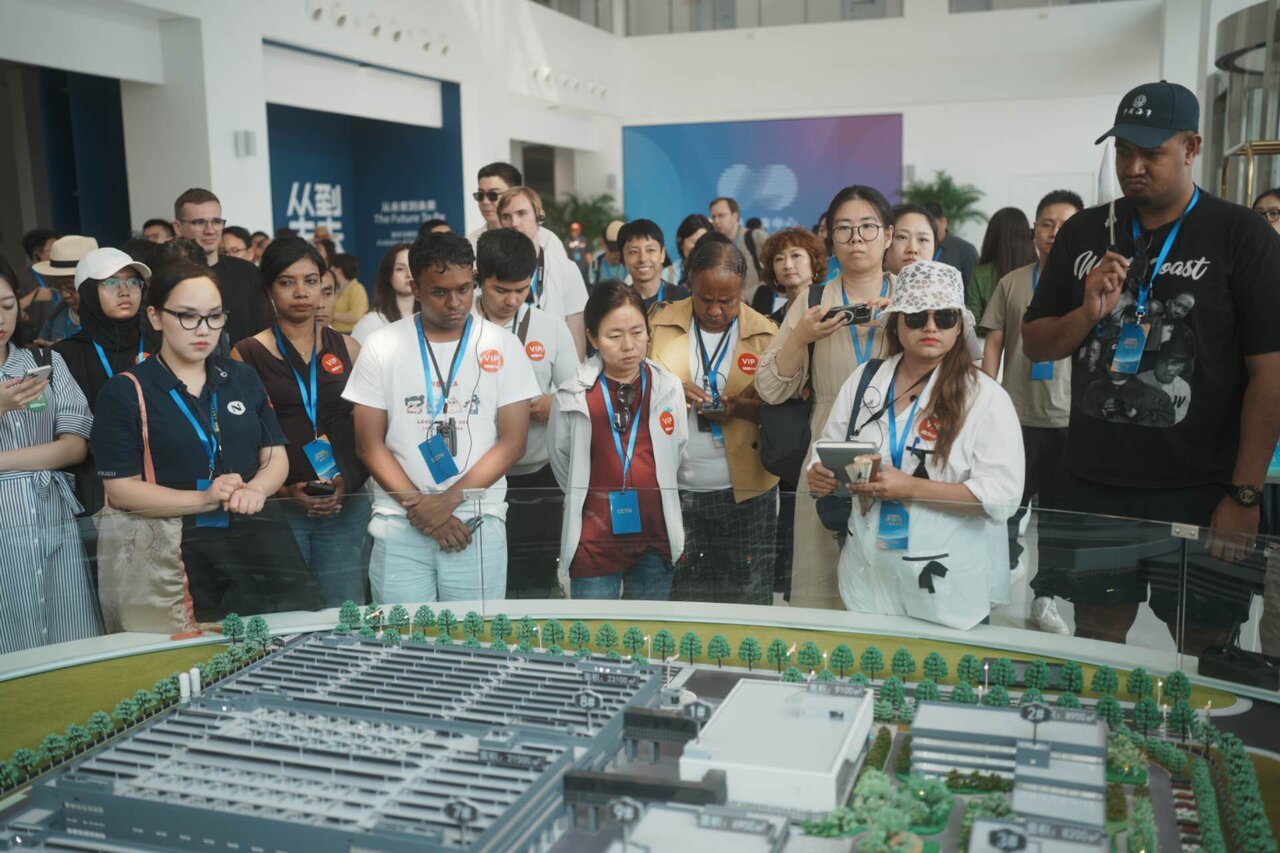
In a world that is increasingly threatened by climate change, Lenovo is not just adjusting to green standards, but setting it. At the Tianjin campus, Lenovo is implementing an ambitious zero carbon strategy that goes beyond energy savings to real innovation. What stood out was how technology and sustainability were seamlessly integrated into the fabric of the building itself.
Imagine a glass panel that stretches from floor to ceiling. But these are not ordinary windows. They are solar glass, which can generate electricity from sunlight while acting as part of the building’s structure. This is a powerful example of how smart design can contribute to both environmental protection and operational efficiency.
For many years, the idea of a zero carbon factory was considered idealistic and even unrealistic. Companies feared that greenery could damage productivity and profits. However, Lenovo’s experience tells a different story. Zero carbon is not a limitation, it is a factor in innovation and growth.
Hybrid AI: Building an intelligent ecosystem
Another major highlight of our visit was learning about Lenovo’s groundbreaking work in artificial intelligence. The concept of hybrid AI represents an important evolution in how we think about intelligent systems. Rather than offering a One-Size-Fits-All solution, Lenovo’s hybrid AI integrates three key layers.
– Personal AI is tailored to individual users and their daily needs.
-EnterPrise AI focuses on optimizing business processes and decision-making.
-public AI serves a wider range of social applications, including urban planning, education, and healthcare.
This layered approach creates a flexible and powerful AI ecosystem that addresses challenges at all levels, from individual productivity to national development. In an age where AI is rapidly converting all industries, Lenovo’s hybrid models stand out with their well-balanced, comprehensive and highly practical design.
The global pioneer of green industrial transformation
Lenovo’s efforts go beyond a single factory or product line. What I witnessed in Tianjin was part of a much bigger mission. In other words, it will lead to global change towards transforming the green industry. From reducing emissions, using renewable energy, to creating a smarter AI ecosystem, Lenovo sets standards that many others may follow.
As the world is looking for ways to balance economic growth and environmental responsibility, Lenovo offers a blueprint for work based on technology, vision and courage. When I visited the Tianjin facility, it wasn’t just a company tour. It peered into the future where we all had to strive for.
And for us in Iran, where Lenovo already has a strong user base, this story adds a new layer of trust and praise. It shows that the devices we use every day are supported by companies that care about the future of the planet, not just revenue.