
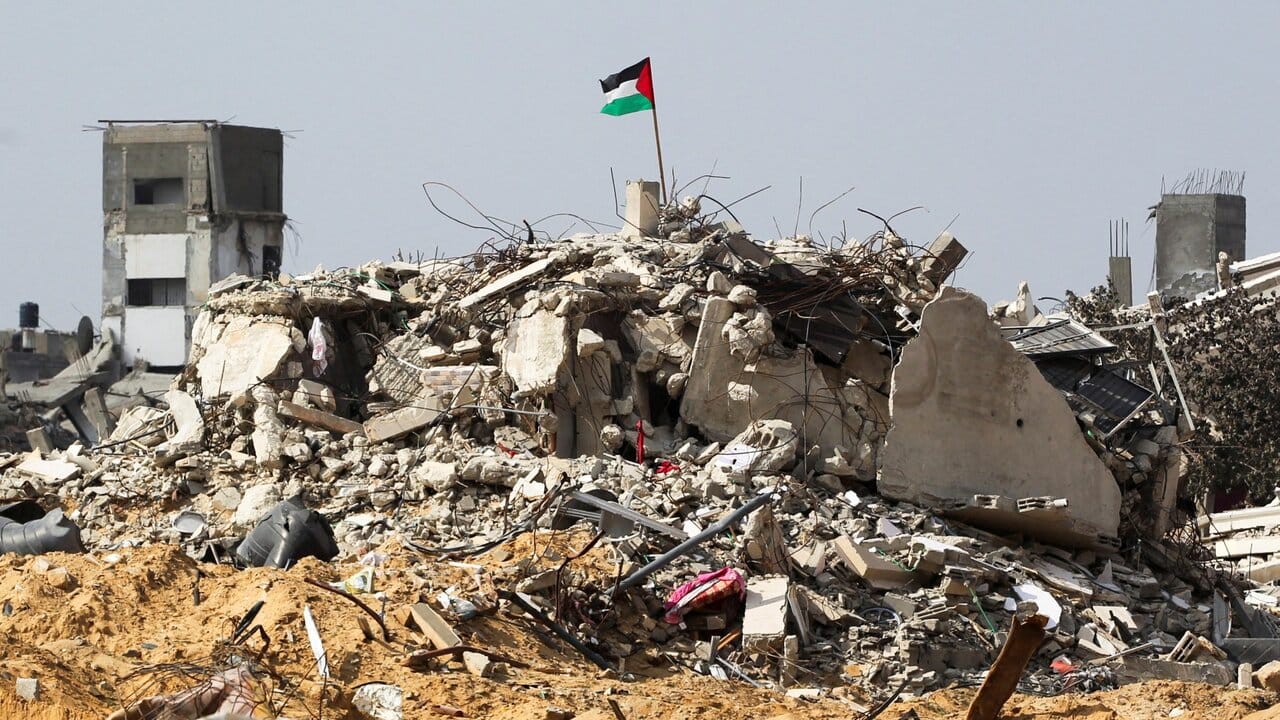
TEHRAN – A new United Nations report warns that the destruction in the Gaza Strip has pushed society and economy to the brink and recovery is painfully far away.
The Israeli regime’s genocidal campaign has caused a level of devastation that United Nations researchers have described as a “human-made abyss,” and the economic damage is so widespread that reconstruction could cost more than $70 billion and span generations.
The United Nations Trade and Development (UNCTAD) assessment paints a picture of the region being stripped of the basic elements it needs to function. Production sectors have collapsed, infrastructure has been destroyed, and households face deepening poverty.
The report concludes that all mechanisms that maintain daily life are rapidly weakening. Gaza’s economy has shrunk by more than 80% in just two years, erasing decades of growth, and GDP per capita has fallen to $161, one of the lowest in the world.
Due to severe restrictions on the import of goods into the territory, unemployment has reached over 80%, inflation has increased by 238%, and the entire population has been pushed below the poverty line.
Physical damage reflects economic collapse. By spring 2025, approximately 70% of the buildings had been destroyed or damaged by the Zionist regime’s occupation forces.
Satellite measurements show a dramatic drop in nighttime brightness, indicating an almost complete halt to economic activity. United Nations officials estimate that nearly 70 years of human development indicators have been reversed, making the crisis the most extreme crisis recorded in modern conflict-tracking databases.
Humanitarian indicators continue to deteriorate. According to a World Food Program report, most households in Gaza cannot afford basic staple foods and rely on limited grains, pulses, and small amounts of dairy products and oil. A lack of cooking gas has forced residents to burn plastic and debris to prepare meals, exacerbating environmental and health risks.
Experts say that even in a best-case scenario with large amounts of aid and double-digit growth, it will take decades for Gaza to regain its pre-October 2023 standard of living.
They argue that this timeline underscores the urgency of continuing the ceasefire and an international recovery plan that prioritizes access to health care, clean water, and the restoration of public infrastructure.
Economic experts are increasingly advocating for emergency income support, such as proposals for universal basic income, to give Palestinian households some sense of normalcy and prevent small businesses from collapsing further.
Without such measures, Gaza’s ability to rebuild itself socially and economically remains at risk, leaving millions of people trapped in a cycle of deepening poverty, the United Nations warns.
This highlights the scale of destruction caused by the Israeli regime’s genocidal campaign in Gaza, which is supported politically, financially and militarily by major Western powers, especially the United States.
Figures presented by the United Nations show not only the physical destruction of populated areas, but also the systematic collapse of their economic and social infrastructure. With entire populations pushed below the poverty line, infrastructure reduced to rubble, and decades of development wiped out in less than two years, this crisis can no longer be understood as an accidental wartime disaster.
Rather, it reflects a deliberate pattern of policies and actions that have dismantled nearly every pillar of civilian survival. The scale of the losses documented in the report, from the disappearance of 69 years of human development to the near-total cessation of economic activity, reveals the far-reaching impact of sustained external support for such a genocide and raises urgent questions about international responsibility in the face of what has become a historic humanitarian and economic catastrophe.