
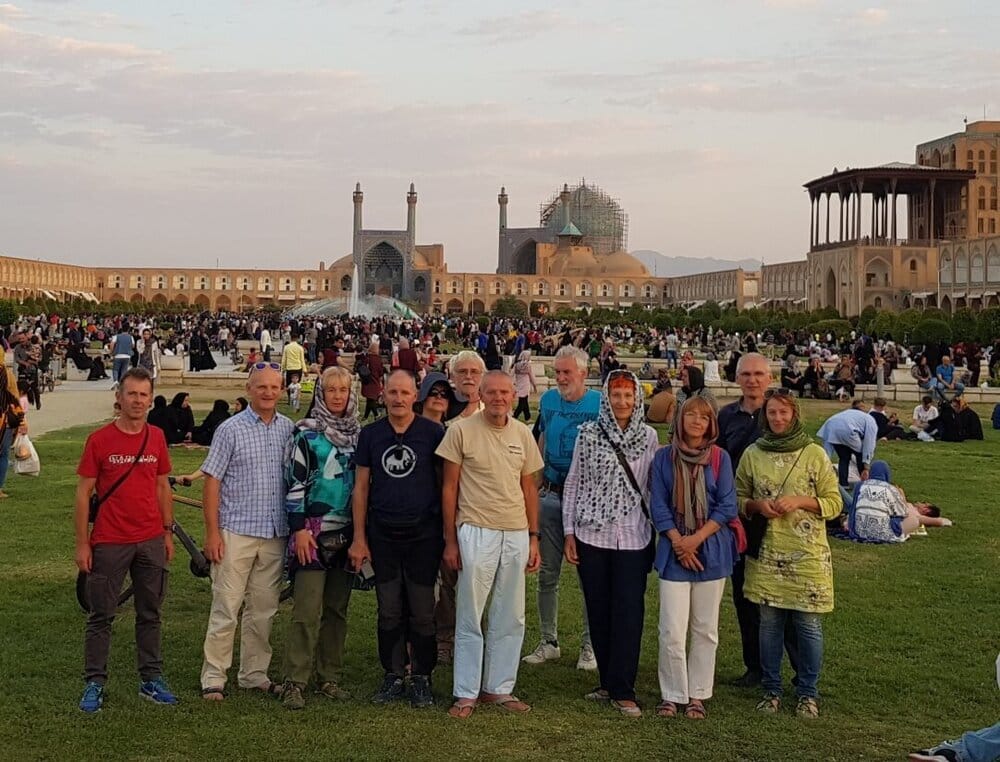
Over the past 20 years, despite the significant natural and cultural possibilities of Iran, it has attracted foreign tourists, particularly leisure travelers, who are interested in historical and cultural tourism, particularly from Europe and North America.
This is despite signing multiple memorandums of understanding and cooperation agreements in the field of tourism with various countries. Even if these agreements are signed with countries such as China and Russia, which have close political and economic ties with Iran, the expected results have not been achieved. These countries also show limited interest in sending many tourists to Iran, and in many cases their commitment to tourism exchange agreements has not been met.
The cause of this problem is multi-layered and cannot be simply reduced to the lack of tourism infrastructure. In fact, the development of infrastructure is essential, including transportation networks, standard accommodations and high quality services, but the problem lies much deeper and a combination of political, cultural, economic and operational challenges.
The impact of international perception and political relations
One of the most influential factors in the decision of leisure tourists is the perception of the political situation and safety of the destination. For many European and North American travelers, Iran is still recognized through the lens of negative news reports, travel advisories and political tensions. These perceptions play a major role in shaping tourism behavior, even when they are not consistent with earthly reality. For example, travel warnings issued by the Western government will increase insurance costs for tour operators and individual travelers, making Iran less competitive options compared to other destinations.
For tourists in China and Russia, the situation is somewhat different. Despite strong political ties, tourism decisions in these countries are influenced by logistics feasibility, competitive pricing, and the presence of marketing. Iran has yet to establish a robust promotion and distribution network within these markets, leading to a lack of vision and awareness among potential travelers.
Challenges in attracting leisure tourists with a focus on historical and cultural experiences
Leisure tourists from Europe and North America, particularly attracted to historic and cultural attractions, generally don’t just visit archaeological sites and museums. They seek a complete travel experience, including easy and comfortable transportation, high quality accommodation, diverse cultural events, culinary experiences, and freedom to explore and interact with the local community.
With its rich heritage of UNESCO registered heritage, ancient cities and living heritage, Iran should naturally be one of the top destinations in this market segment. However, compared to competing destinations such as Türkiye, Greece and Morocco, Iran still faces important challenges that meet these expectations. The lack of integrated cultural itinerary, limited interpretive services in foreign languages, and inadequate modern amenities reduce the overall appeal of these travelers.
Tourism agreement performance
Many of the memorandums and agreements signed between Iran and other countries in the field of tourism are limited to general statements of cooperation without a detailed and enforceable implementation plan. Due to lack of binding commitments, lack of dedicated funding, and weak tracing mechanisms, most of these contracts remain on paper. For example, an agreement with China to increase the flow of tourists is not supported by joint marketing campaigns, increased airline capabilities, or simplified visa procedures.
Furthermore, there is a discrepancy between the tourism products offered and the profits of the target market. Historical and cultural tourism is a strong selling point, but packaging without complementary leisure or lifestyle experience limits the market’s appeal.
Beyond infrastructure: the need for a comprehensive strategy
While tourism infrastructure development (roads, airports, hotels, visitor facilities) is necessary, the lack of comprehensive, market-oriented strategies is a more significant weakness. Tourism development requires sync initiatives in policy making, marketing, capacity building and product diversification. This includes:
• Establish specialized tourism marketing offices in major source markets.
•Train tourism service providers to international hospitality standards.
•Development of a themed itinerary that integrates historical, cultural and contemporary leisure elements.
•Improved digital presence and online booking capabilities for international travelers.
• Address bureaucratic and regulatory obstacles that discourage tour operators.
Conclusion: Border the gap between potential and performance
Iran’s position as one of the world’s richest destinations in terms of cultural and historical heritage is indisputable. However, the gap between the potential and actual performance in attracting leisure tourists from Western countries and politically friendly countries such as China and Russia is broad. To fill this gap, we need to go beyond symbolic agreements and focus on concrete, targeted, measurable actions.
Only through a strategic combination of improved infrastructure, sophisticated marketing, relaxed regulations and strengthening the international image can Iran fully realize its potential and become a competitive player in the global tourism market for historical and culturally oriented travelers. (Hani Rastegaran is an Iranian journalist and tourism development specialist)
morning