
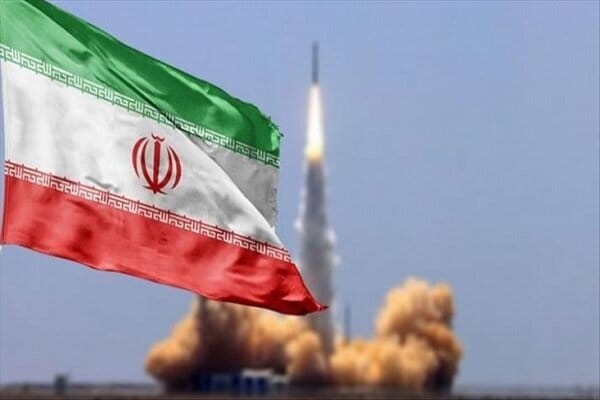
Brigadier General Ali Barari said in an interview on the occasion of the 13th anniversary of the martyrdom of Major General Hassan Tehrani Moghaddam, Chief Adviser to Iran’s Revolutionary Guards: “By leveraging local capabilities and reverse engineering, Martyr Taherani Moghaddam welcomed us into the ballistic missile club and took the country from zero to this level of strength and capability.”
“At a time when we needed to drive US aircraft carriers out of the region, we needed surface-to-surface missiles that could attack moving targets. Thanks to the efforts of Martyr Taherani Moghaddam, the Khalij-e-Fars (Persian Gulf) missile was designed and manufactured,” said General Ali Barari.
He said the martyr Tehrani Moqaddam believed in domestic capabilities and relied on it to achieve his goals.
Major General Hassan Tehrani Moqaddam, a member of the Revolutionary Guards since its creation in 1979 and known as the “father of Iran’s missile program,” played a key role in improving the country’s defense capabilities. During the Iran-Iraq War, he served as the first commander of an artillery division within the Guard Corps and created the artillery force.
After the war, Tehrani Moghaddam was transferred to the Revolutionary Guard’s missile unit, where he became a leader and devoted himself to research and development of missile technology until his martyrdom.
Tehran Moghaddam was tragically martyred in an explosion in western Tehran in November 2011. The explosion occurred during a missile test at the base in Bid Ghaneh. At least 16 people were killed in the explosion.
Despite the loss of Tehrani Moghaddam, the architect of Iran’s missile program, the country’s ambitions in this field remain undiminished. Since his martyrdom, Iran has continued to advance its missile technology and achieved a significant milestone in the development of hypersonic missiles. The space program also experienced rapid growth during this period, demonstrating Iran’s unwavering commitment to expanding its technological capabilities.
MNA/