
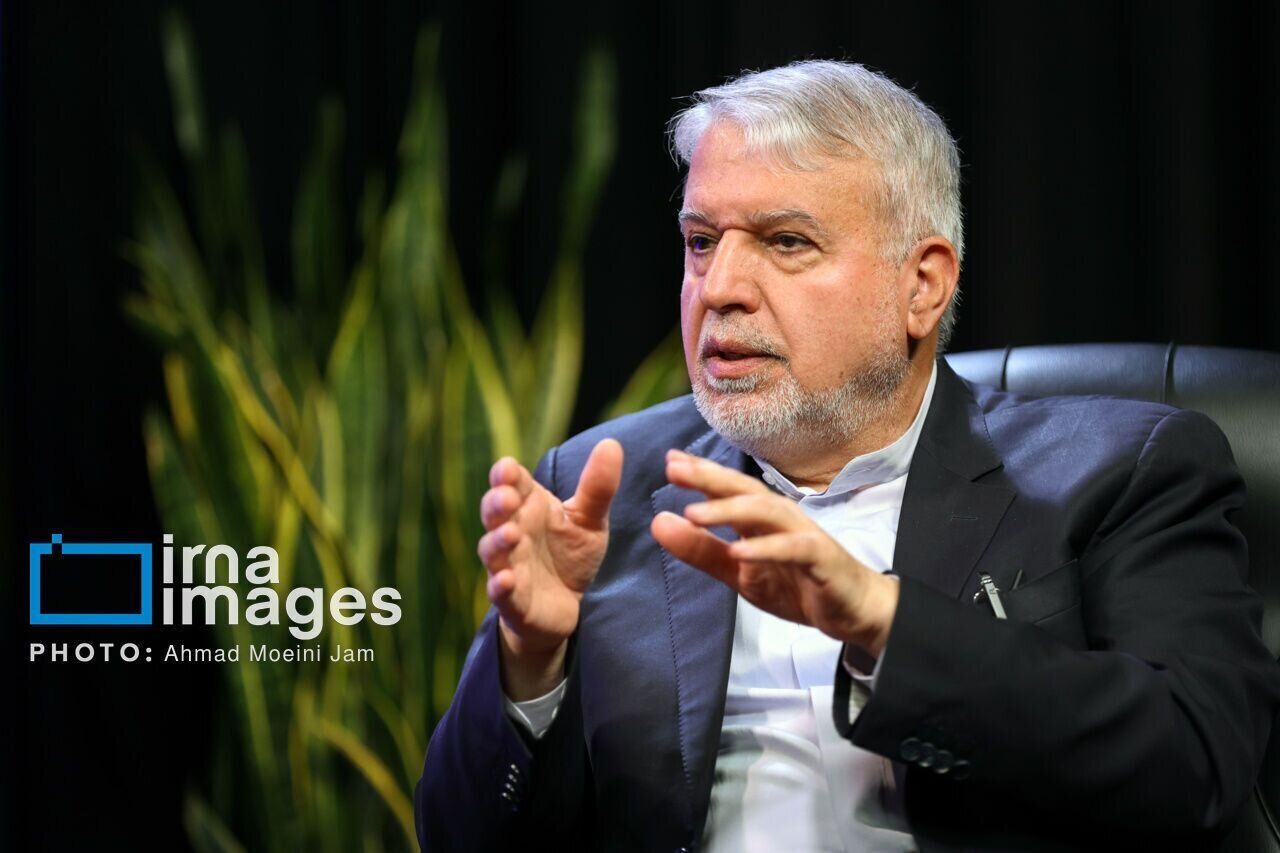
TEHRAN – Iran’s Minister of Cultural Heritage, Handicrafts and Tourism underlined Tehran’s great potential for tourism growth and urged greater participation of the private sector to make full use of the city’s capabilities.
Seyed Reza Salehi Amiri told IRNA on Saturday that 101 tourism investment projects worth 3.55 trillion rials (approximately $3.5 million) are currently underway in Tehran province. He said the projects are expected to create more than 20,000 jobs.
“Achieving sustainable economic development is not possible without the active presence of the private sector,” Salehi Amiri said. He added that the government should move from direct management to a role of promoting and supporting entrepreneurs.
He said real support for private investors includes removing legal barriers, creating a strong competitive environment and providing conditions for innovation.
Elsewhere in his remarks, Salehi-Amiri said he had visited several tourist sites in Tehran, including Bamland, an artificial lake in the Persian Gulf, Abbasabad and the Alibaba complex, as well as two hotels under construction.
The minister added that startups are a form of “soft power” for Iran, noting that the country’s base of knowledge-based businesses and new ideas is growing and becoming a new force in the economy.
He said the government’s policies are focused on empowering the private sector, supporting creativity, and promoting competition within Iran’s startup ecosystem.
Tehran, the capital of Iran, is home to a variety of tourist attractions that showcase the country’s rich history and cultural heritage. In the city center is Golestan Palace, a UNESCO World Heritage Site and one of Tehran’s oldest royal complexes. Dating back to the Qajar period, the palace features ornate halls, marble thrones, and mirrored rooms that reflect the craftsmanship of Persian architecture mixed with 19th-century European influences. The nearby National Museum of Iran houses valuable archaeological collections that trace the country’s civilization from prehistoric times to the Islamic era.
Visitors seeking a glimpse of Tehran’s traditional commercial and social life often head to the Grand Bazaar, a vast network of covered alleys where merchants sell carpets, spices, jewelry, and handicrafts. With its lively atmosphere and historic caravanserai, the bazaar serves as both a commercial center and a cultural landmark that has shaped the city’s identity for centuries.
Away from the city center, Tehran’s northern districts offer scenic getaways, including the mountain villages of Darband and Darakeh, popular for hiking, teahouses, and local cuisine along riverside trails. The city is also home to historic mosques and madrassas, such as the Shah Mosque and the Sepersaral Mosque, which display the intricate tilework and calligraphy characteristic of Persian-Islamic design. Together, these attractions make Tehran a city where modern life and deep-rooted traditions coexist, offering travelers a comprehensive view of Iran’s cultural and natural landscape.
morning