
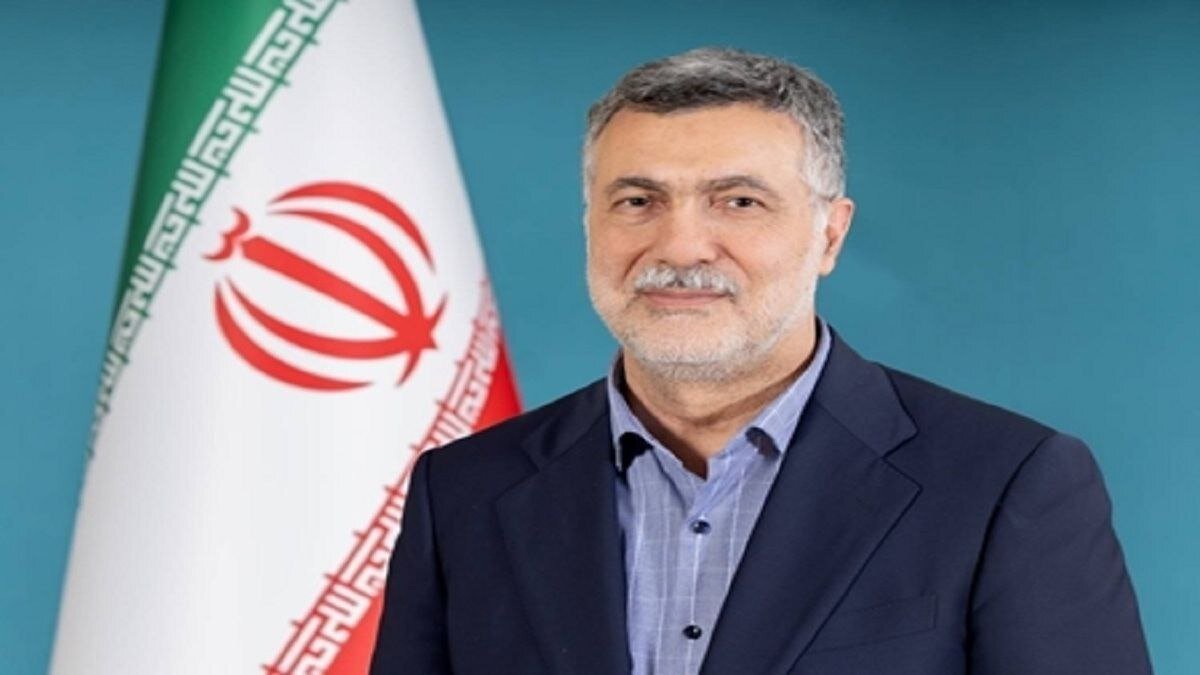
TEHRAN – An Iranian delegation led by Health Minister Mohammad Reza Zafarkandi is participating in the 72nd session of the World Health Organization (WHO) Regional Commission for the Eastern Mediterranean (RC72), which is being held in Cairo, Egypt, from October 15 to 17.
Organized by the WHO Regional Office for the Eastern Mediterranean, this event will bring together health ministers, policy makers and regional leaders to address urgent health priorities and long-term reforms.
ISNA reports that participants will discuss the region’s most important health issues, including polio eradication, health emergencies, immunization programs, palliative care, climate change, and even the impact of sanctions on public health.
On the sidelines of the event, Mr. Zafarkandi will meet with Hanan Balki, Director of the WHO Eastern Mediterranean Regional Office (EMRO), and other regional officials.
RC72 is being held at a time when we are facing extraordinary global challenges. Conflict, humanitarian crises, climate change and economic fragility are putting many countries’ health systems under tremendous strain.
RC72 provides a platform for countries to deliberate and adopt resolutions on the region’s most pressing health issues. This year, five technical documents will be published encouraging Member States to:
By 2030, halve the number of unvaccinated children (children who have never been vaccinated) and eliminate rubella and congenital rubella syndrome.
Integrate palliative care into the national health system. Millions of people, including cancer patients, children with congenital conditions, and refugees with chronic illnesses, die of unavoidable suffering.
The new resolution will work to restore health systems in countries affected by the crisis, including Afghanistan, the Occupied Palestinian Territories, Sudan and Yemen. We aim to ensure that the humanitarian response is linked with early investments to rebuild health systems, restore trust and strengthen future resilience.
Rethinking laboratory safety and governance, a long-overlooked area of community health security.
Regional consultations to develop climate-resilient health frameworks. Building on the Global Plan of Action on Climate Change and Health adopted by the World Health Assembly earlier this year, WHO EMRO is proposing a consultative process to develop a regional operational framework on climate and health.
Ministers will also be invited to consider various progress reports on priority health issues, discuss governance issues and support calls to action on breast cancer, the region’s leading cancer for women.
Iranian regional leaders in UHC: WHO officials
At a meeting held on the sidelines of the 78th World Health Assembly (WHA), Foreign Minister Balki said Iran is a leading country in expanding its health care system and providing access to universal health coverage (UHC).
According to the Ministry of Health’s website, Hanan Balki praised Iran’s achievements in recent years, saying that by expanding primary health care services, increasing access to health insurance in rural areas, maintaining high vaccination rates, and reducing maternal and neonatal mortality rates, Iran has been able to become a successful example in the region.
WHO EMRO is working closely with Iranian regulatory bodies to achieve regulatory maturity level 3 of the drug regulatory system, paving the way for broader export of Iranian health-oriented products to the global market. It will also contribute to promoting global health security, Balki added.
MT/MG