
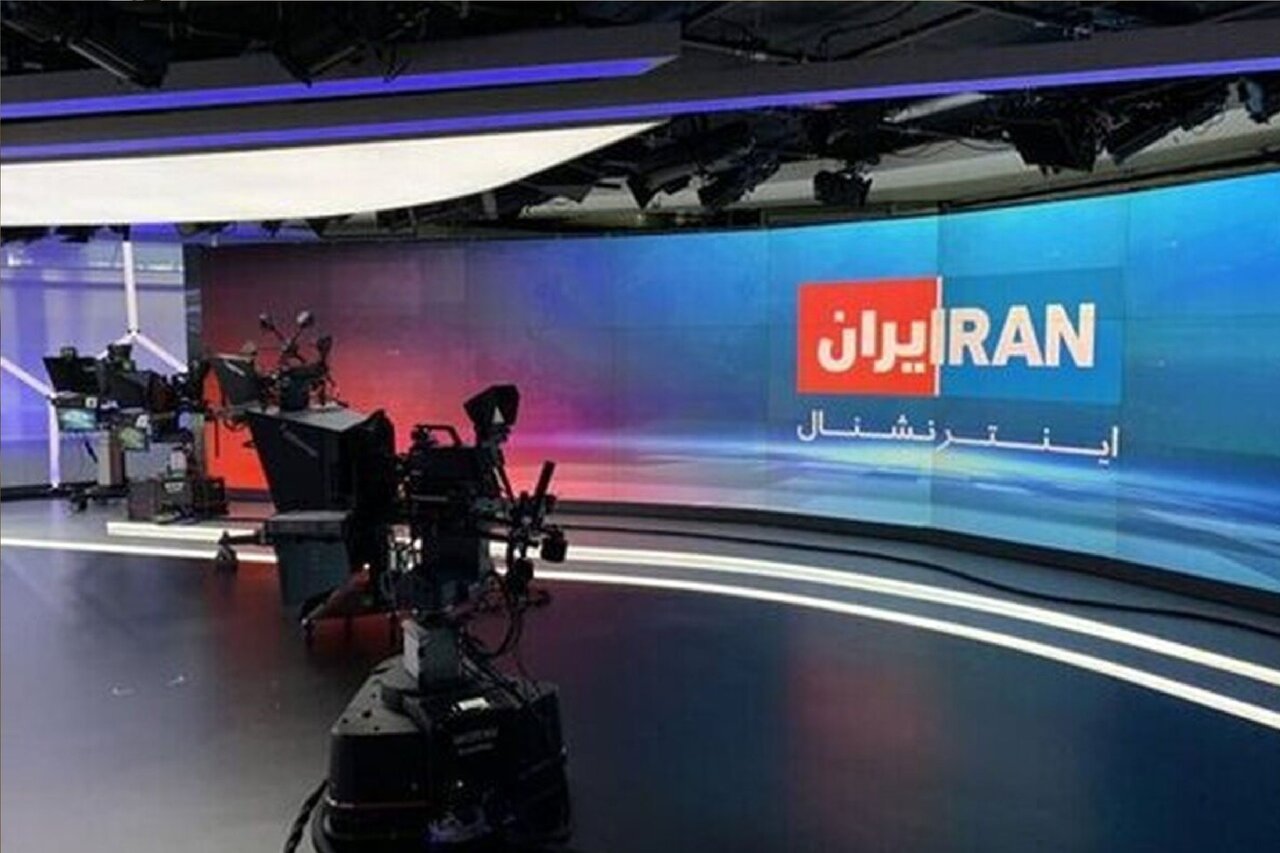
TEHRAN – Iran’s Ministry of Information has released photos of the building where the UK-based anti-Iranian television network Iran International is housed, as well as the homes of staff of media outlets designated as terrorists and Zionist guests in the occupied territories.
Based on the ministry’s report, a number of individuals working for or collaborating with anti-Iran TV networks were identified and images of their residences and public information about them were released.
Names mentioned in the report include Babak Esshaki, a reporter and journalist with ties to terrorist organizations; Mir Javdanfar, Iran and Israel analyst based in Tel Aviv. Menshe Amir, a Farsi-speaking commentator introduced by the Mossad to oppose Iran, and Kamal Pahashi, a Farsi-speaking spokesperson for the Israeli military.
Iran has designated Iran International, which acts as a platform for separatist and terrorist movements, as a terrorist organization.
A case in point: Iran’s International Bureau gave airtime to terrorists involved in a deadly terrorist attack in the southwestern Iranian city of Ahvaz in 2018 as part of anti-Iranian propaganda. Terrorists from the Mujahideen-e-Khalq (MEK) organization, which has killed at least 18,000 Iranians over the past 40 years, also appear regularly.
During the 2022 protests that escalated into riots in Iran, the media encouraged Iranians to attack security forces, destroy public property, and commit acts of violence. One guest suggested that civilians should approach the security forces, take them hostage, seize their weapons, and use those weapons to kill and capture more security personnel. Organizers regularly praised these recommendations as actions that would help people achieve “freedom.”
Most recently, during Israel’s 12-day war of aggression against the Iranian people, Iran International once again positioned itself as a media ally of the Israeli regime, provoking widespread condemnation from politicians, cultural figures, and artists across Iran.
Many analysts argue that the Israeli regime launched a hybrid war against Iran during this period, consisting of intelligence, military, and media warfare. In this multi-pronged campaign, Iran International served as a key cog in the Zionist regime’s propaganda machine, targeting public opinion through media warfare.
Iran International targeted the minds of the Iranian people using various psychological warfare tactics to complement Israel’s military plans against the Islamic Republic of Iran and its people.
In order to advance its objectives, hide its vulnerabilities and avoid the blows it received during Operation Truth Promise 3, the Israeli regime sought to initiate a new phase, one aimed at inflicting cognitive and psychological damage on the Iranian people.
Just as the Israeli regime hired Farsi-speaking military spokespeople, it clearly recognized the strategic value of Farsi-language satellite channels in influencing Iranian public opinion and stirring up chaos in Iranian society.
Iranian international organizations played a key role in justifying Israel’s military attacks against the Iranian people by amplifying Tel Aviv’s fabricated justification for the unprovoked, illegal, and brutal invasion.
One of its key strategies has been to sensationalize unsubstantiated claims about Iran’s nuclear program, portraying the country as a so-called “nuclear threat” through repeated reports and news programs.
Another tactic was a deliberate attempt to separate Iran’s war victims from the broader civilian population, thereby portraying attacks on non-combatants as somehow justified due to their alleged ties to state institutions. This story was promoted despite official forensic statistics confirming the identities of at least 935 martyrs, including 38 children and 102 women, some of whom were pregnant.
Nevertheless, this terrorist network disguised as a news organization stubbornly turned a blind eye to the civilian casualties of the Zionist invasion and instead sought to normalize and justify the war imposed on the Iranian state.
The Iranian international organization’s psychological operations were aimed at instilling fear and despair among the Iranian people.
These efforts included exaggerating the scale of enemy attacks, emphasizing Iran’s vulnerability to advanced military equipment, spreading disinformation about shortages of essential goods and food, and inciting people to abandon their jobs or leave their homes.
Such tactics aim to create a sense of fear and despair and can seriously undermine public morale and national resilience during wartime. When people begin to feel that their future is uncertain and their safety is at risk, they are less willing to resist and stand firm.
It also sought to intensify ethnic divisions with the aim of creating flashpoints for internal conflict, widen political and cultural differences within Iranian society to undermine unity in times of national crisis, and highlight fissures that no longer exist.