
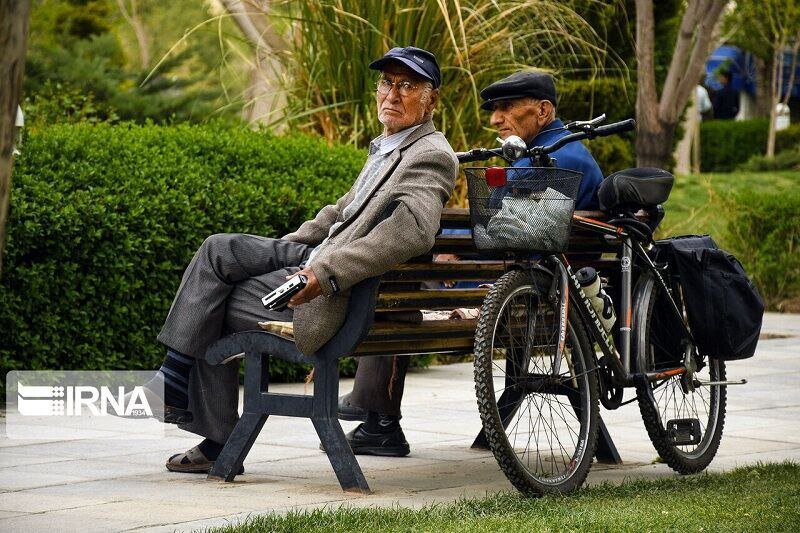
Tehran – So far, 16 cities across the country have taken the necessary steps to develop age-friendly communities, the head of the welfare organisation said.
These cities are located in Tehran, Gilan, Yazd, Isfahan, East Zarbaijan, Western Azarbaijan, Lorestan, Hamestan, Huzestan and Buscher provinces, and the IRNA cited Seyed Javad Hosseini.
Age-friendly communities are places where age is not a barrier to life, but rather the environment, activities and services support them, allowing older people to have the opportunity to enjoy life and feel better.
Emphasizing the fact that the country is aging, the formula has detailed the services offered to seniors.
“Around 6.5 million seniors benefit from the various services offered by the organization. Welfare organizations provide 22 different services to the rehabilitation, social services and empowerment sectors.
In October 2024, Mojang Rezazadeh, executive director of the National Council of Elderly People, said that national documents were in effect to create an age-friendly environment around the country.
“The world population in particular in developing countries is old, and Iran is no exception. The proportion of elderly people in the country has increased from 5% in 1976 to about 10.5%, reaching around 9 million.”
This document is committed to improving the physical and social environment to be a better place for older people.
It is summarized in three parts. We will hold workshops on indicator principles and standard for strategic planning for age-friendly cities, how to prepare strategic documents for age-friendly cities, and planning indicators for age-friendly cities.
In addition to eight major domains, travel and tours for seniors will be added to the plan.
An age-friendly environment has eight major domains: transportation, social participation, civic participation, employment, respect and social inclusion, housing, communication, and information.
Rezazadeh said that states should develop strategic state documents based on the environment and implement programs that involve the cooperation of member institutions in each city and the strong participation of local governments and governor general offices.
mt/mg