
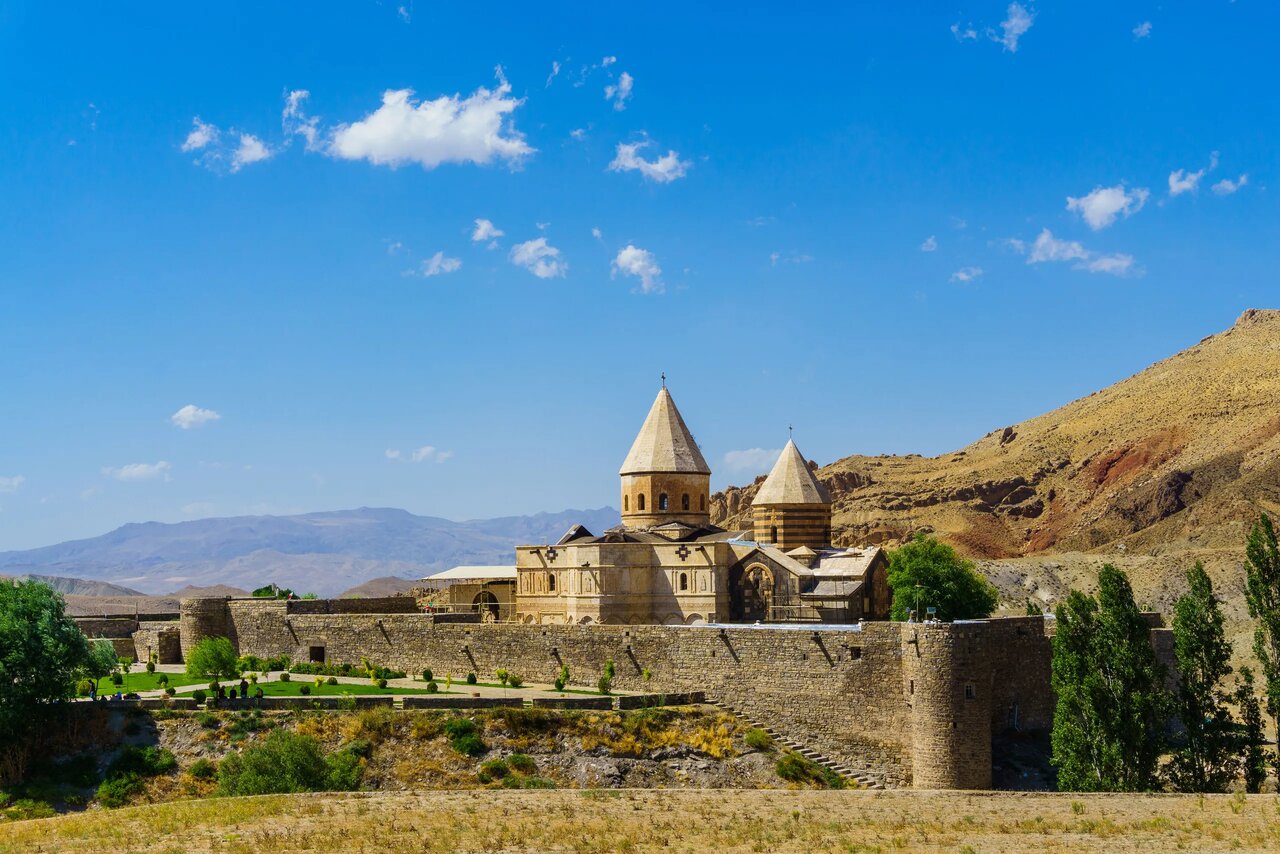
Tehran – Nearly three-quarters of the world’s cultural and natural heritage are under threat either because of drought or floods, according to a report released Tuesday by the United Nations Education, Scientific and Cultural Organization (UNESCO).
Increased global temperatures have intensified extreme weather events such as hurricanes, droughts, floods and heat waves, scientists warn, stating that evidence of the impact of climate change is growing.
According to the study, 73% of the 1,172 non-marine sites engraved on UNESCO’s World Heritage List are at least one serious water-related risk. These include water stress, drought, river flooding, or coastal flooding.
“We expect water stress to worsen, especially in areas such as the Middle East and North Africa, parts of South Asia, and northern China, which poses a long-term threat to ecosystems, cultural heritage, and the communities and tourism economies that depend on them,” the report said.
Findings show that cultural heritage sites are most commonly affected by water shortages, but more than half of natural heritage are vulnerable to river flooding.
One notable example is Taj Mahal in Agra, India, which is facing an increase in water shortages, according to the report. This situation leads to pollution and a significant drop in groundwater levels, both damaging the symbolic spirit US.
The UNESCO report highlights the urgent need for adaptation strategies to protect global heritage to accelerate climate-related threats.
morning