
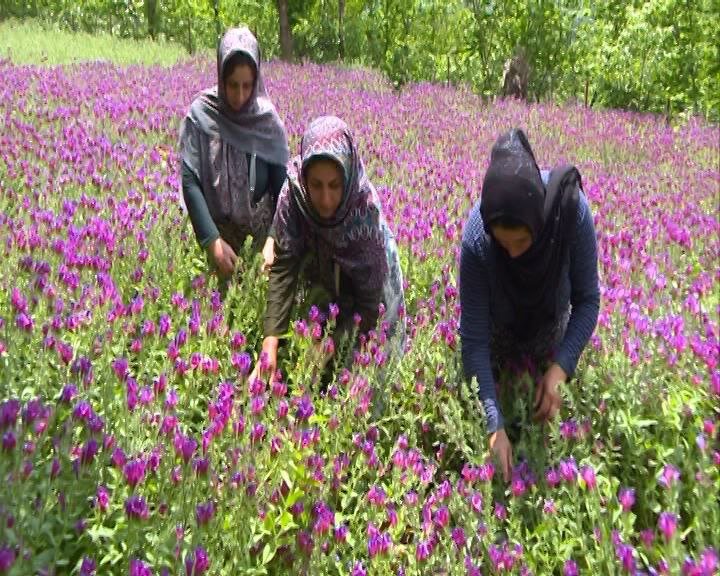
TEHRAN – Head of the Environment Department of the Iranian Parliament Somae Rafiei emphasized on implementing plant diversity conservation projects in the country, paying special attention to endemic and native plant species.
The Zagros (forests in the western part of the country) is one of the top 20 biodiversity hotspots in the world and nine of the world’s 11 ecosystems have been identified in the country, which is why Iran has a rich flora and fauna diversity, ISNA quoted Rafiei as saying on Tuesday.
She added that the country is home to more than 8,500 plant species, most of which are found in the Zagros, but only 5,000 plant species are known in Europe.
The official emphasized the importance of developing gene banks and genome maps for domestic plant genetic resources, especially those that are disappearing, and called for support for plant research projects.
He also emphasized prioritizing endemic and native species, with a focus on species with medicinal value, drought tolerance and those that play an important role in ensuring food security.
Protect plants and save lives
Plants are unique living things. They can produce sugars solely from sunlight, carbon dioxide, and water. This ability to synthesize their own food directly allows plants to colonize, adapt to, and diversify into nearly every niche on Earth, and biologists estimate the total number of plant species to be approximately 250,000.
These abilities make plants major producers of biomass, providing food, medicine, and pleasing landscapes for animals and humans.
Plants are not just a backdrop to human and animal life, they are central to the health of the planet as a whole. They contribute to mitigating climate change. Plants, especially forests, grasslands, and peatlands, act as carbon sinks. Forests absorb around 2.6 billion tonnes of carbon dioxide annually, helping to fight climate change and improve air quality. Maintaining plant health is critical to mitigating and adapting to climate threats.
Plants help ensure clean water. More than 80% of wastewater is discharged into the environment untreated. Healthy vegetation acts as a natural filter, improving water quality, reducing pollution, and reducing the risk of waterborne diseases.
Plants regulate Earth’s vital environmental systems by stabilizing soil, filtering air and water, regulating the water cycle, and supporting biodiversity. They prevent soil erosion, protect beneficial insects such as bees and microorganisms, and reduce the use of chemicals. Biodiversity loss reduces ecosystem resilience, making both the environment and human societies more vulnerable to climate extremes, pests, and disease outbreaks.
They support livelihoods, fuel economies and support global trade. Investing in plant health can help strengthen rural economies and make them more resilient to economic shocks.
Plants are important to the survival of humans and animals, but because they have been neglected in recent decades, many are at risk of extinction.
Iran’s plant diversity is unique among Western Asia, making Iran second only to Turkey. In addition to native plants, the country also has several other species known as endemics, but they are much more limited than native species. Approximately 1,800 plant species are endemic. These species are only found in certain geographical areas.
The production of medicines from plants in this country dates back to 1980. More than 300 medicines are manufactured from 1,200 medicinal plants in the country.
Approximately 4,400 natural products and over 2,000 traditional products are supplied to the market by domestic companies.
The per capita consumption of medicinal plants in Iran is approximately 1 kg of dried plants. In other words, the country consumes 83,000 tons of medicinal plants worth 1.2 trillion rials (about $4 million), compared to 900 grams in Europe and 2.5 kilograms in the United States.
However, indiscriminate harvesting of plant species and climate change, especially drought, are destroying many of these plants.
Plants exhibit different resilience to drought depending on their species, genetic and physiological structure, and type of geographic region.
The effects of drought on plants include reduced plant resistance to environmental stresses such as pests, high temperatures, and biological competitors.
Certain species can withstand extreme climate and drought conditions and fluctuations, while rare and endemic species (those that are native or endemic to a geographical area) are more sensitive and vulnerable.
The loss of these plants is one of the biggest damages caused by drought.
Drought also creates the potential for exotic and opportunistic species to grow more rapidly, increase diversity, and gradually replace native species.
To reduce the impact of climate change, especially drought, on plant destruction, several measures can be taken to prevent harsh conditions and reduce pressure on plants, such as controlling the exploitation of natural resources and preventing the destruction of ecosystems.
Furthermore, all countries must take comprehensive, decisive and coordinated decisions to reduce greenhouse gas emissions.
Raising public awareness to protect nature is also a very important step to help governments protect nature.
low vegetation
Considering that Iran is one of the least vegetated countries, with only 7% of its total area covered by forests, the need to increase the country’s green space is of great importance.
One of the very important reasons to increase the country’s vegetation is that Iran is the 7th carbon producing country in the world and in terms of carbon absorption, Iran ranks very low.
Due to the importance of increasing per capita green space in Iran, a campaign entitled “Green Iran, Strong Iran” and a national program to plant one billion saplings in four years were launched.
Experts say tree planting is a solution to climate change and there is no need for scientists to come up with technological solutions to take carbon dioxide out of the atmosphere. Available now. It’s as cheap as possible and we can all participate.
MT/MG